NZ Shining Cuckoo | Chalcites lucidus Photo gallery for ageing and sexing
Select each image to view in more detail and close (X) to return to the main page. All images Paul R. Fisher ©
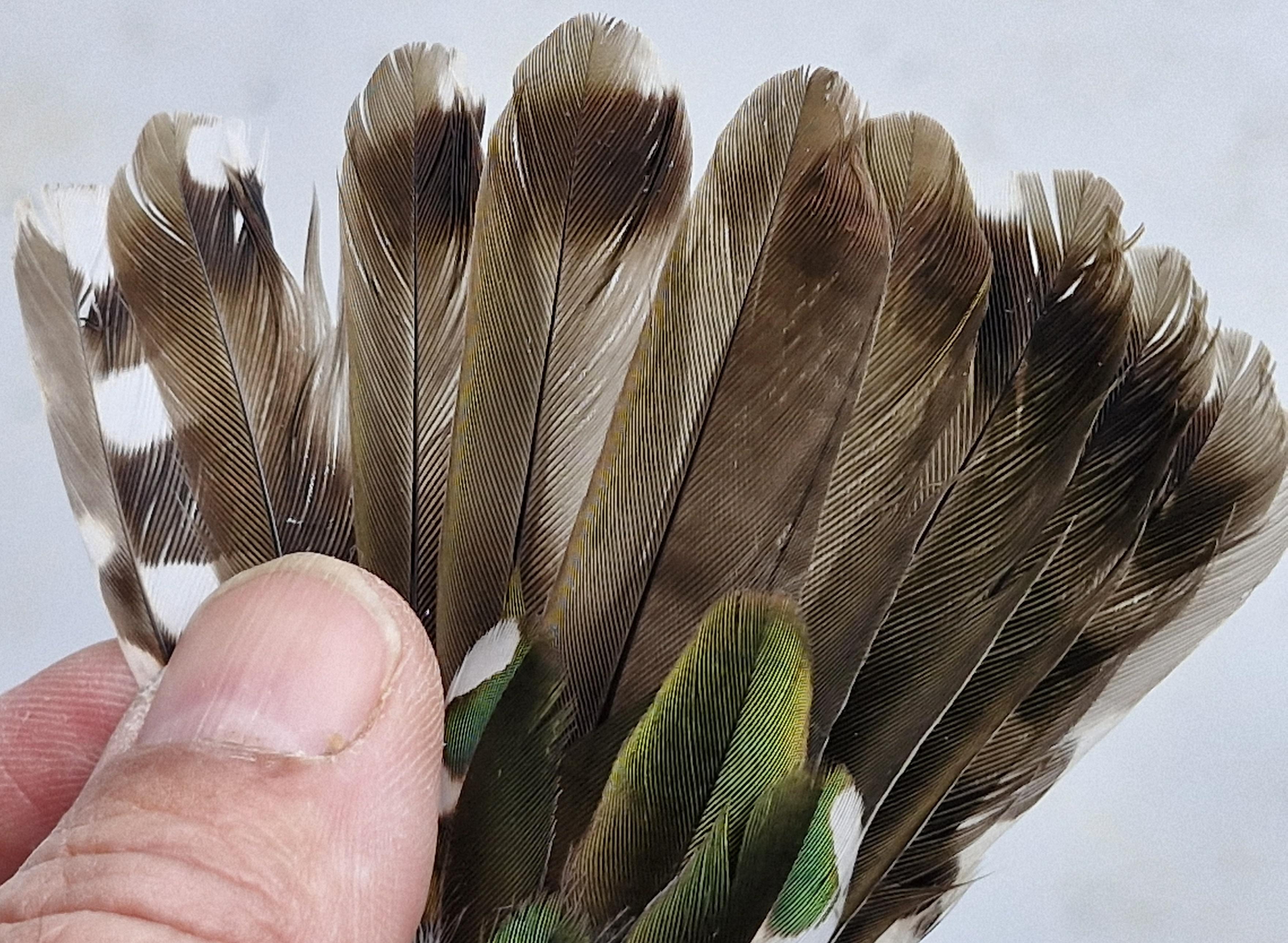
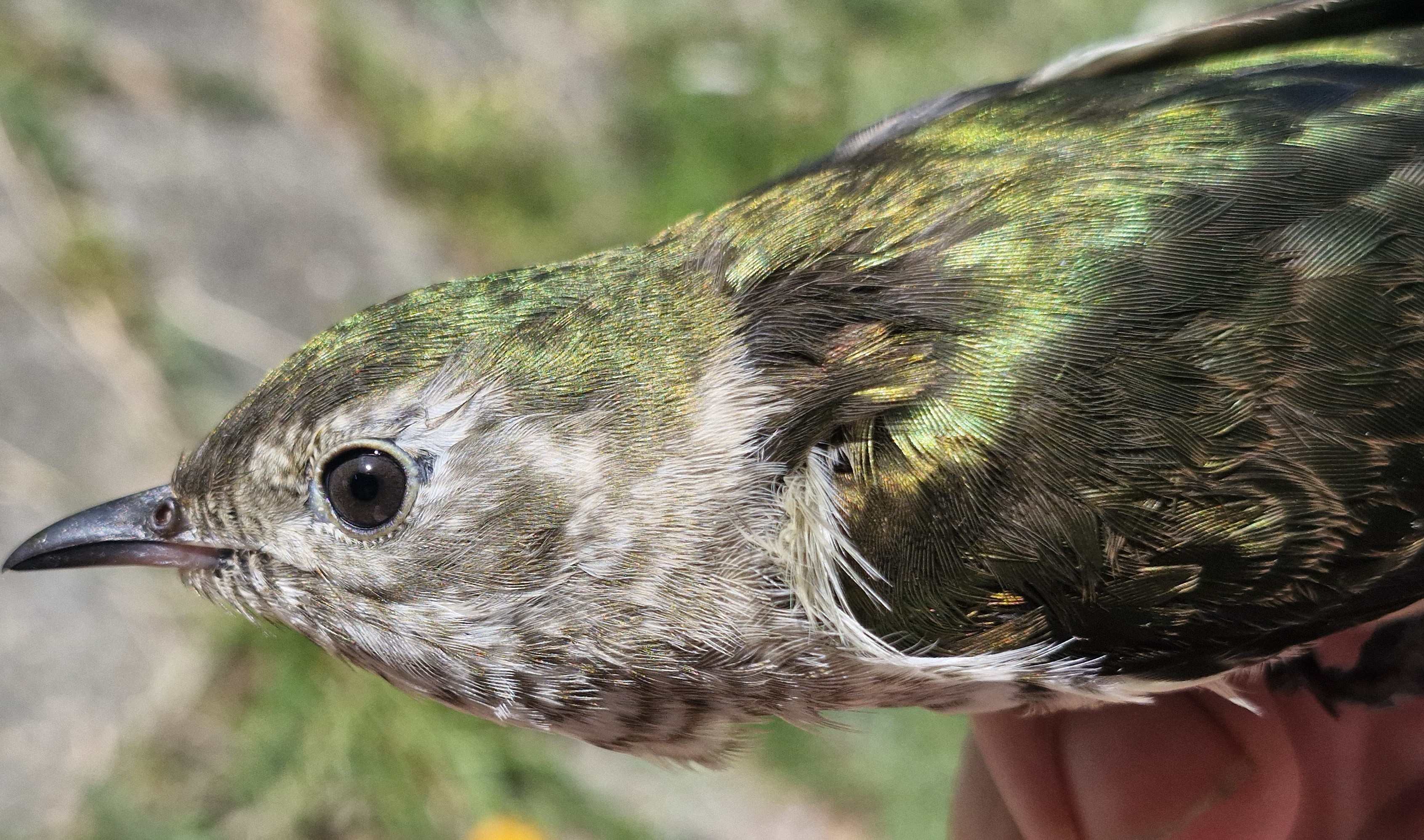
Characters for distinguishing male and female Shining Cuckoos
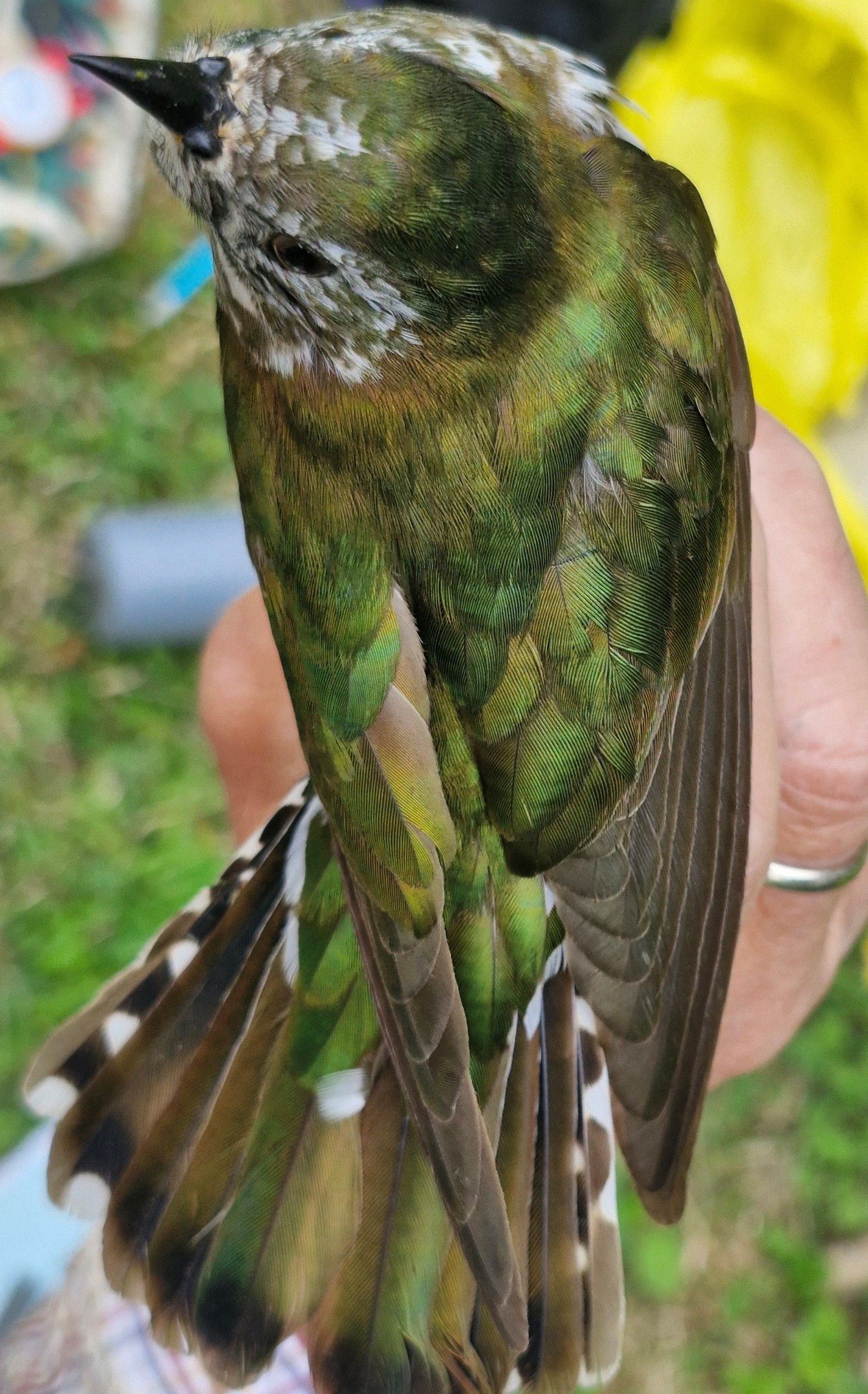
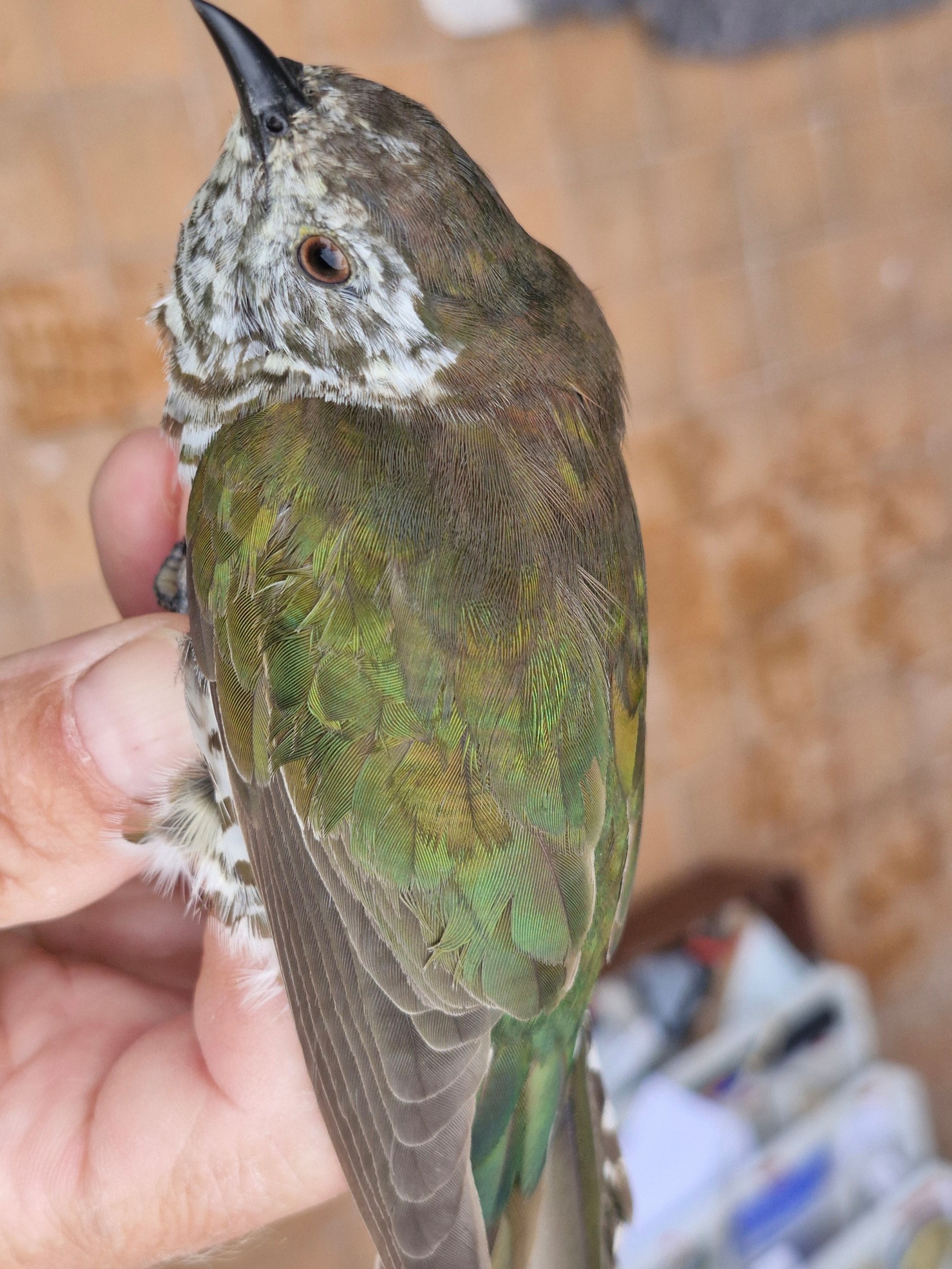
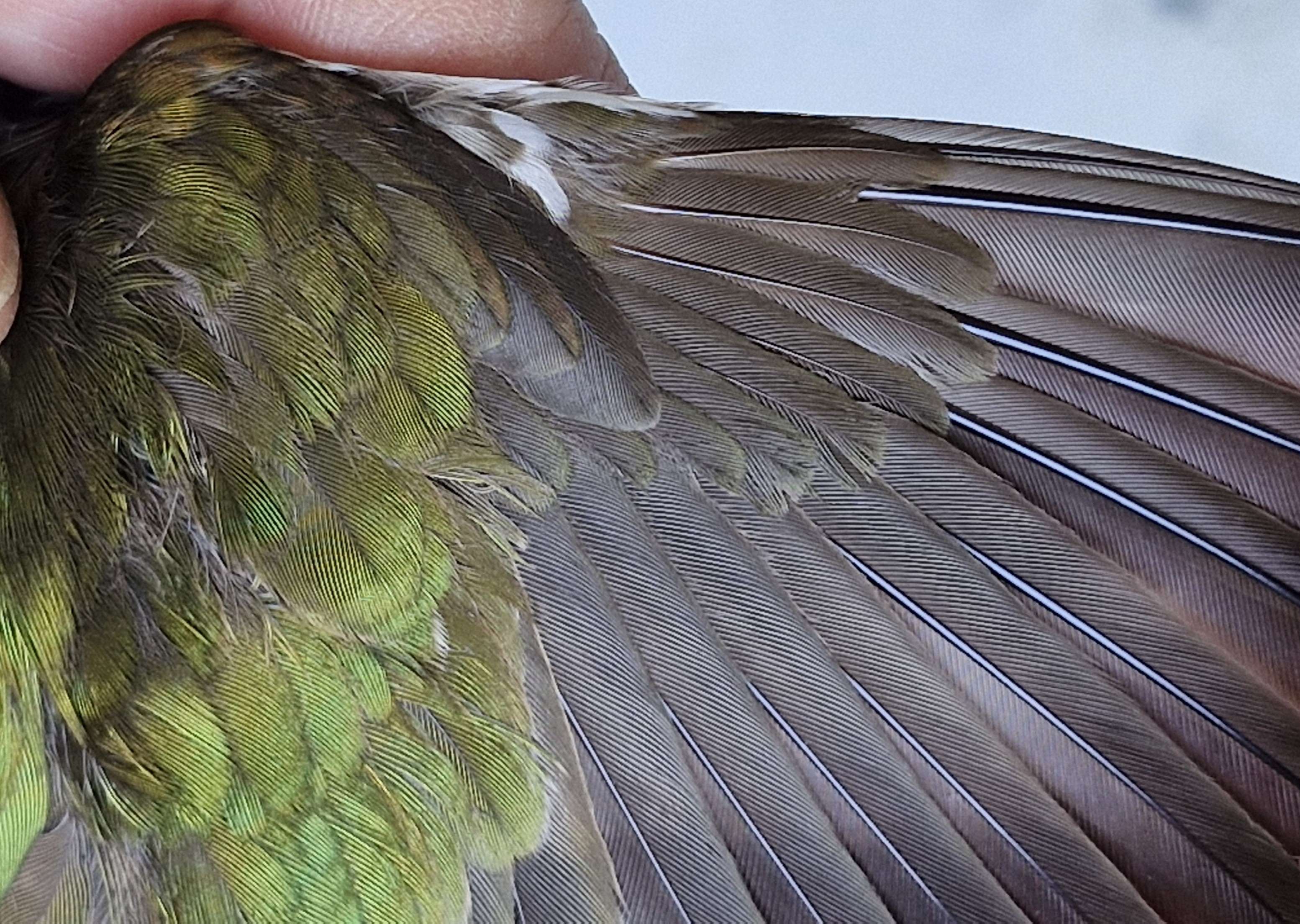
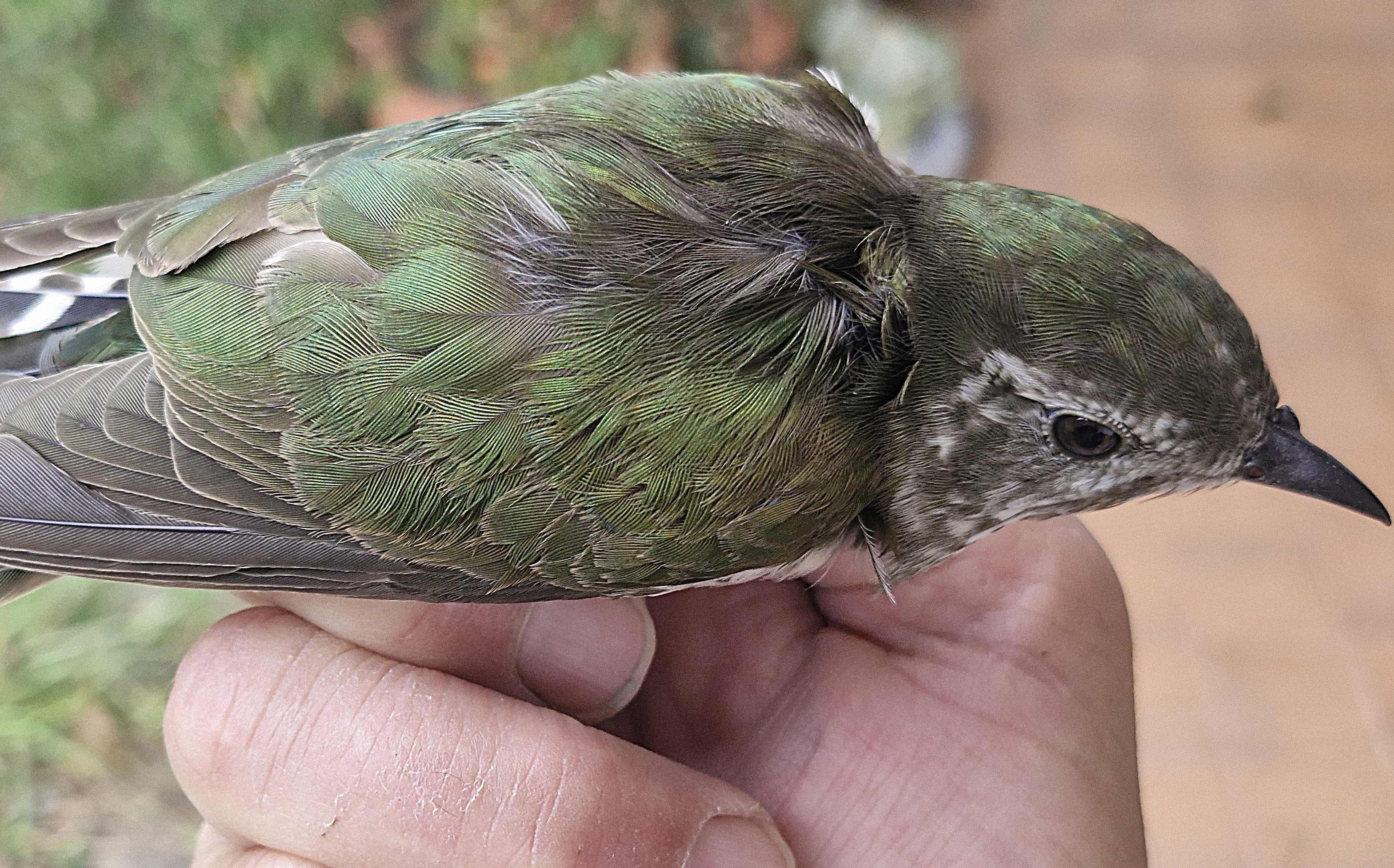
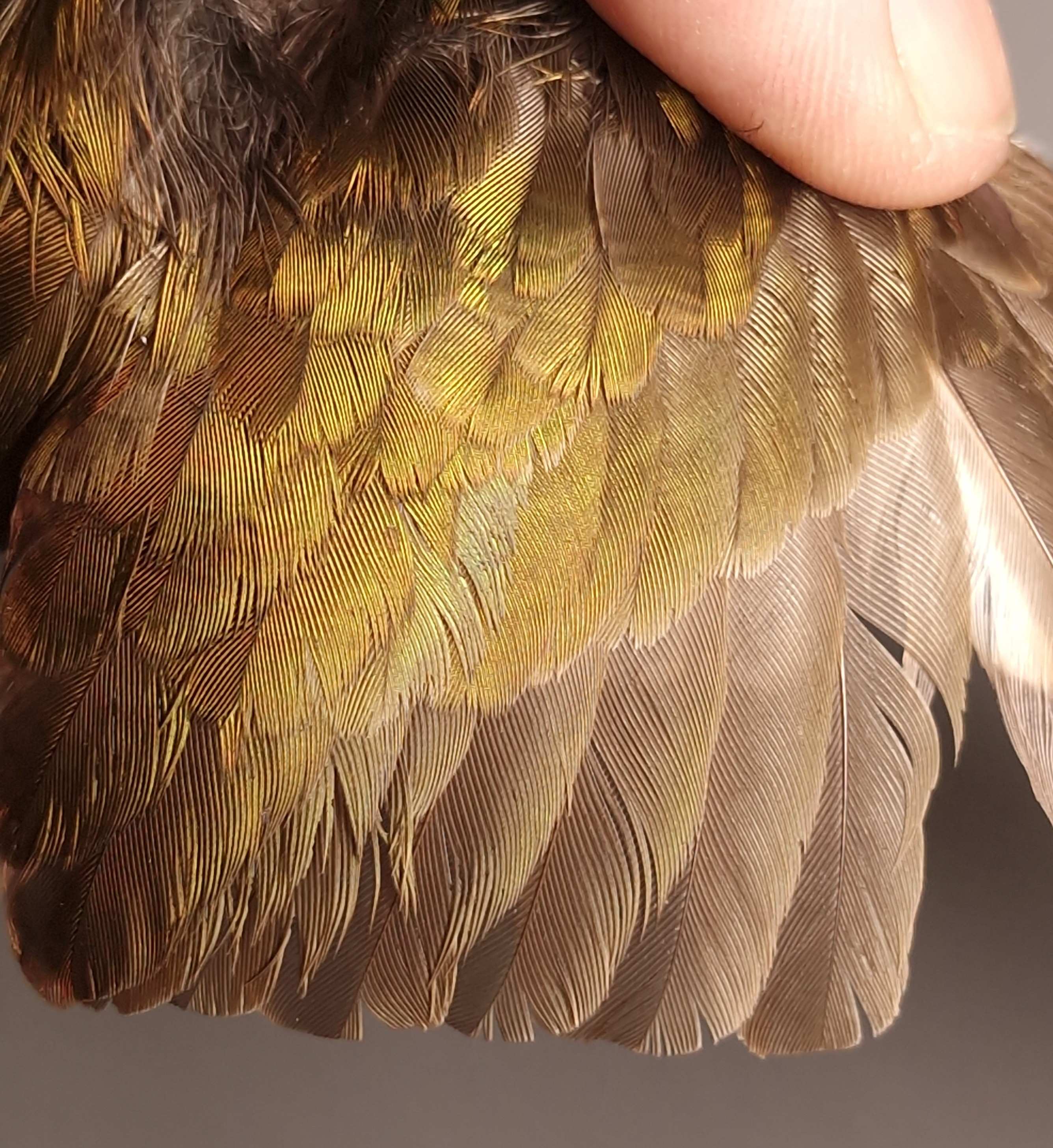
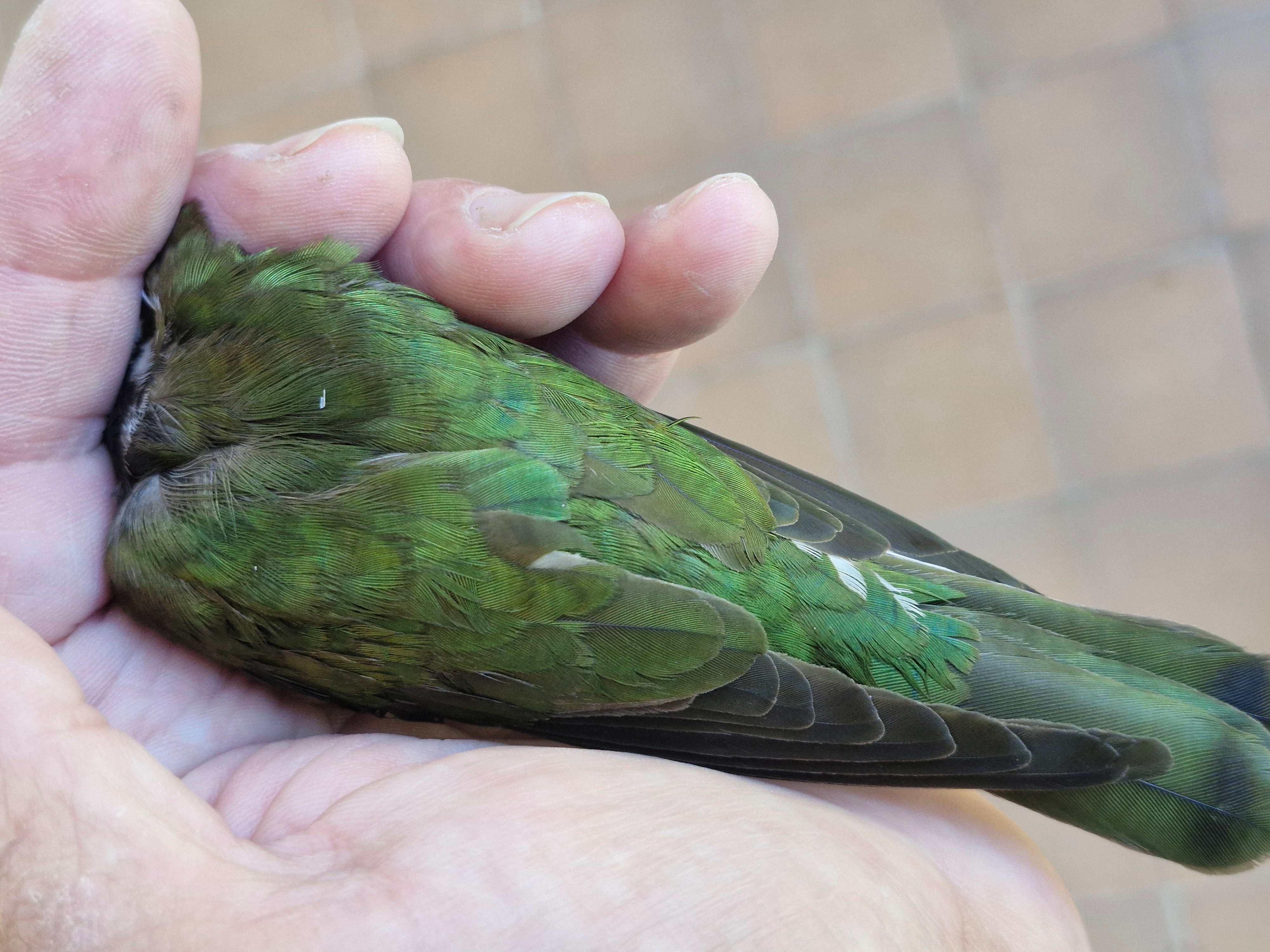
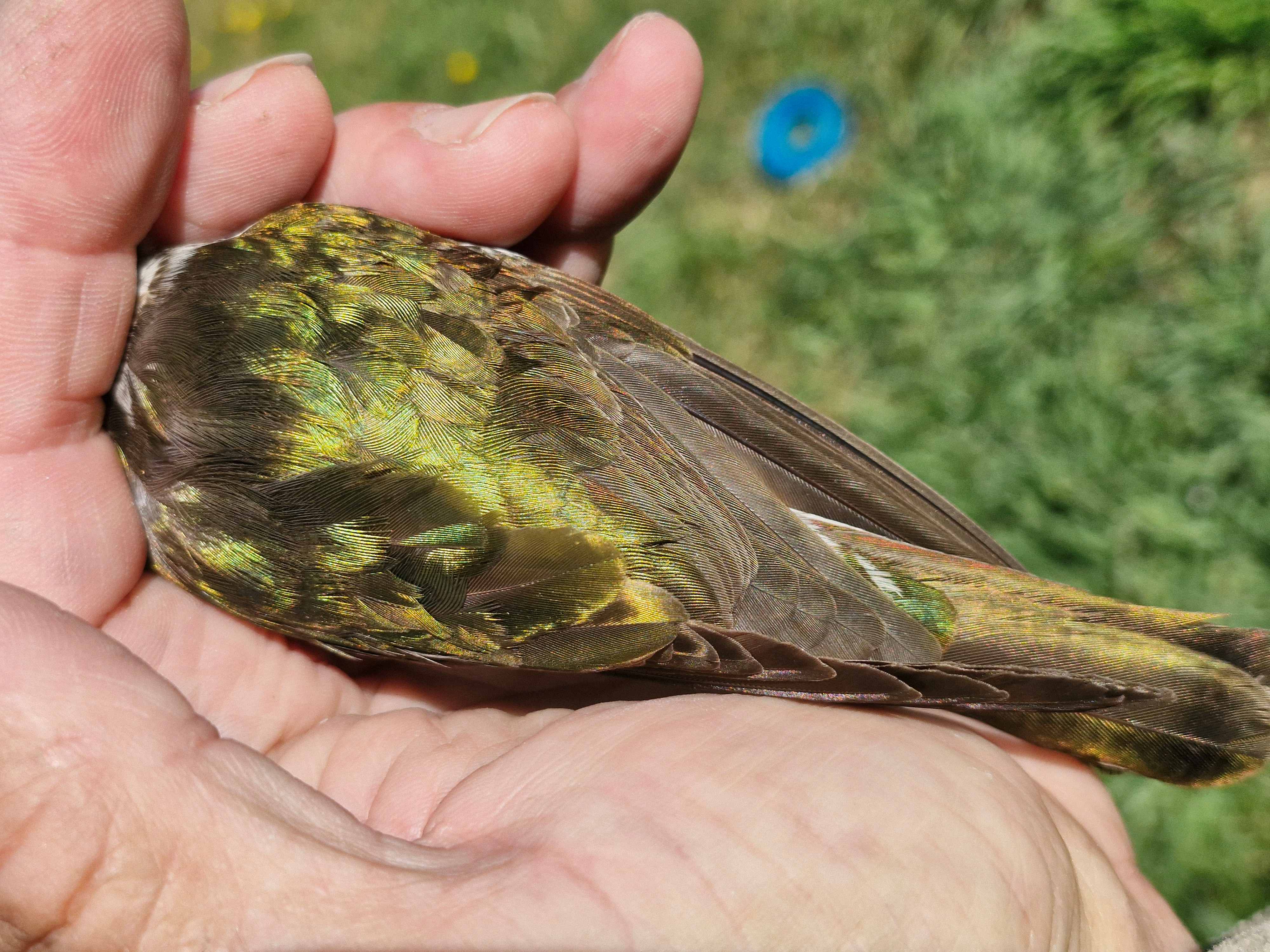
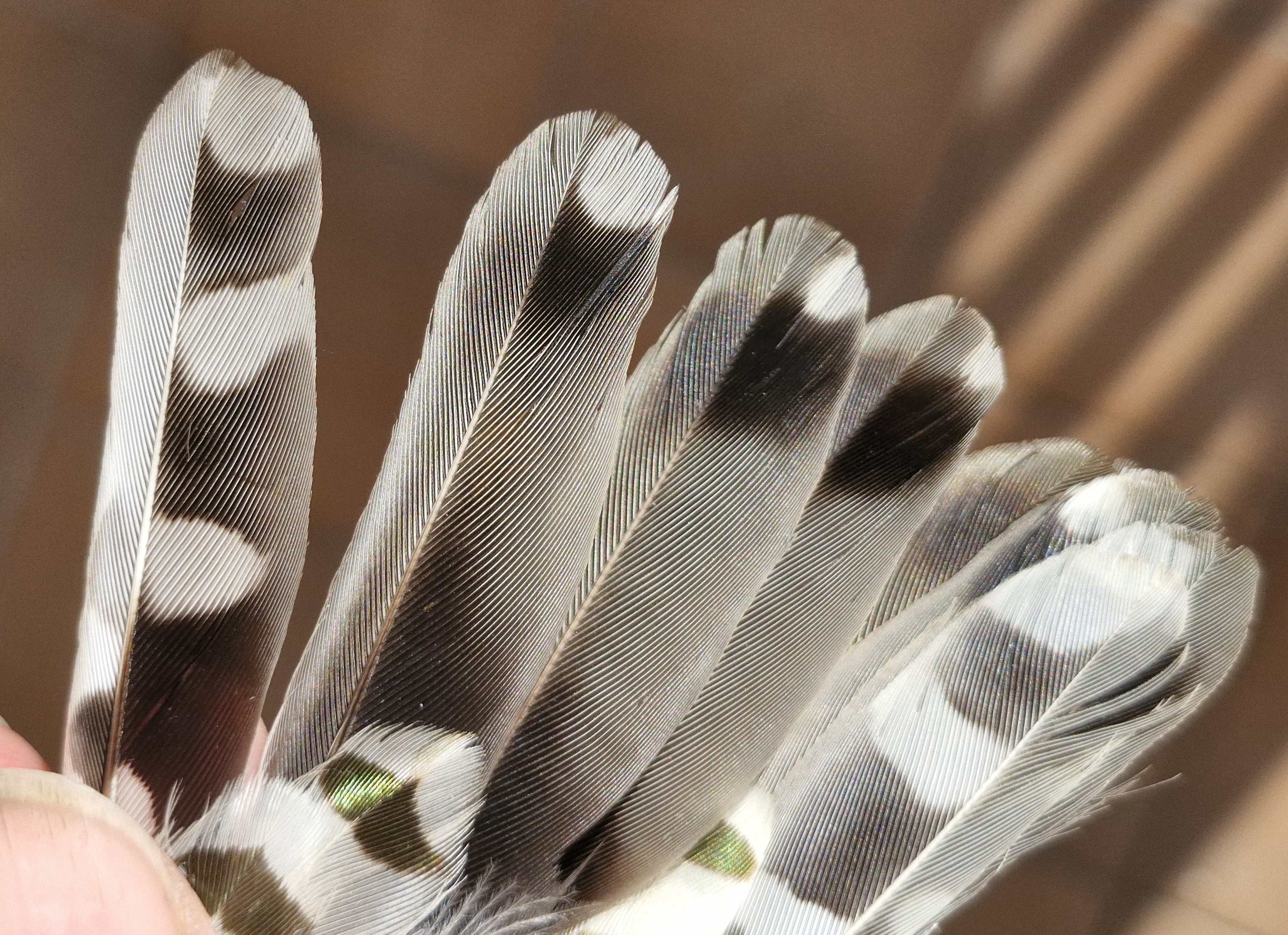
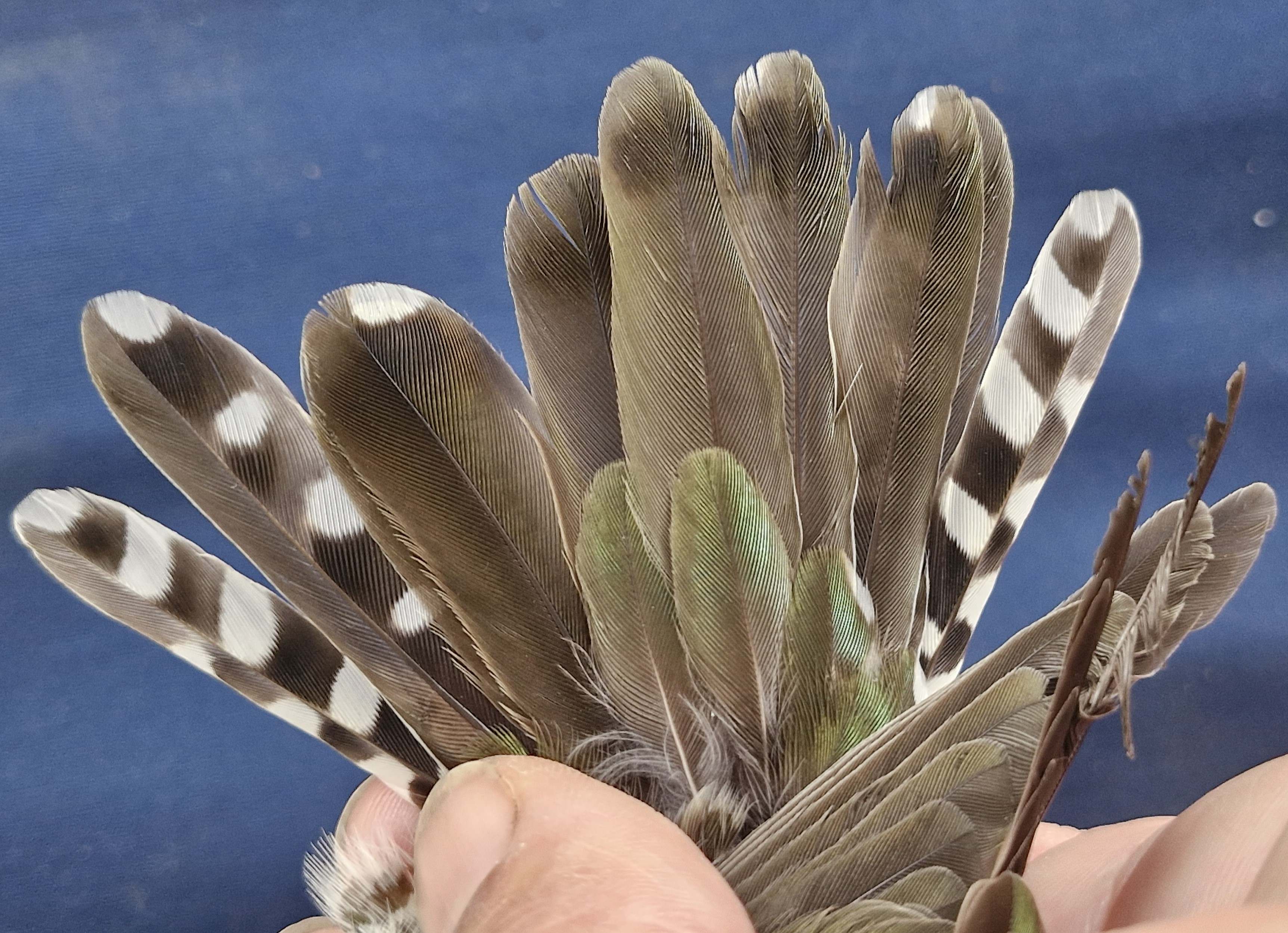
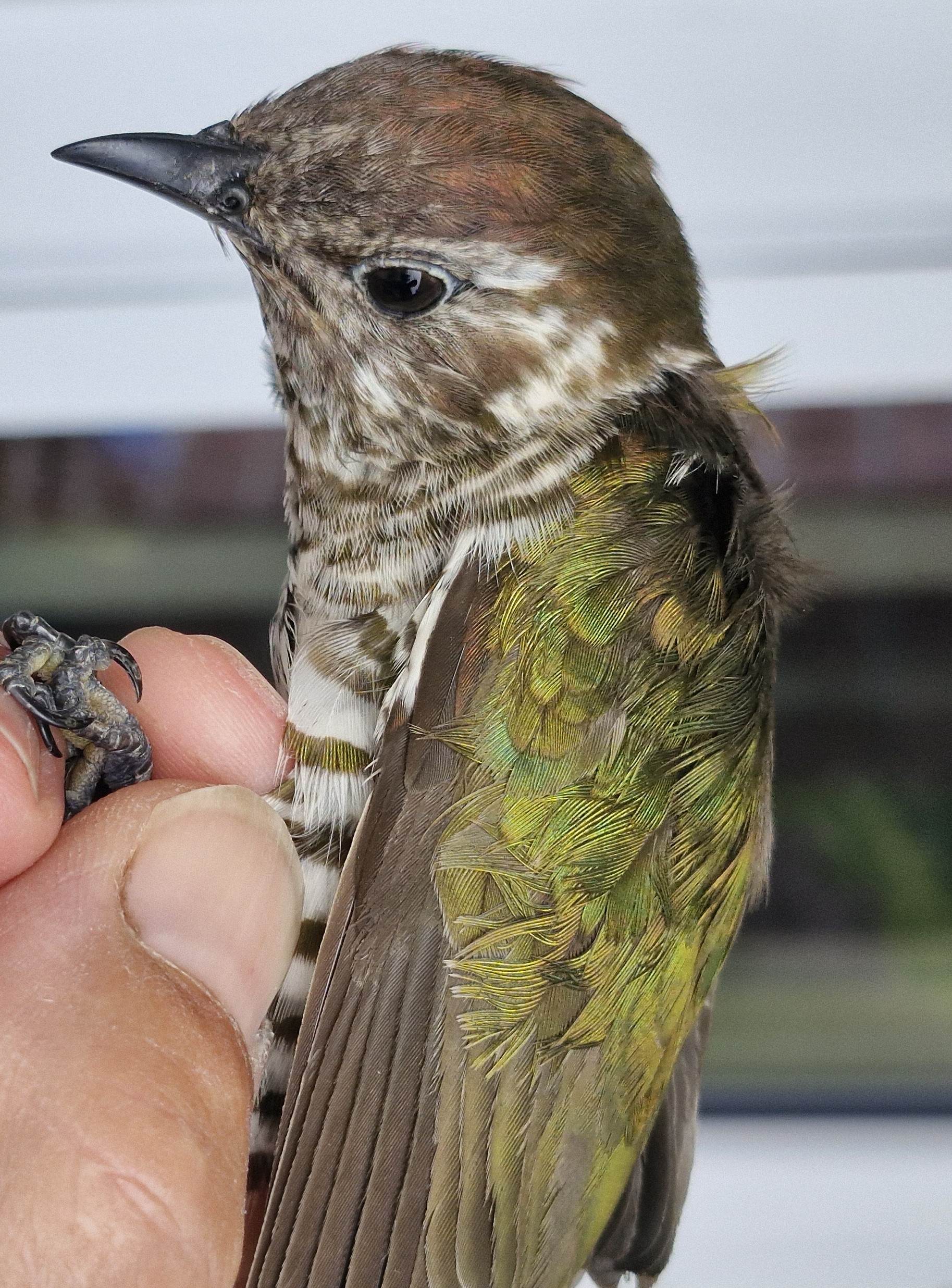
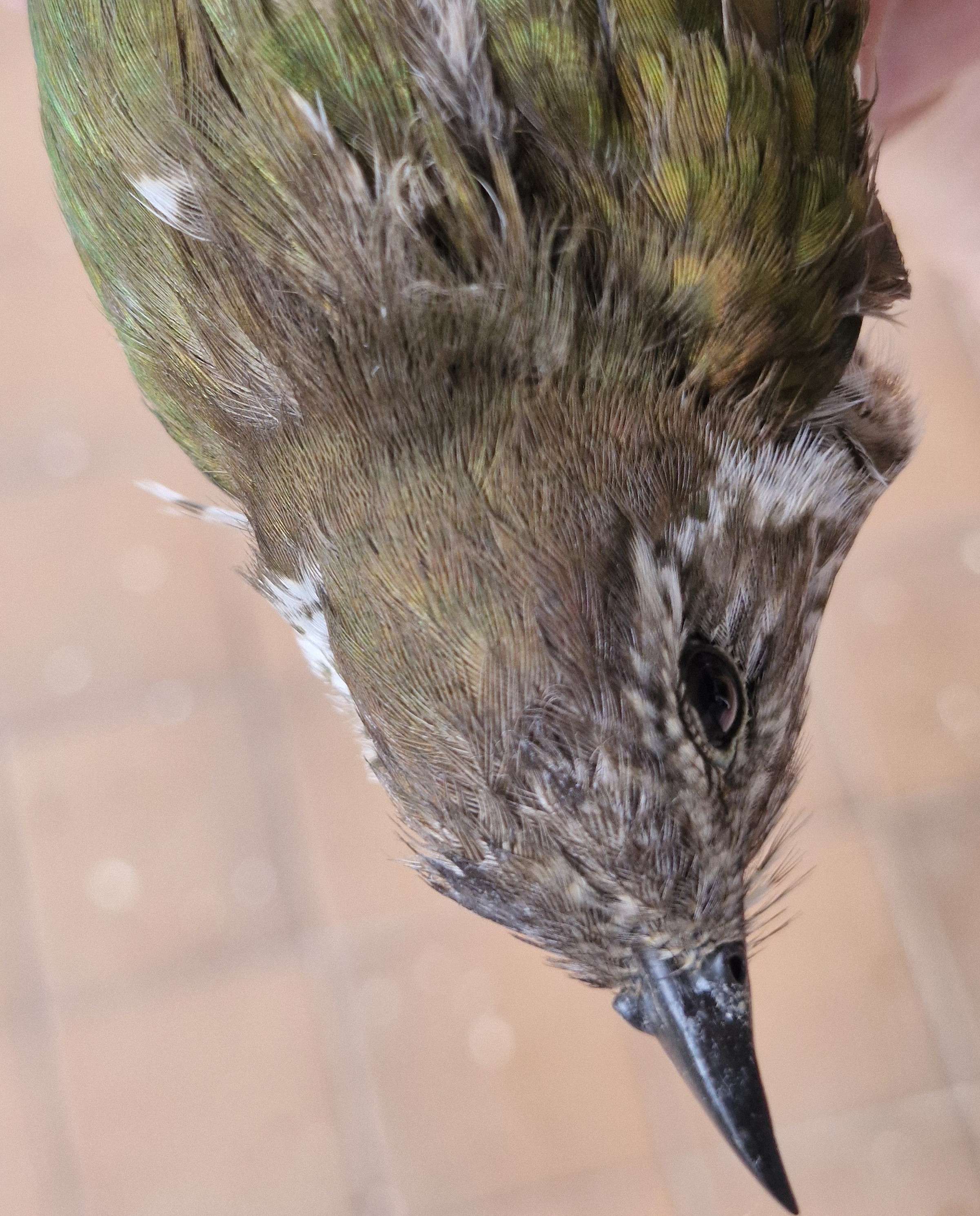
Age 2+ male with extensive green plumage on nape and back
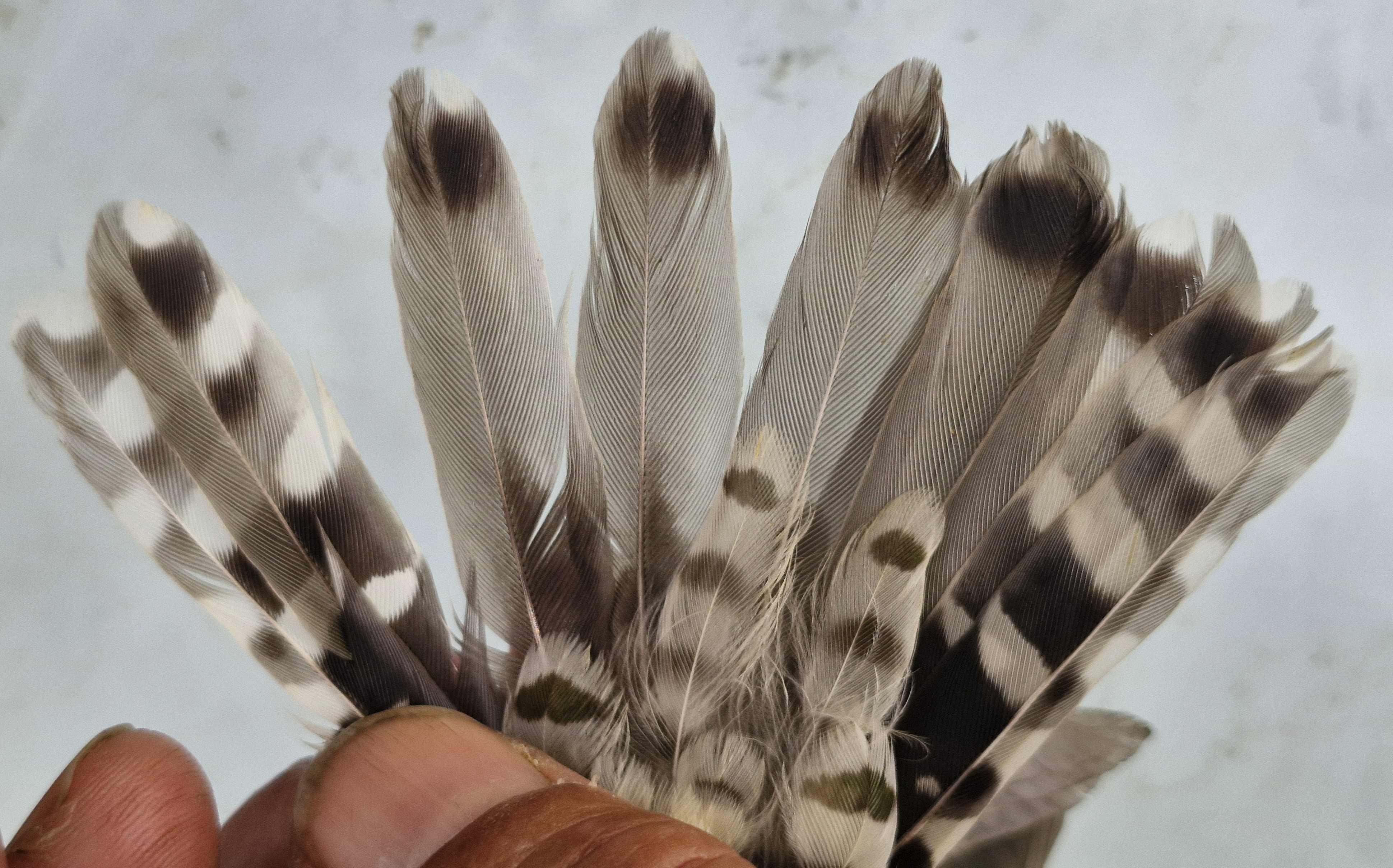
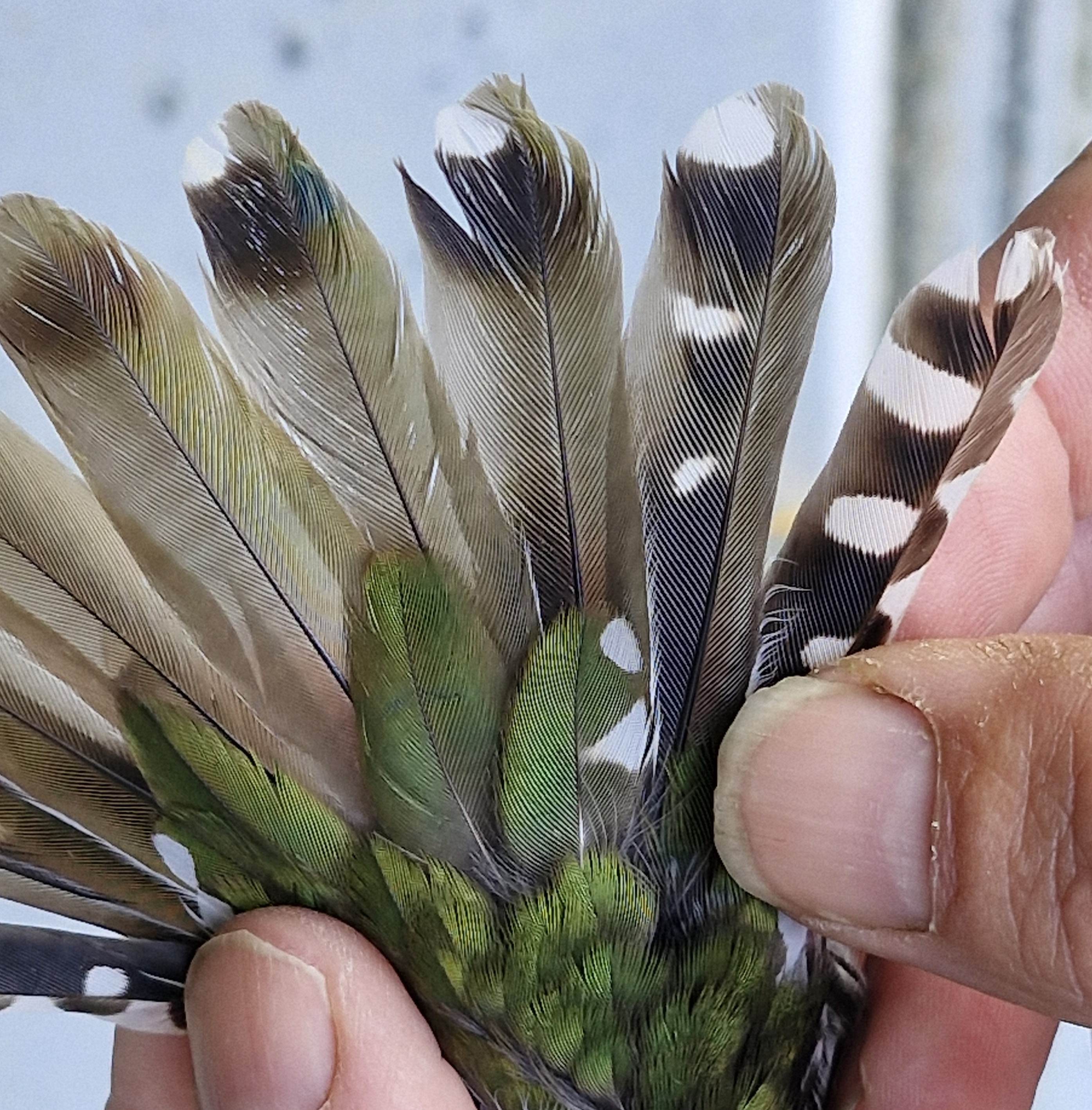
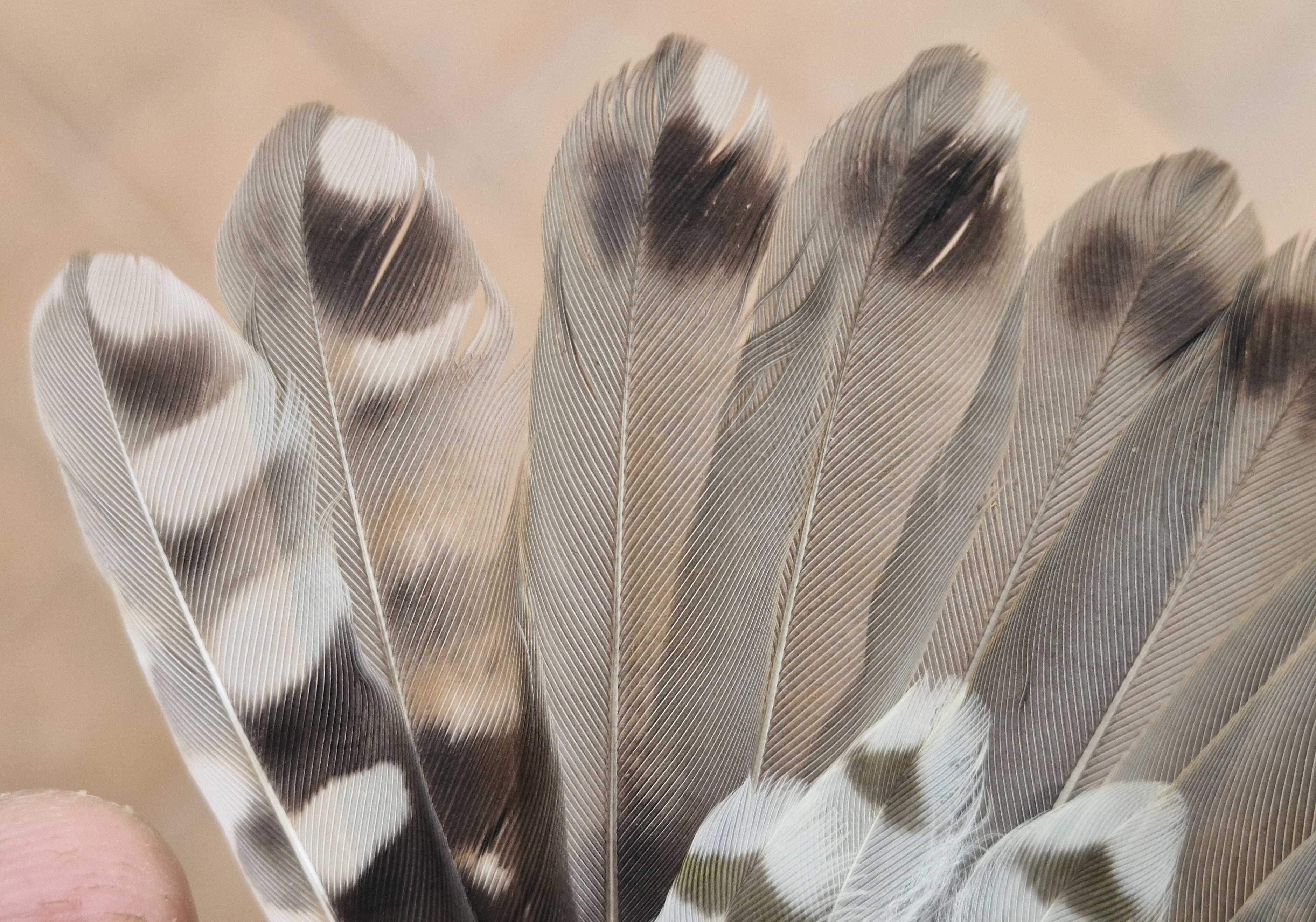
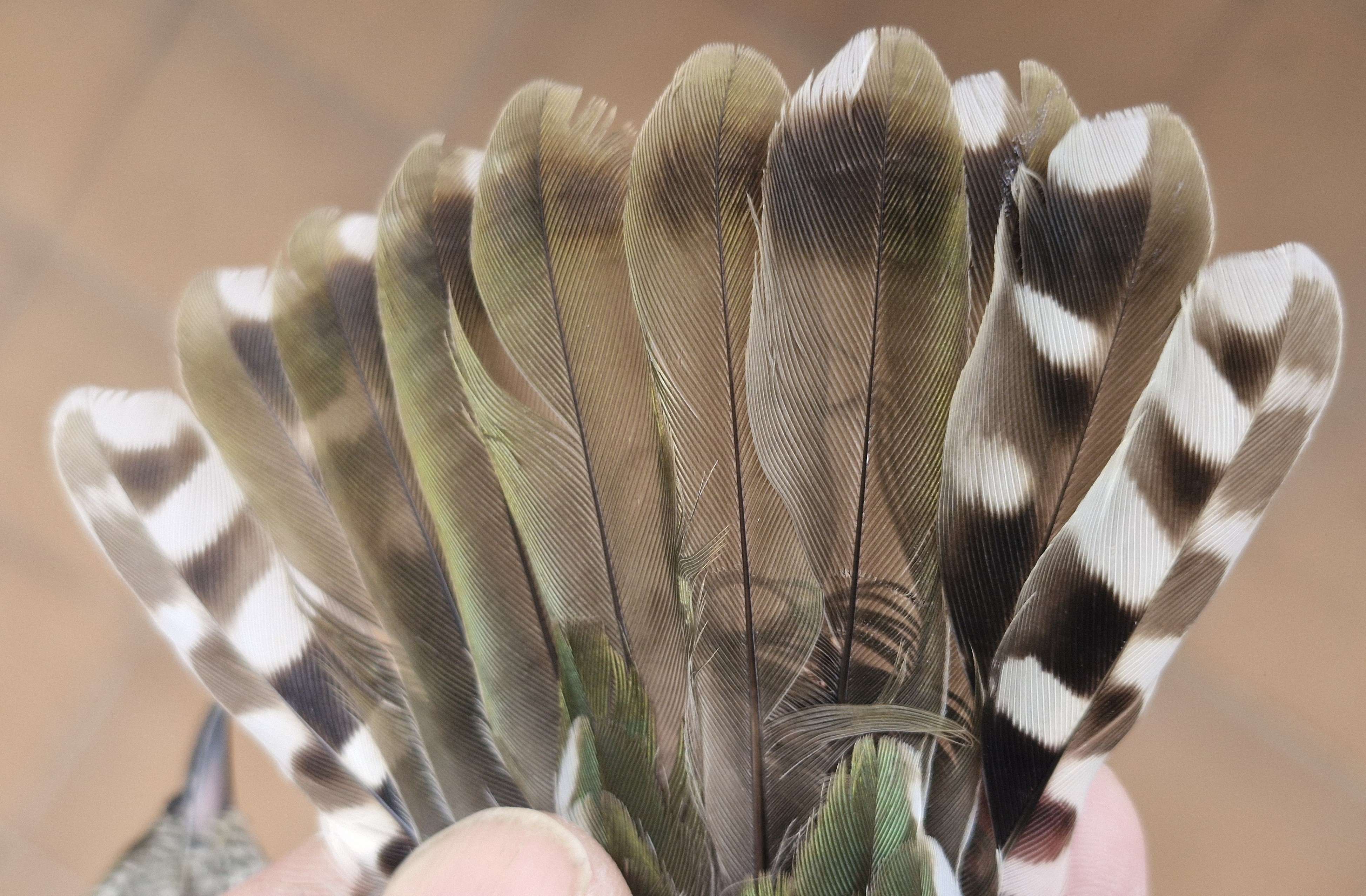
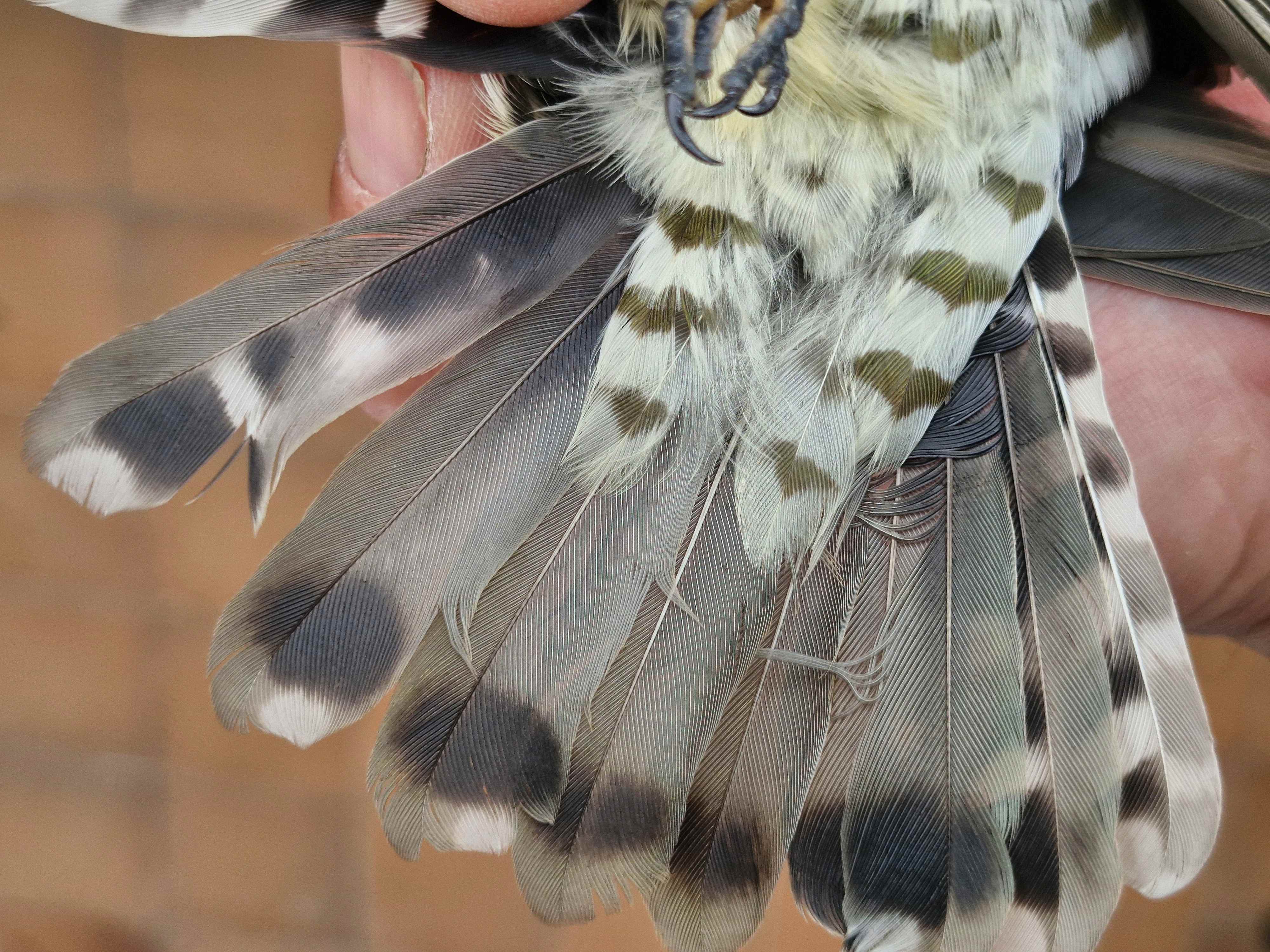
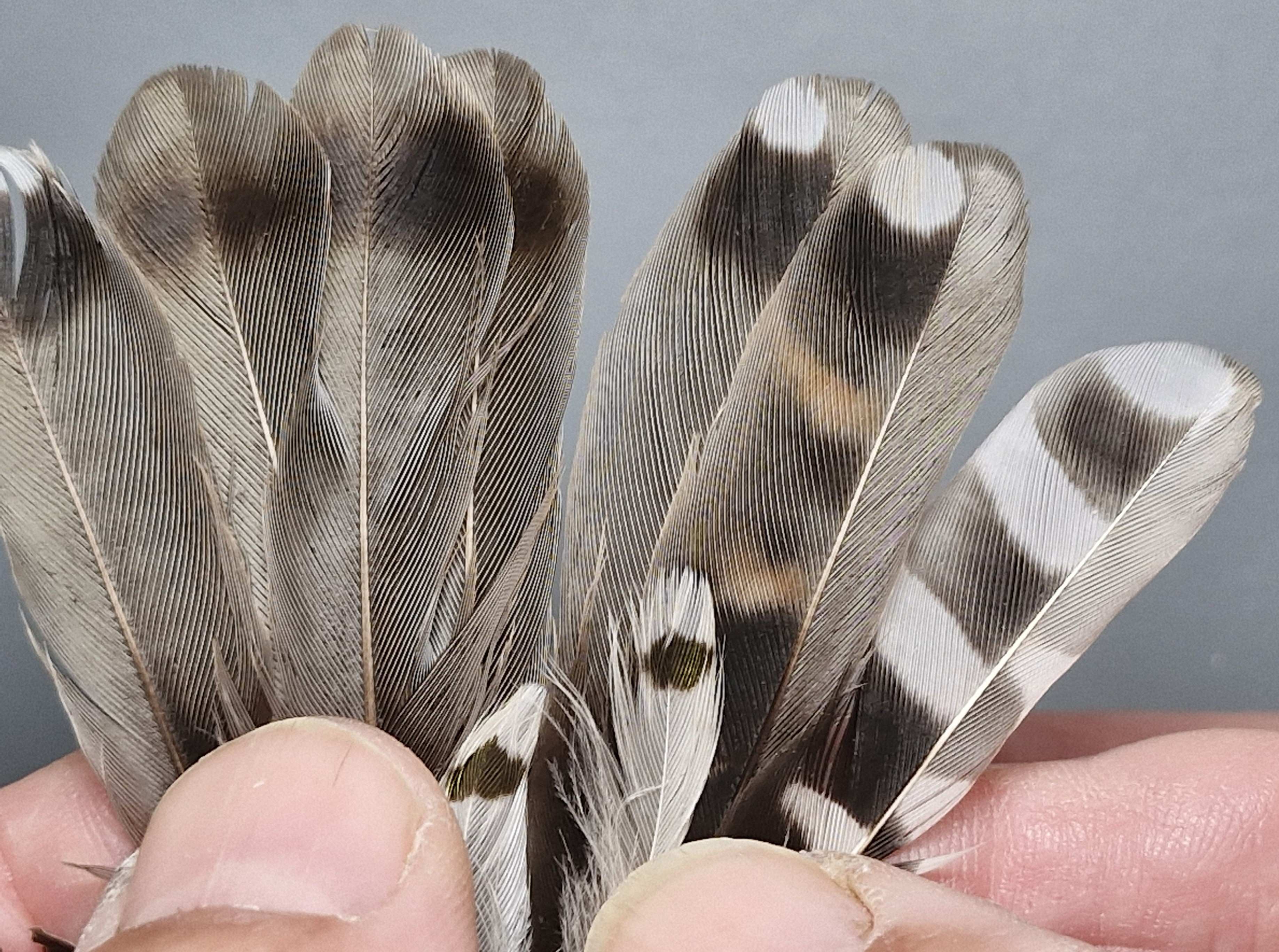
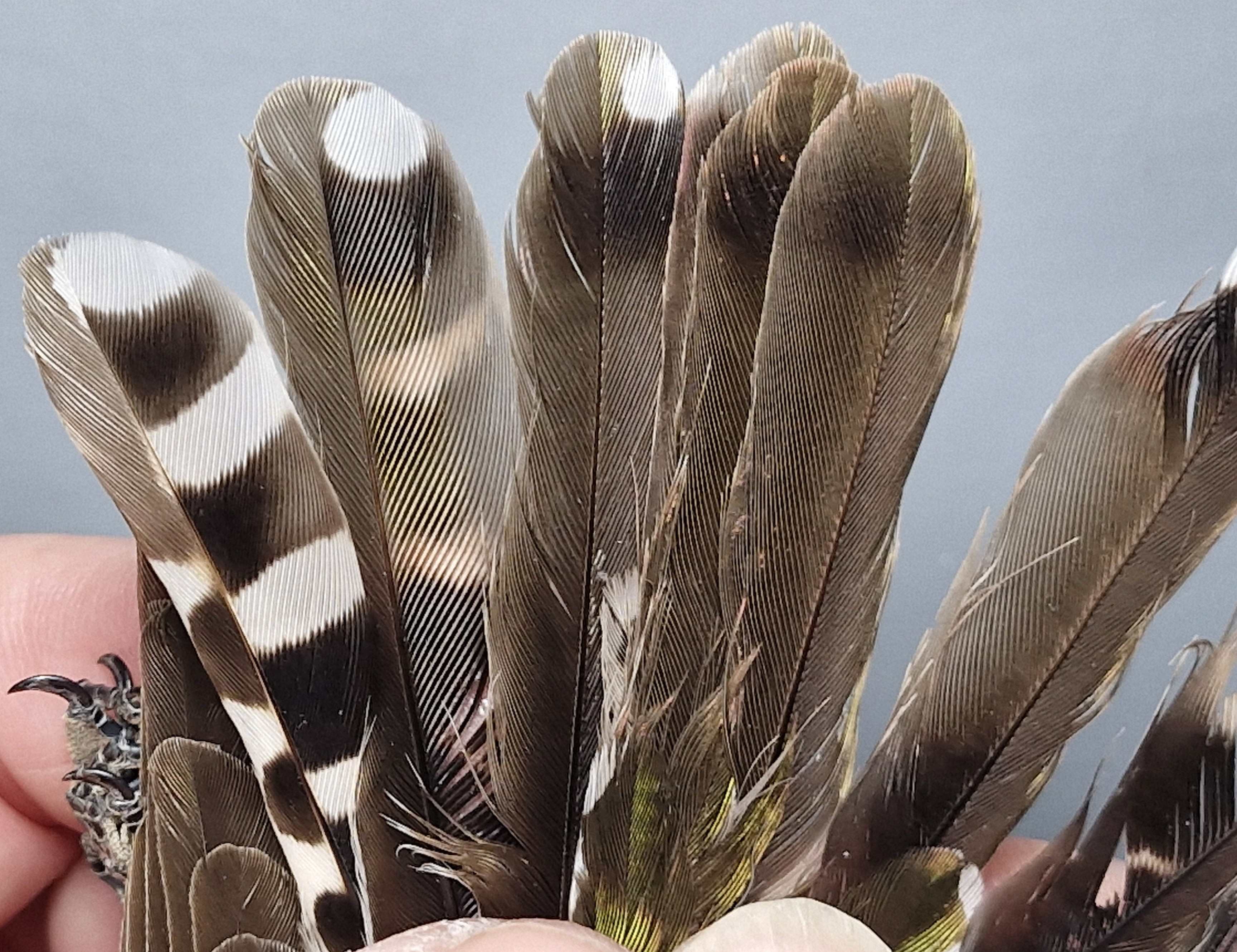
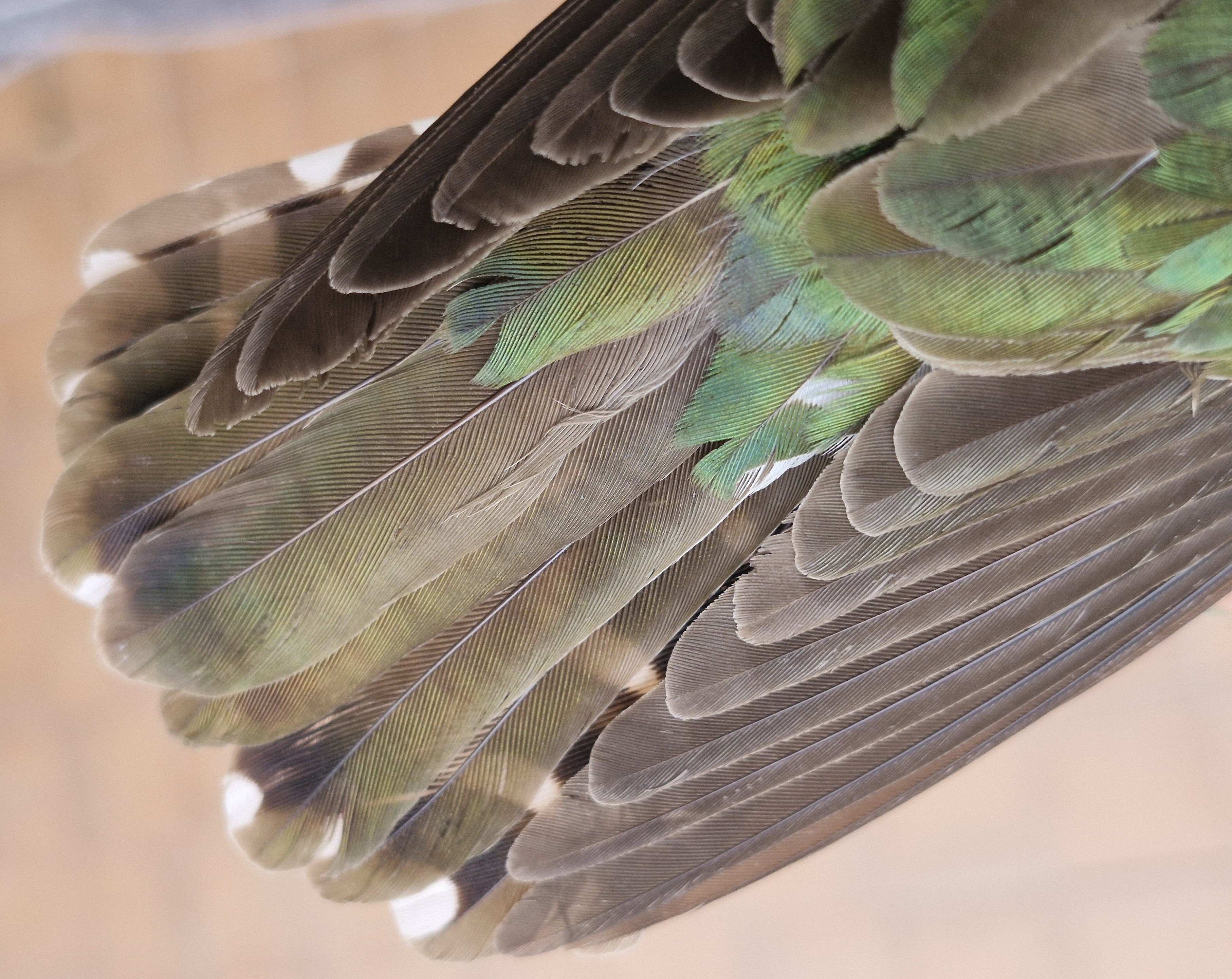
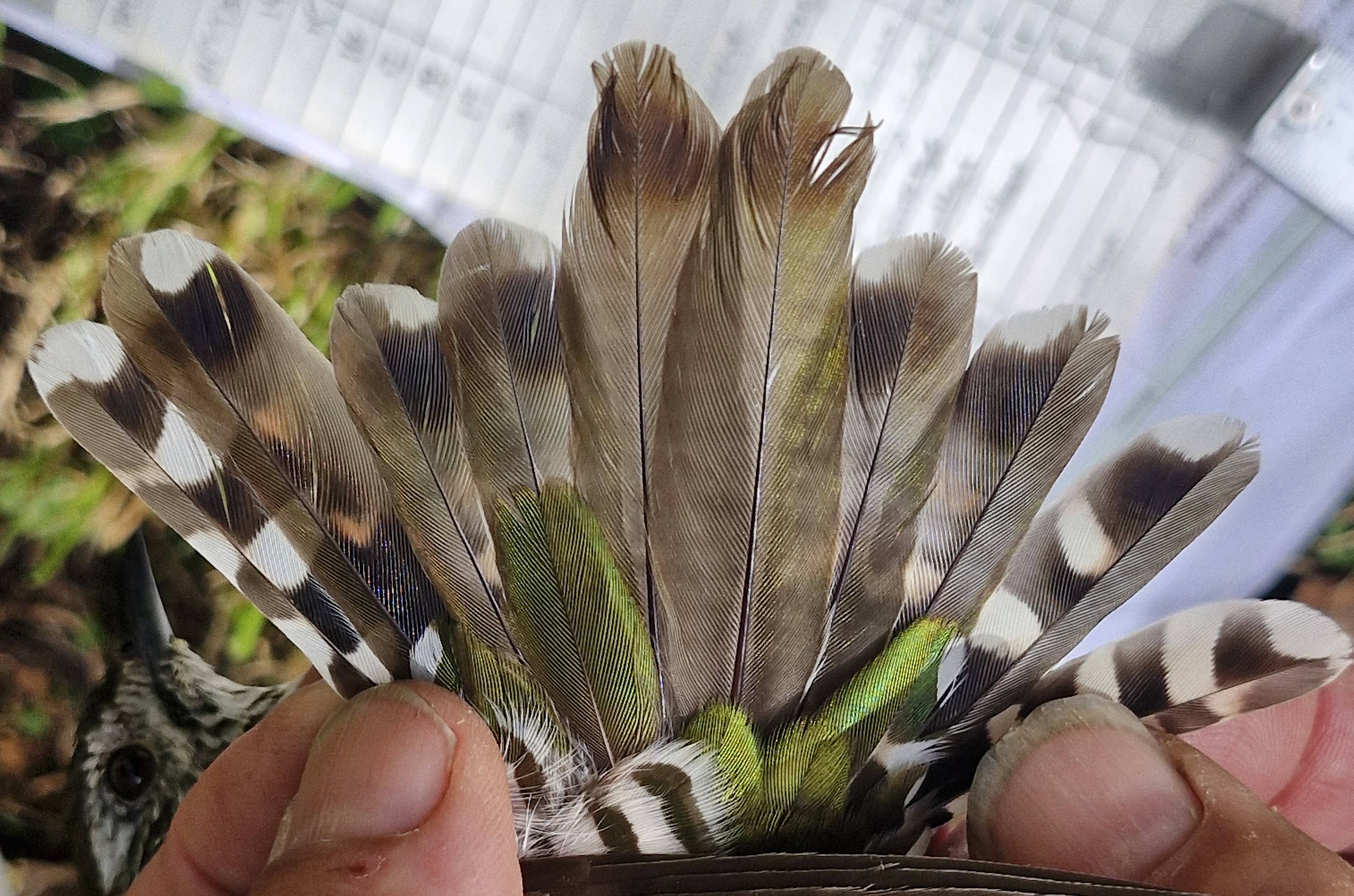
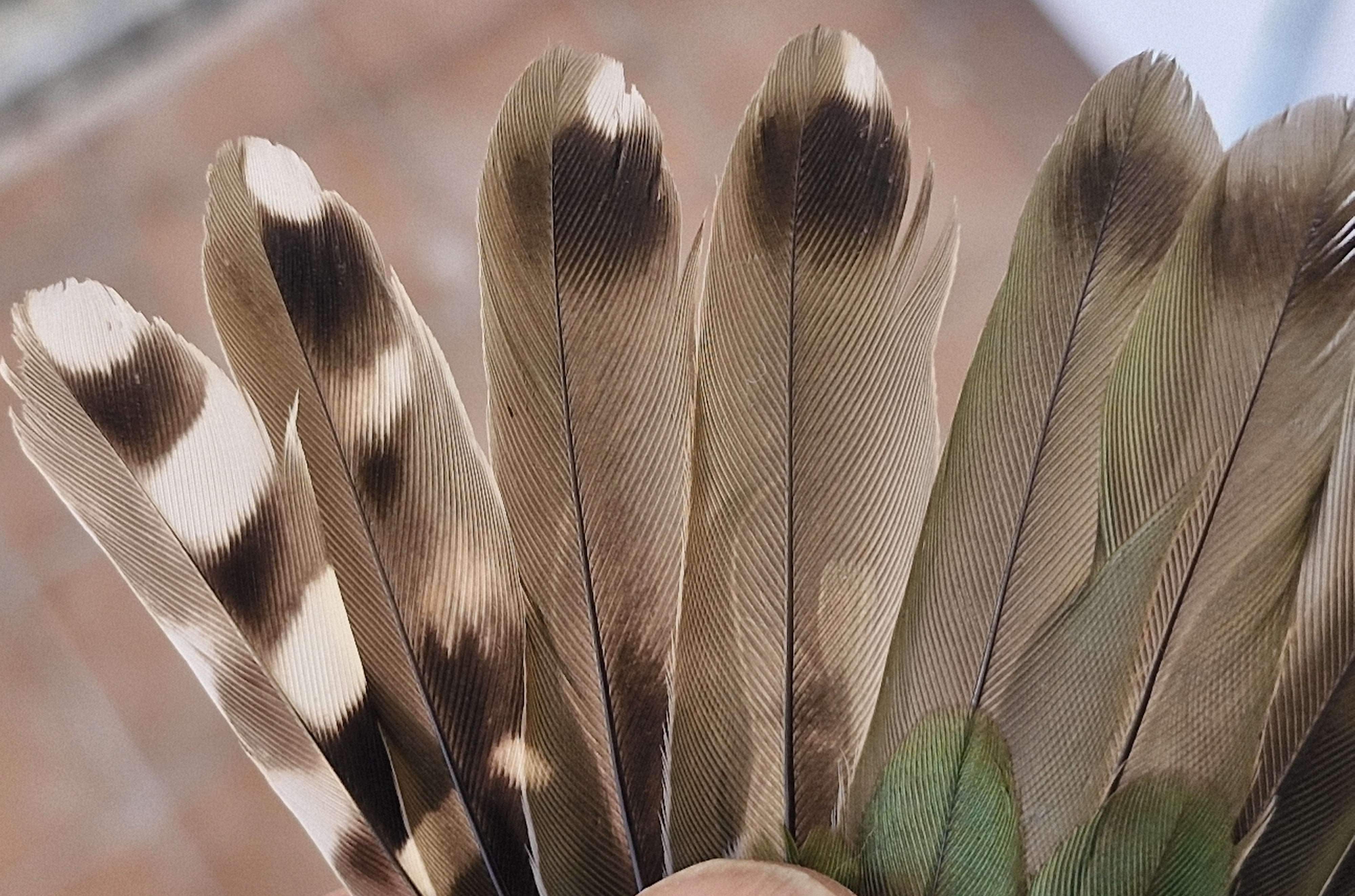
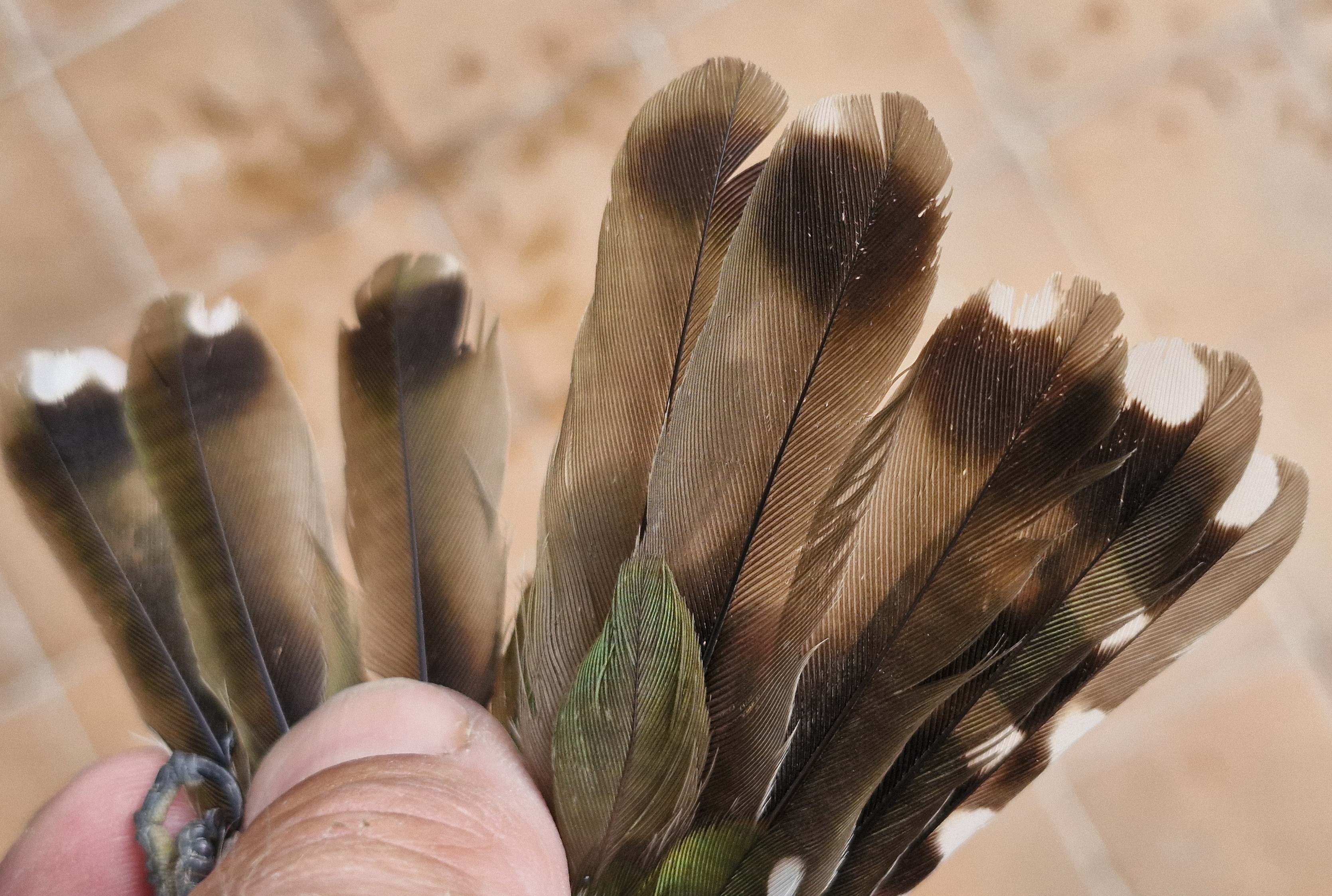
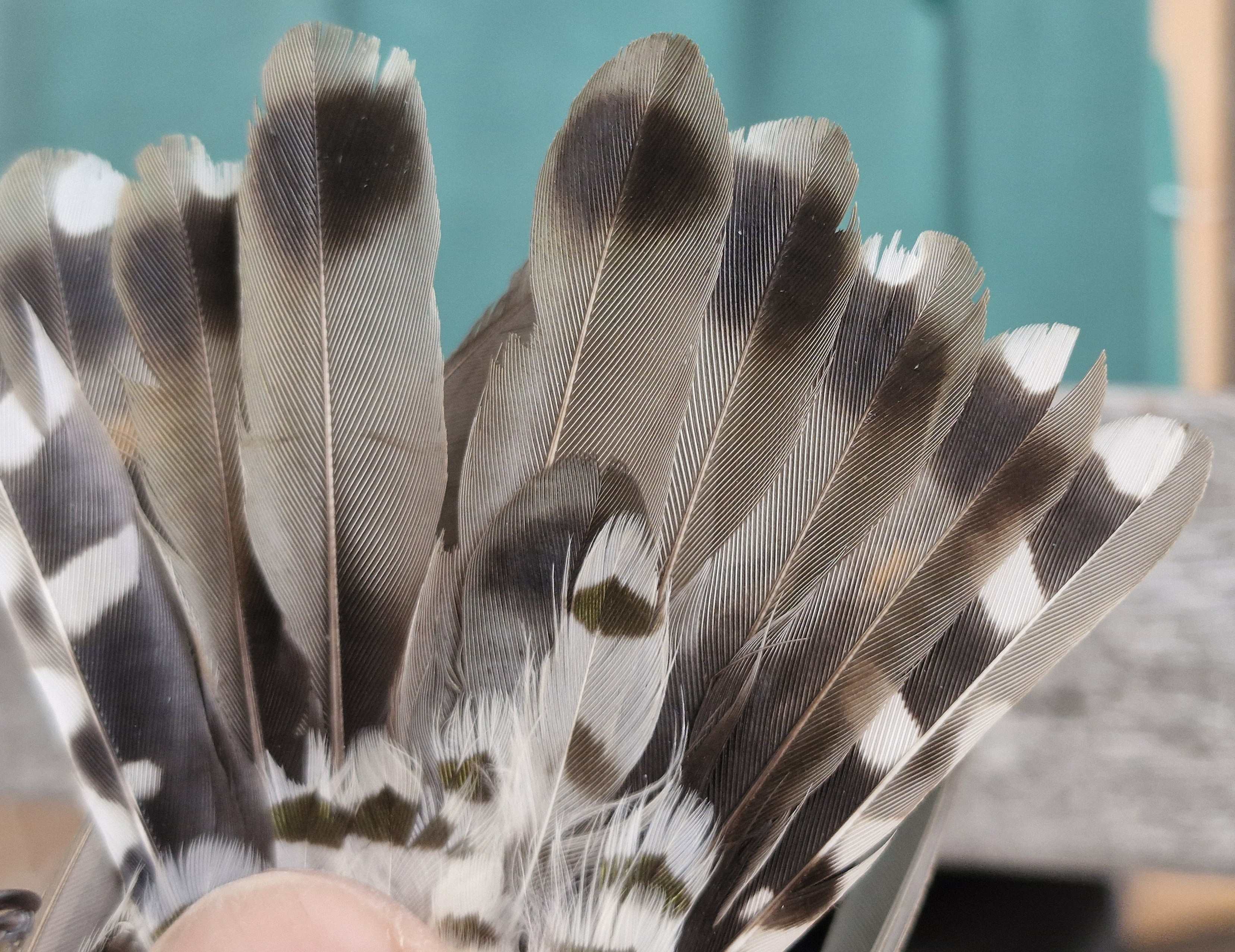
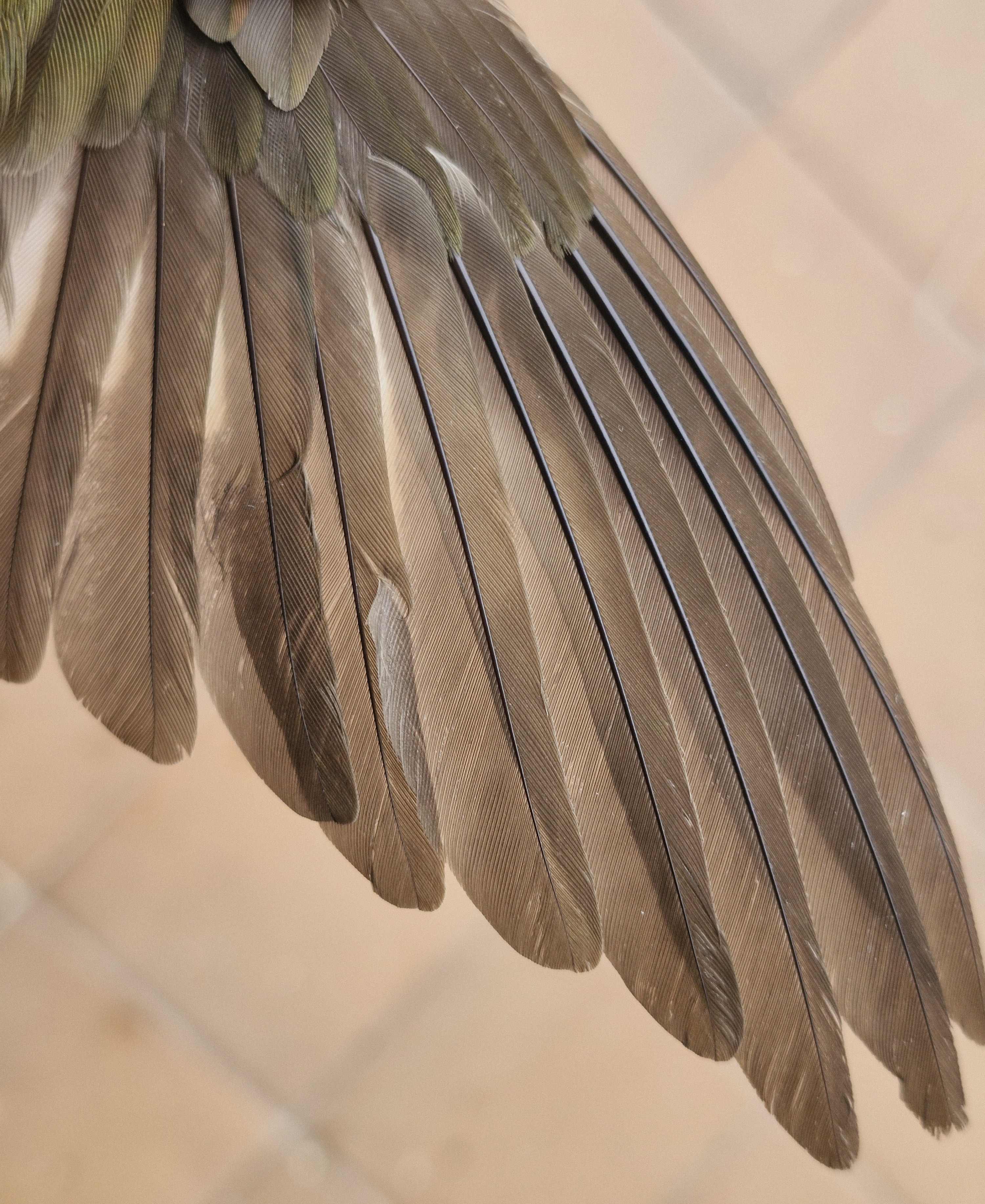
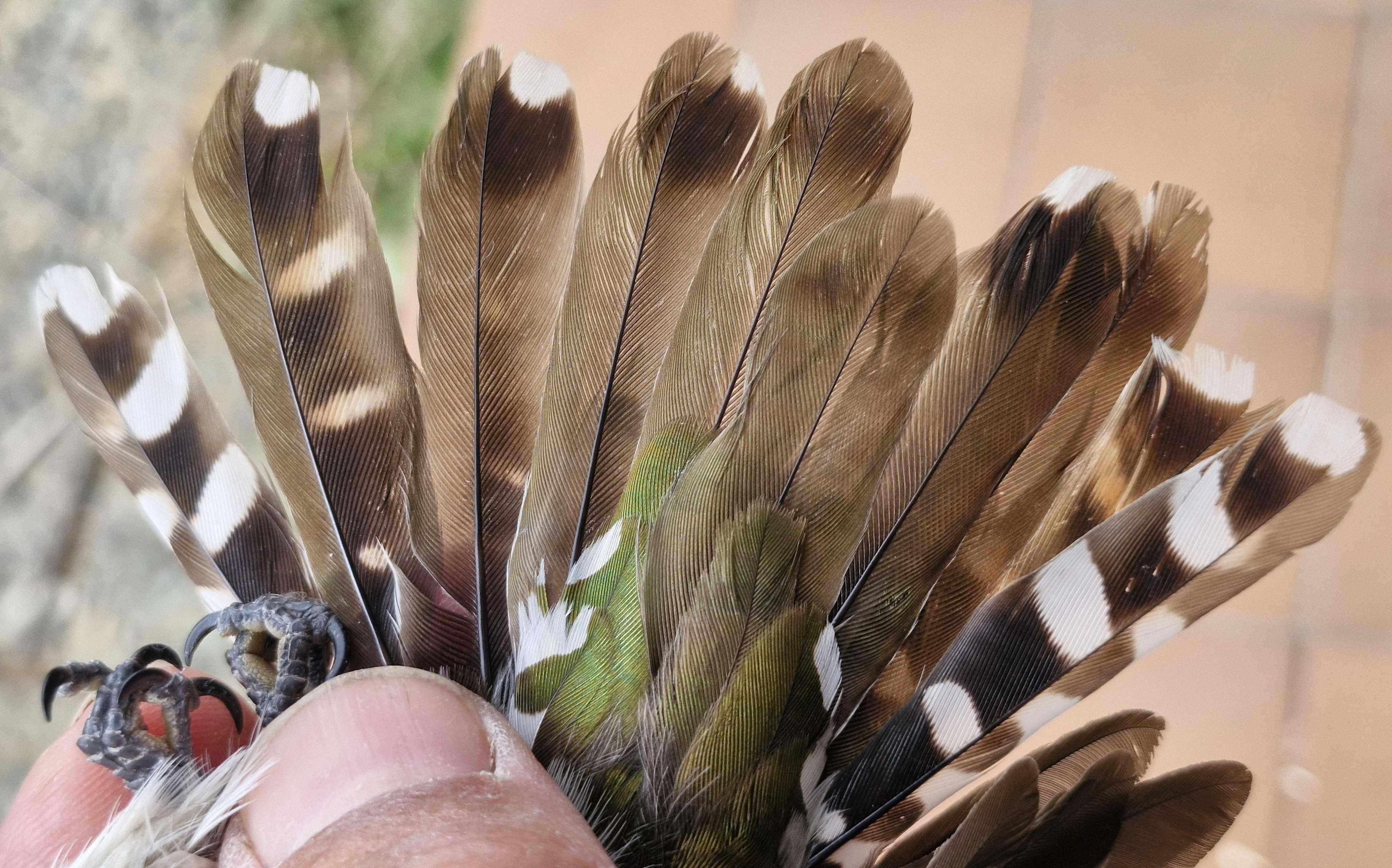
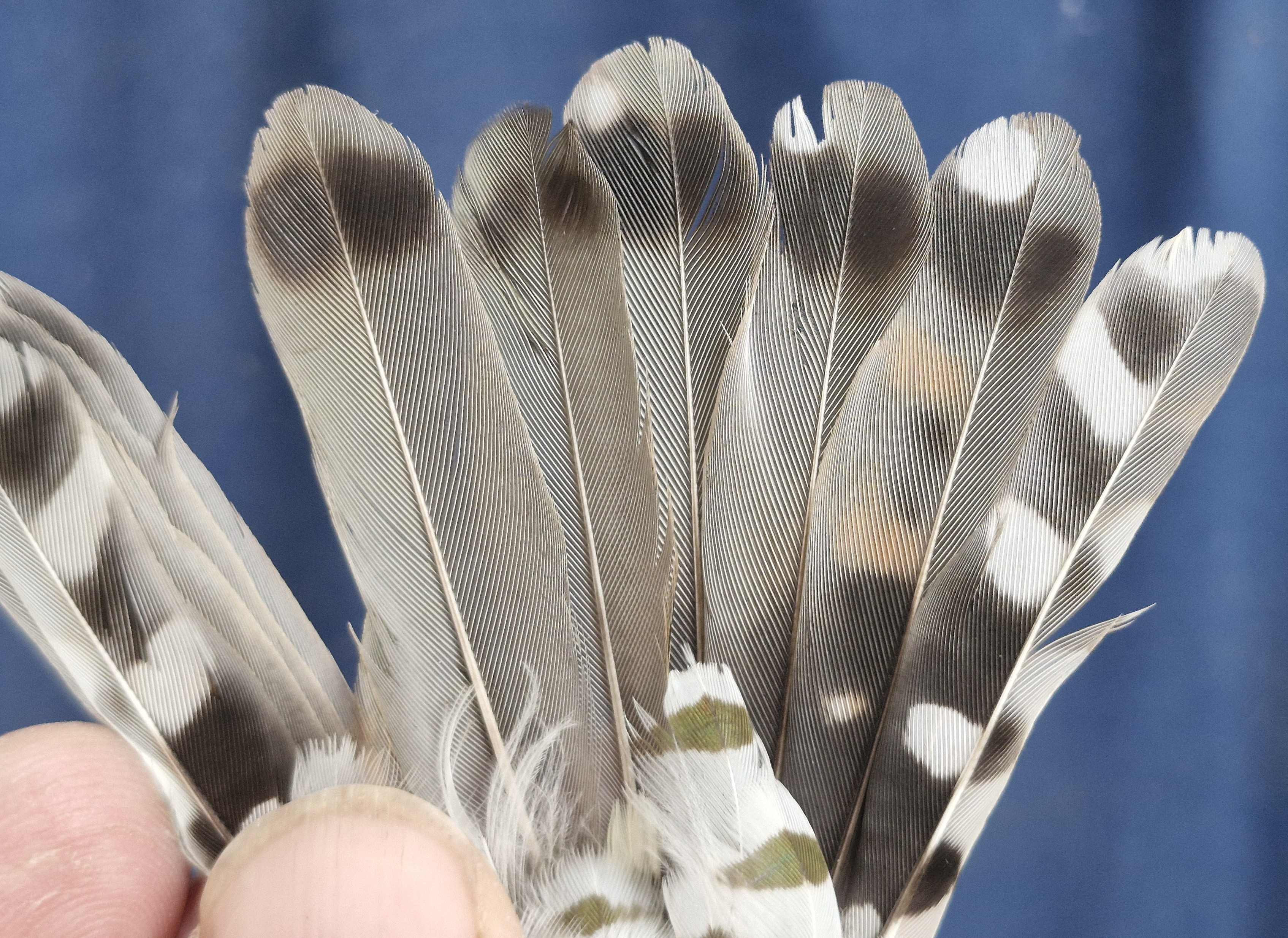
Age 2+ male with prominent white spots on rectrix R4
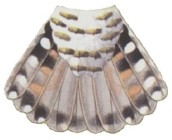
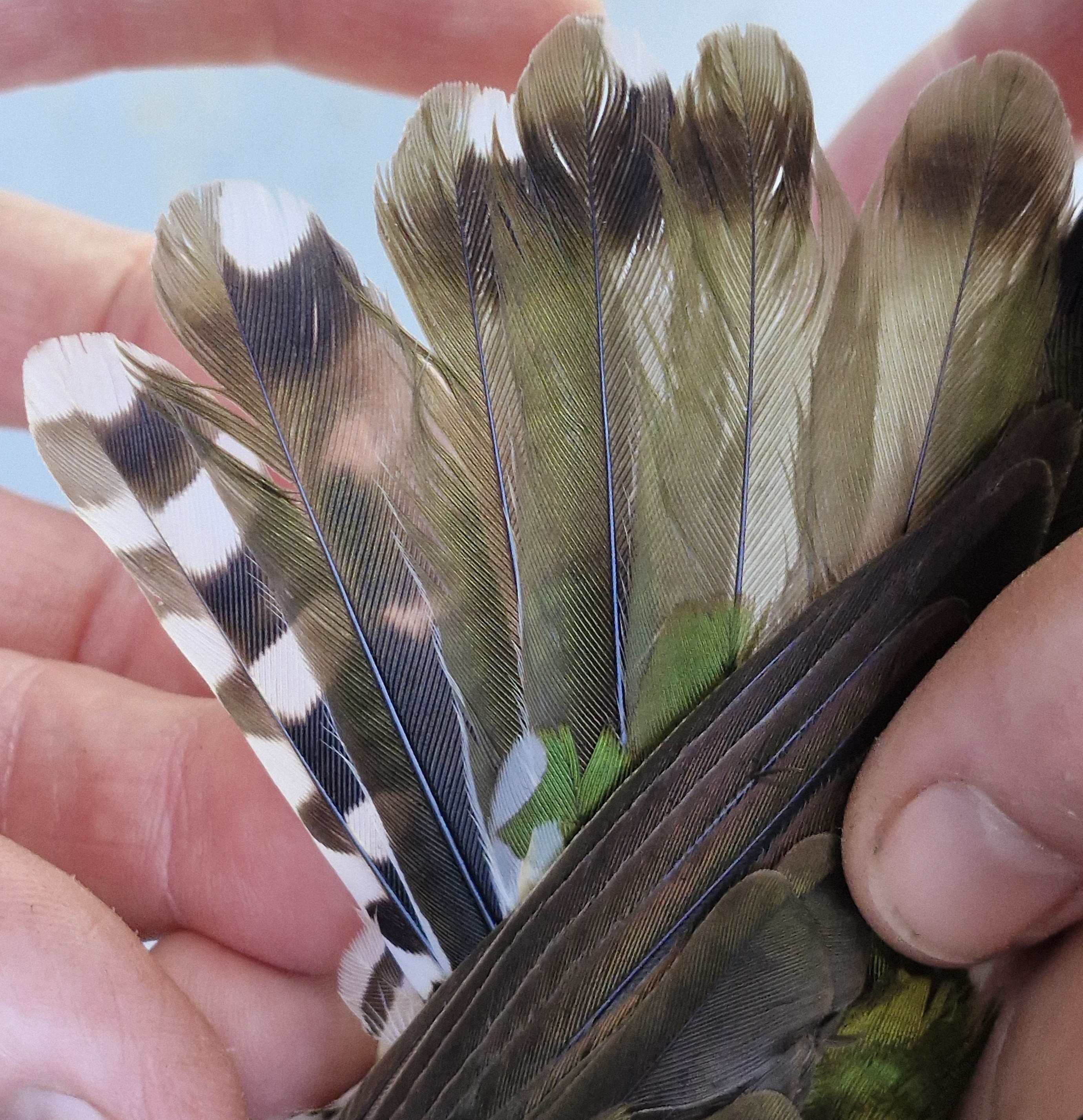
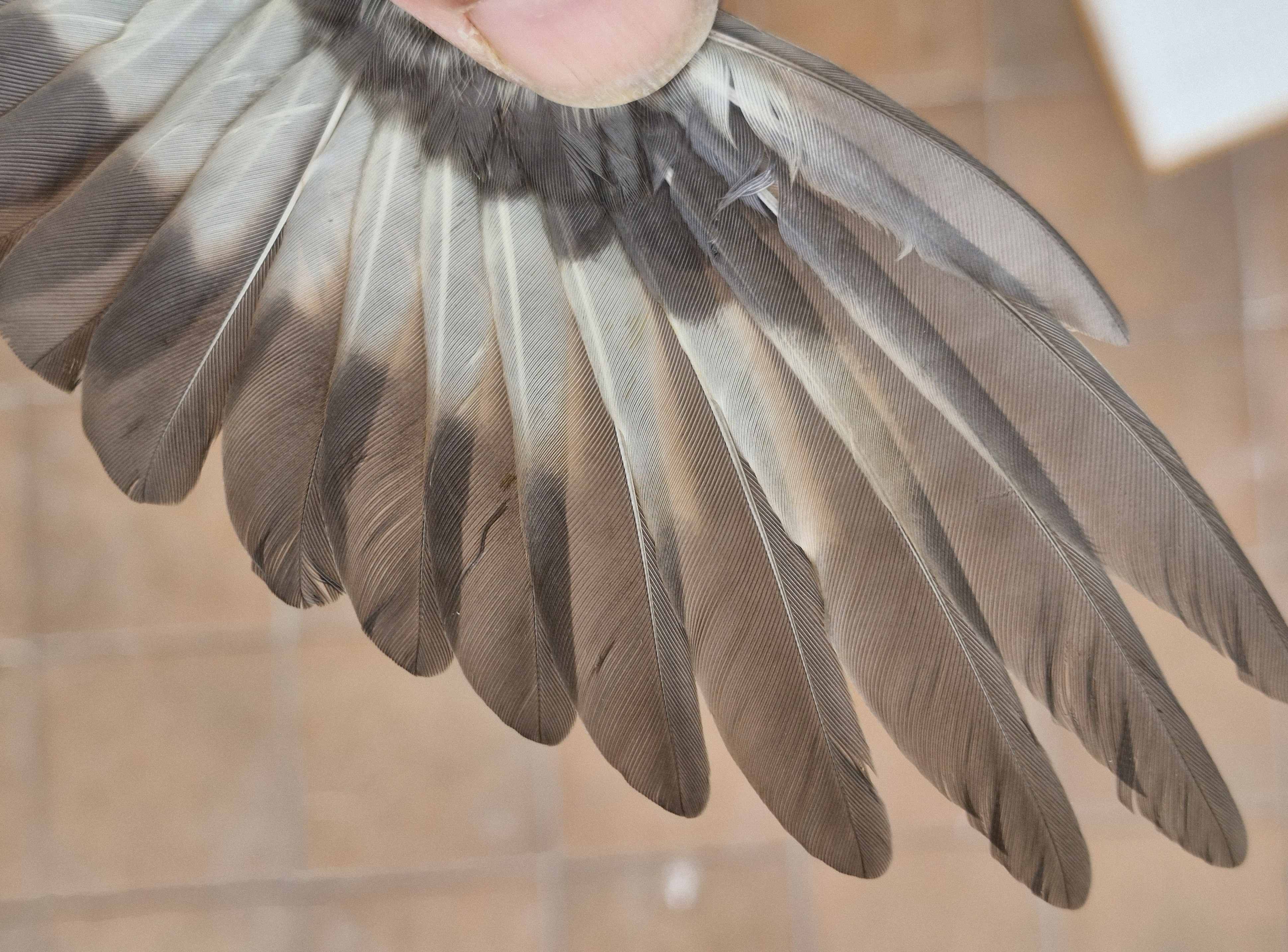
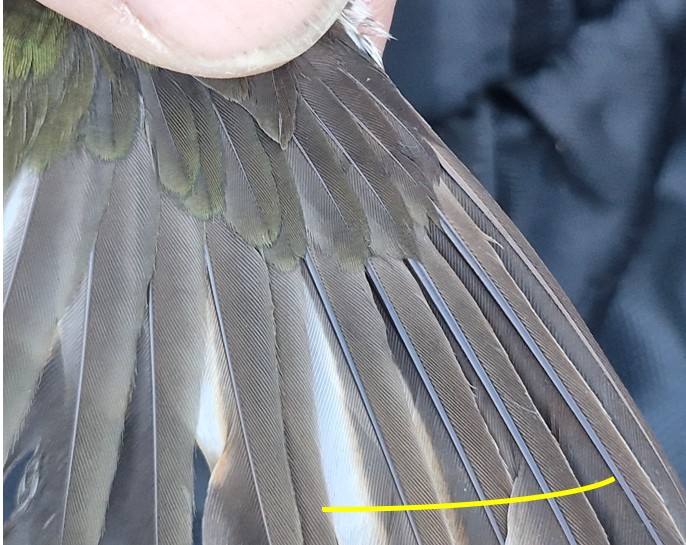
ABSA species guide male rectrix ventral view
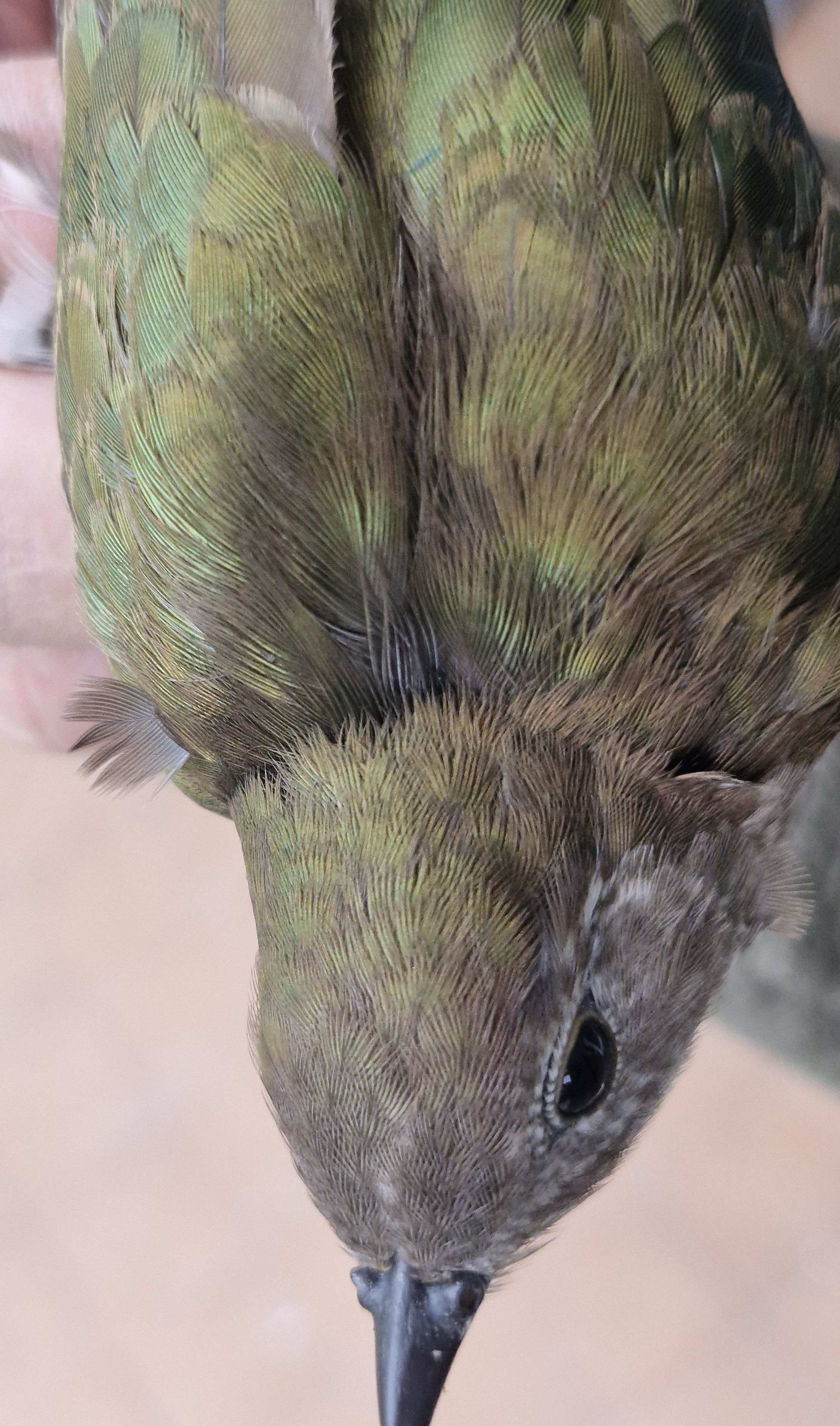
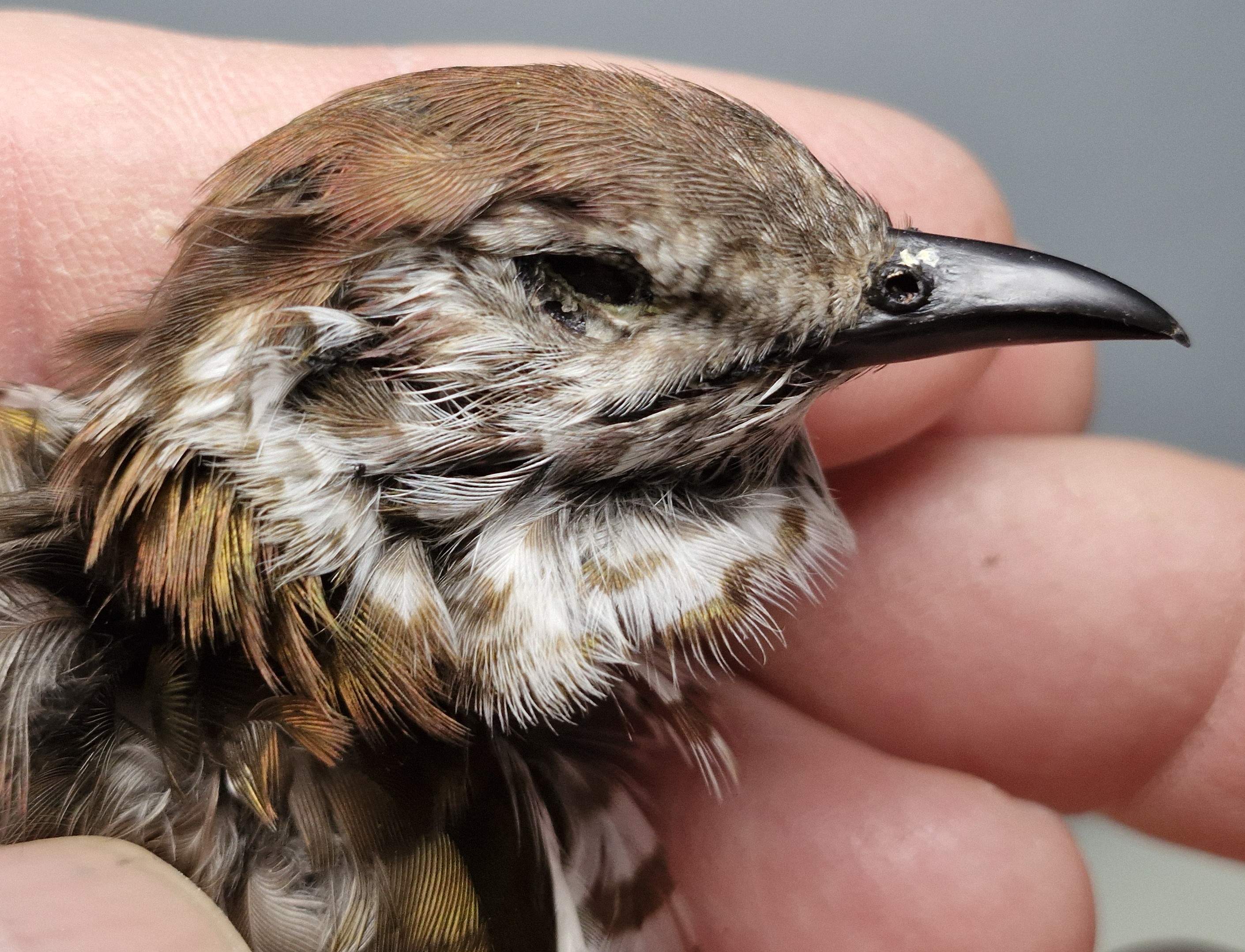
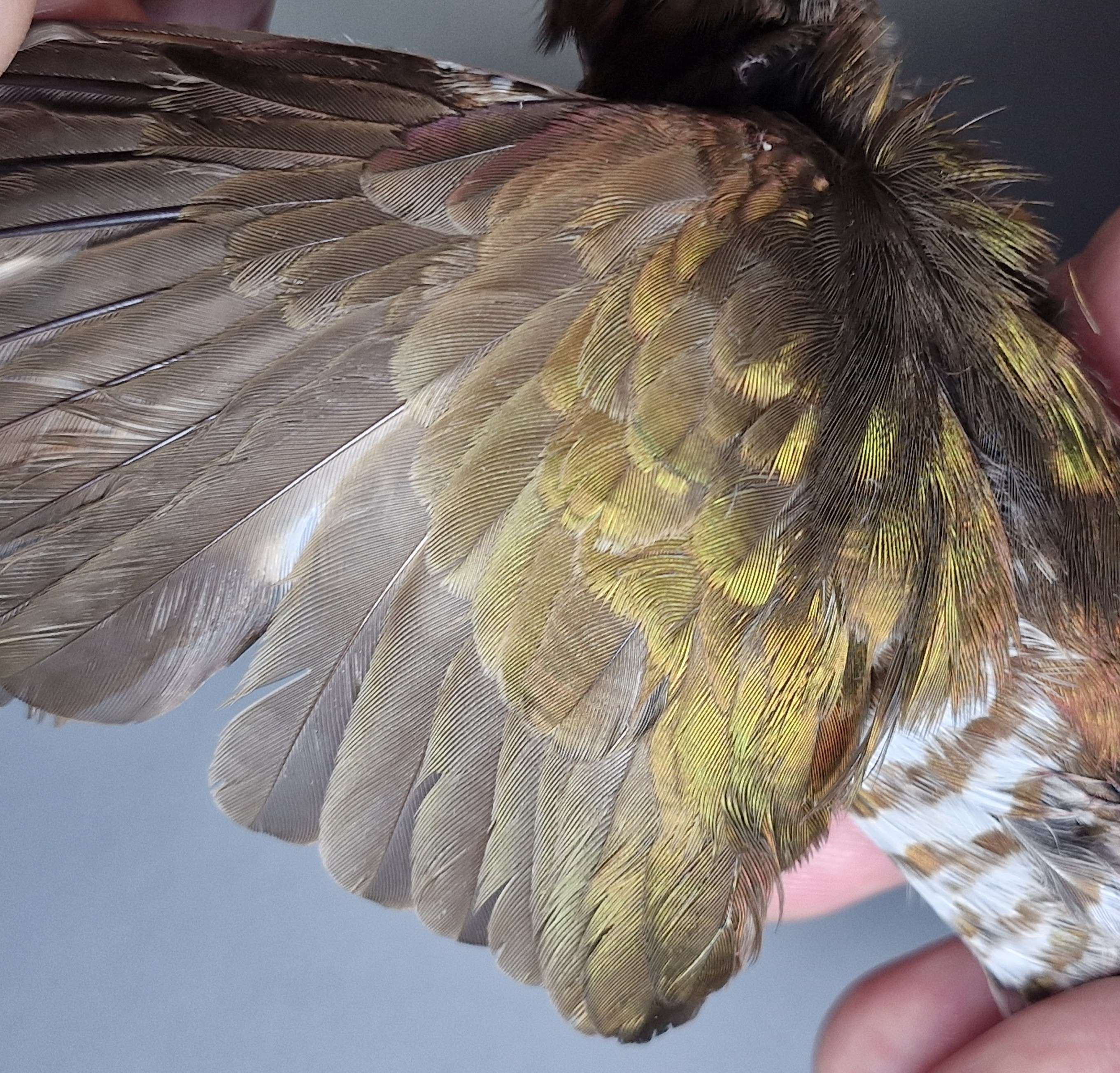
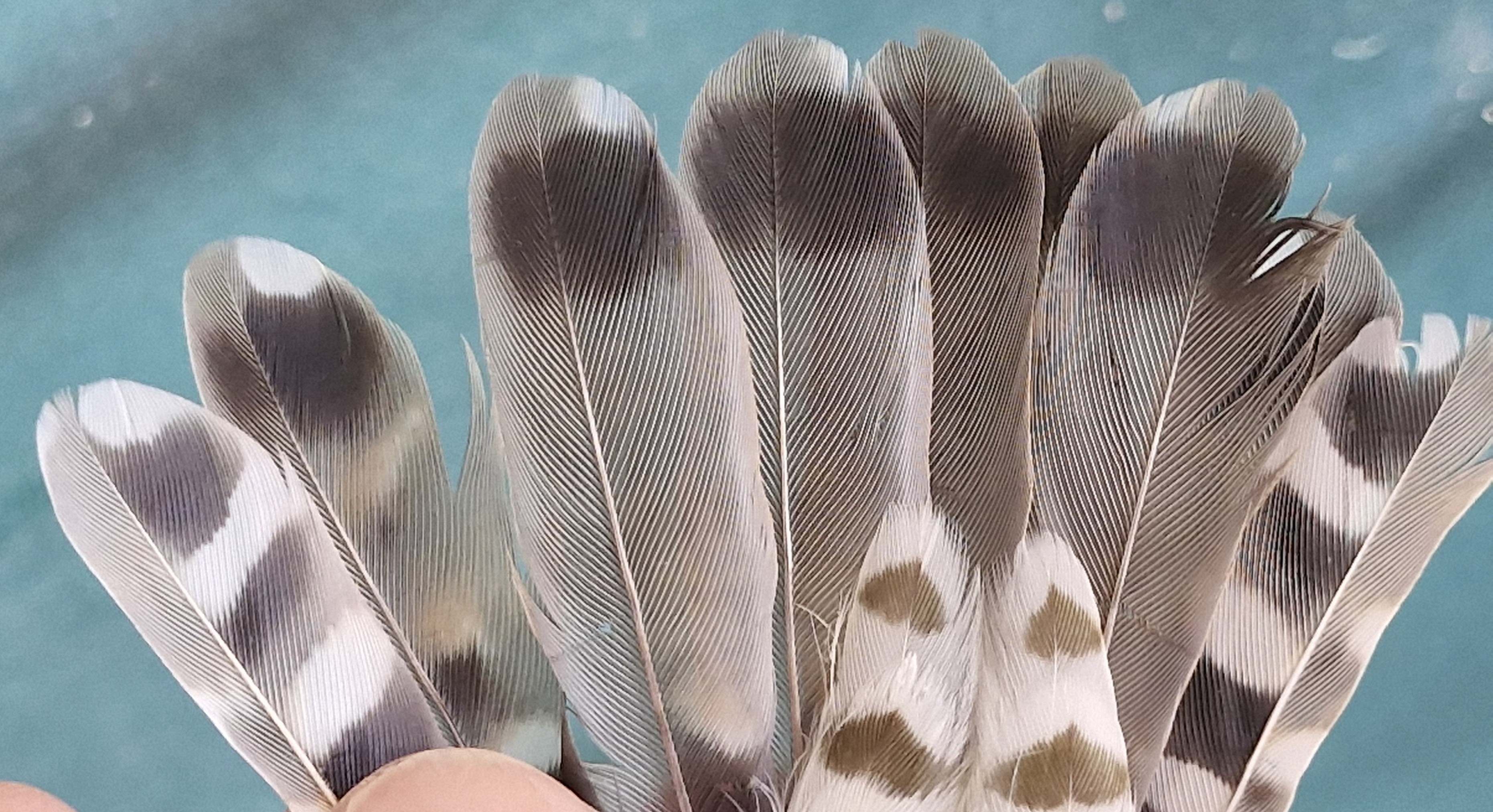
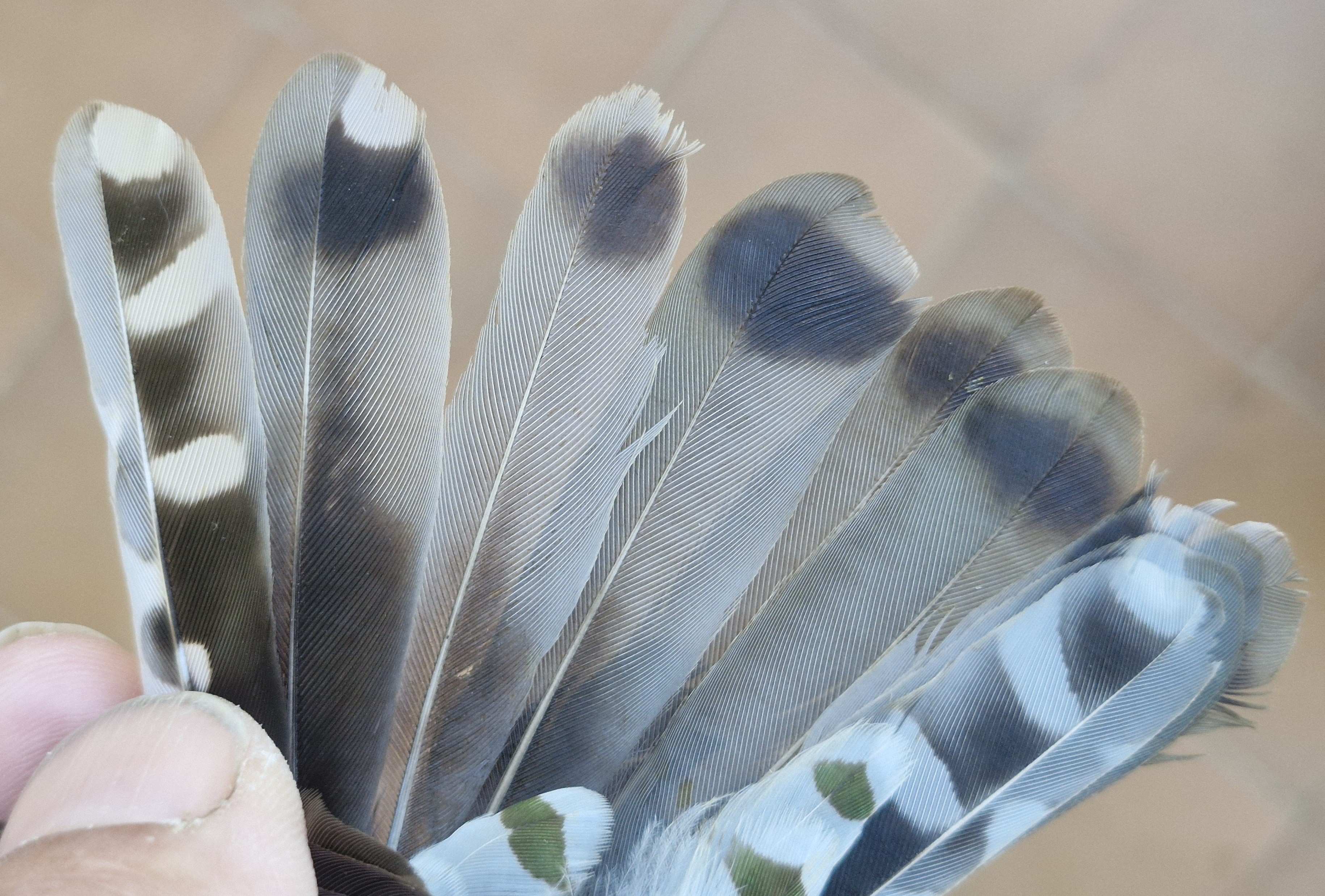
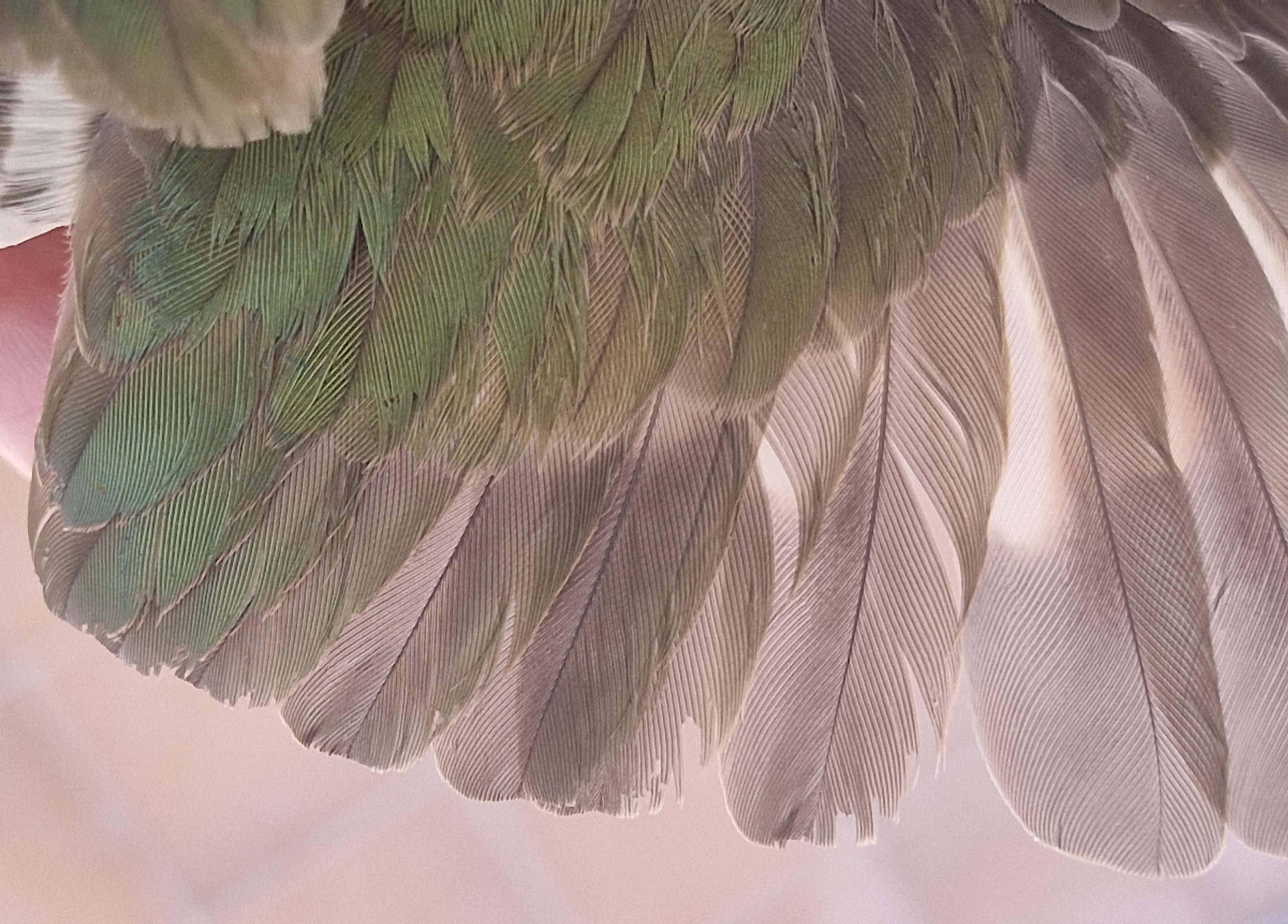
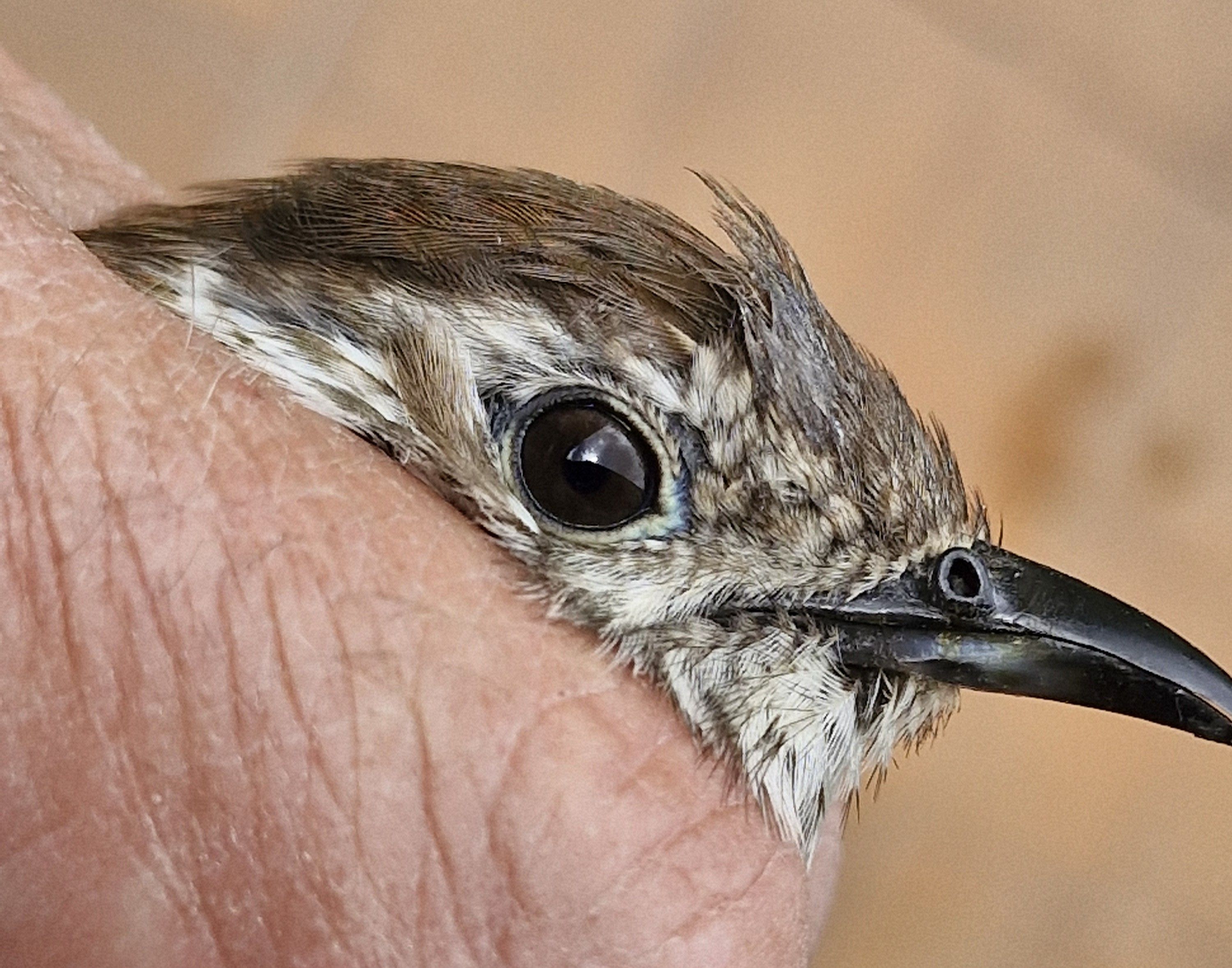
Age 2+ female with bronze plumage on nape and back
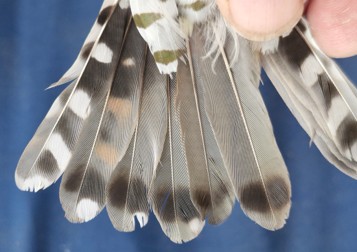
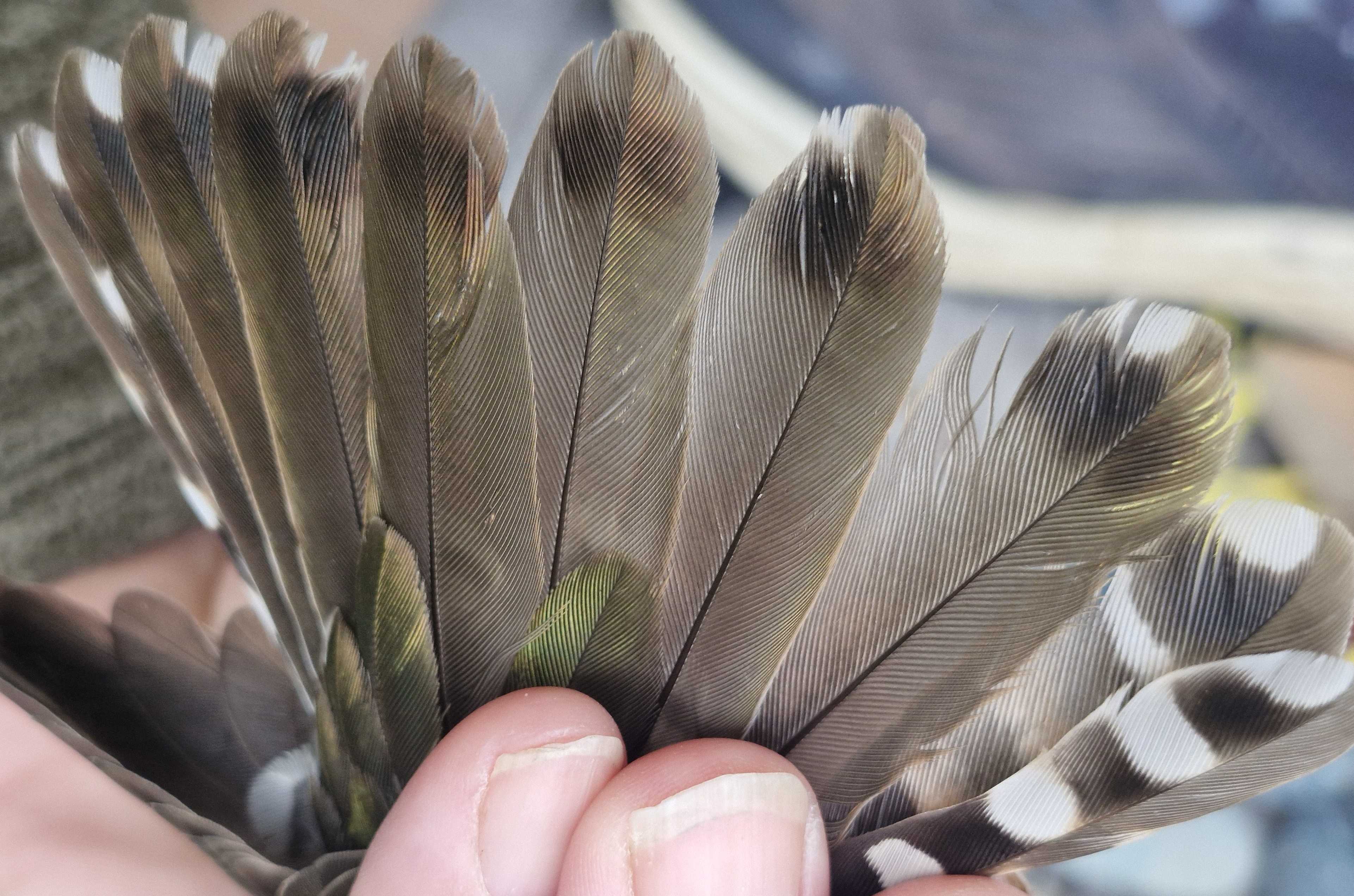
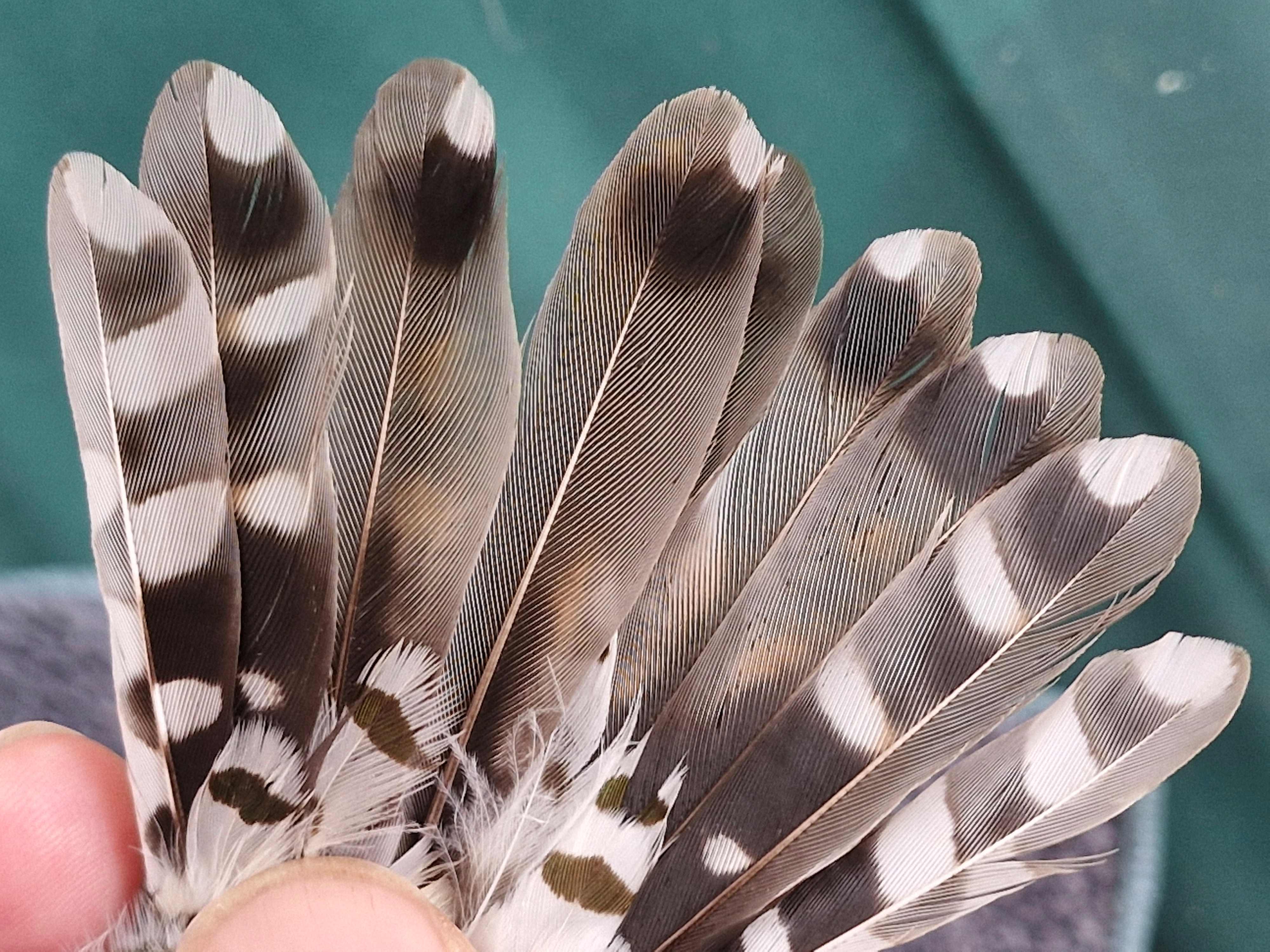
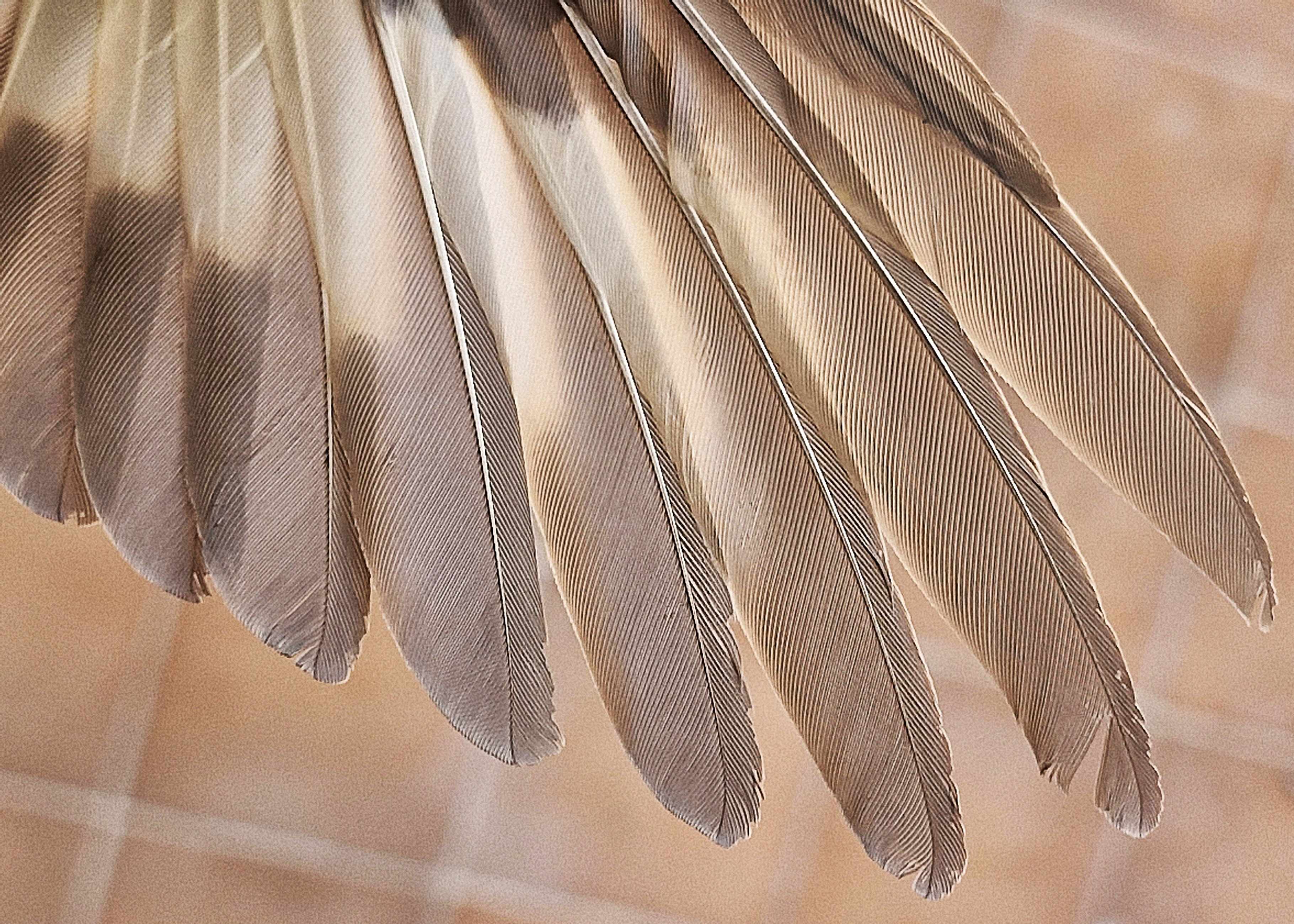
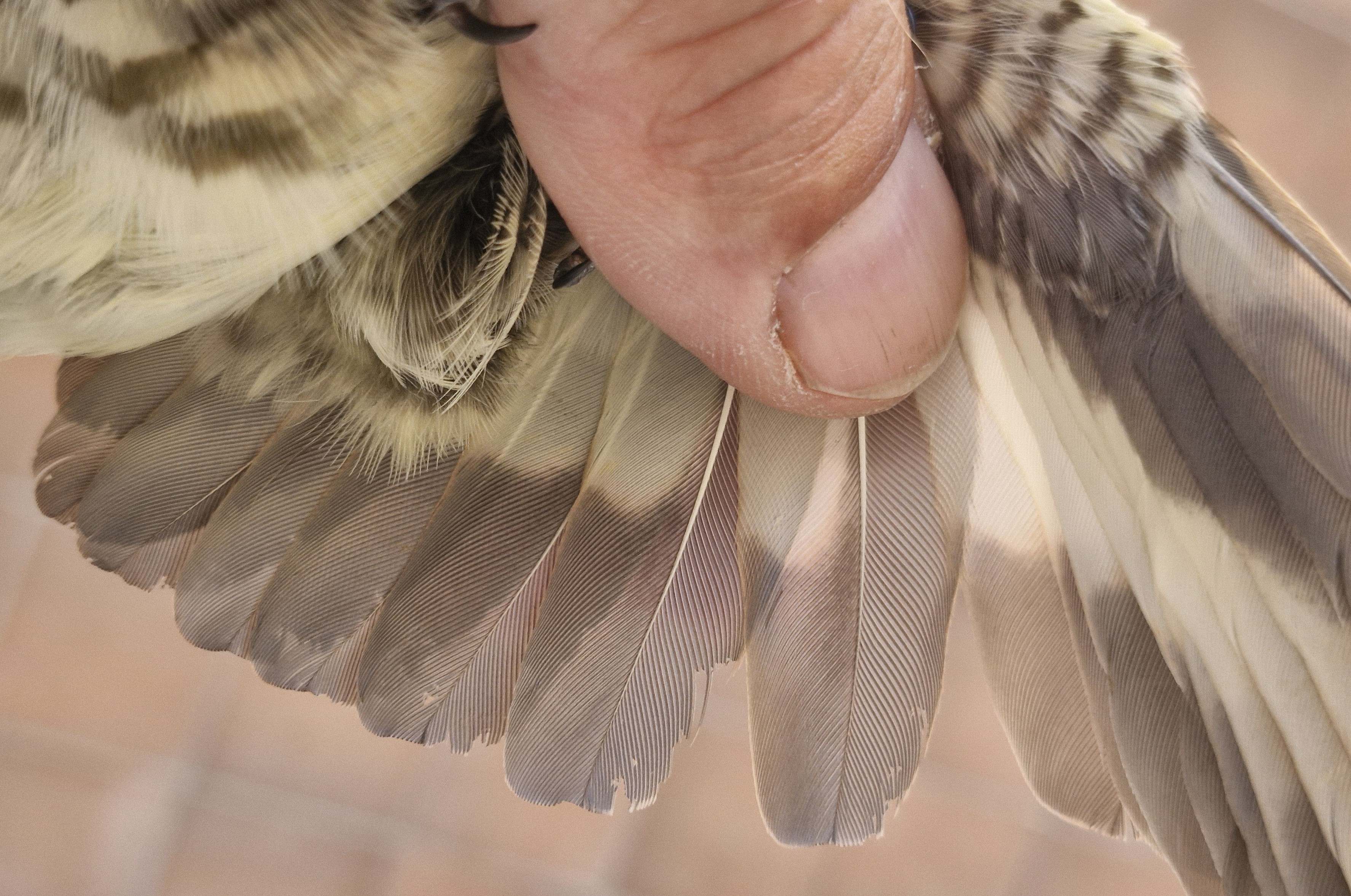
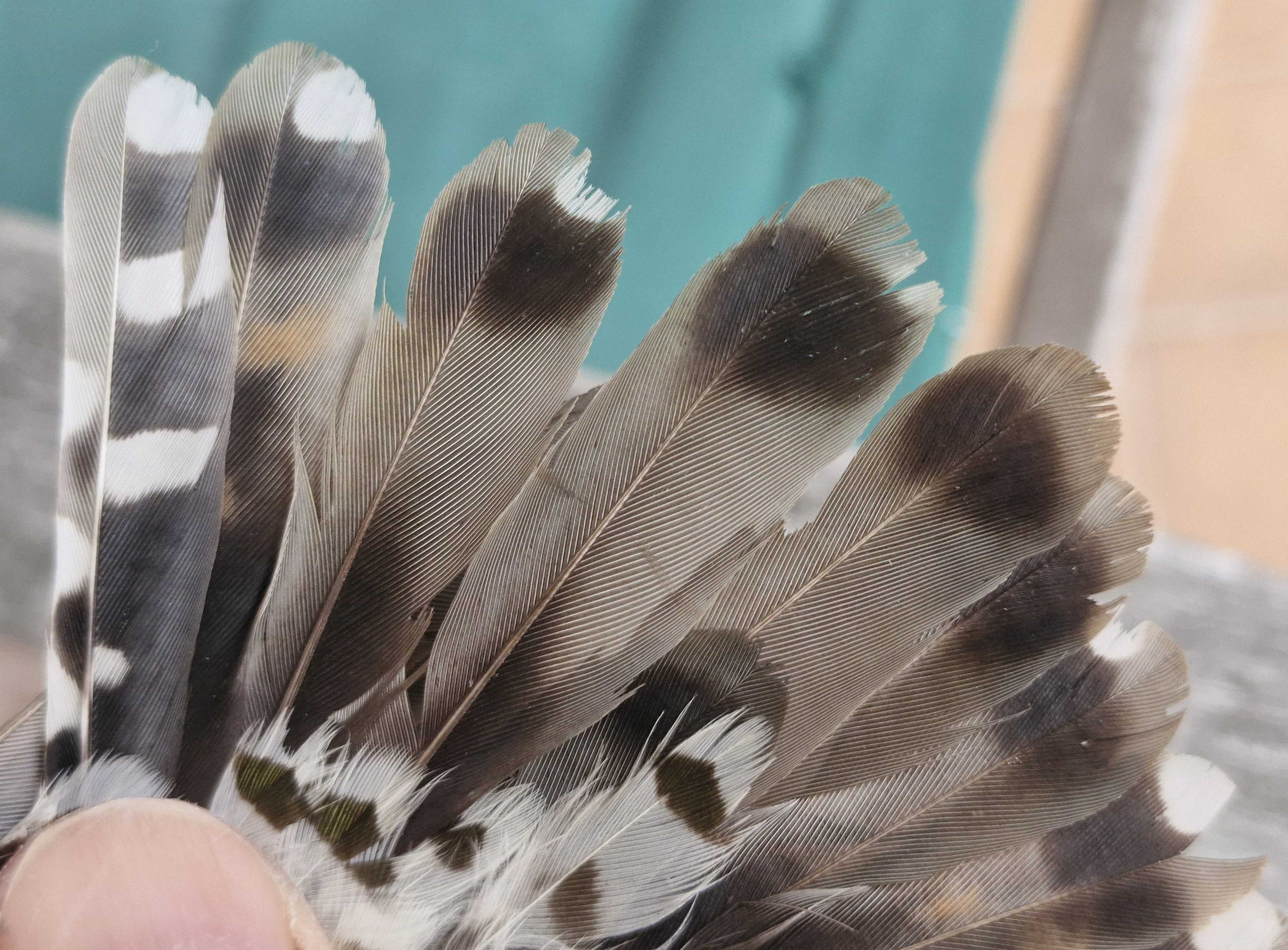
Age 2+ female with rufus flashes on rectrix R4
ABSA species guide female rectrix ventral view R4
Notes: Other characters including the extent of white on the head and colour of orbital ring can be used to sex cuckoos but variable and require further study to validate.The colour and degree of white spots and rufus flashes is highly variable so a range of criteria should be used to sex birds.
Refer to the Australian Bird Study Association species guide for more information on ageing and sexing
Bronze Shining Cuckoo
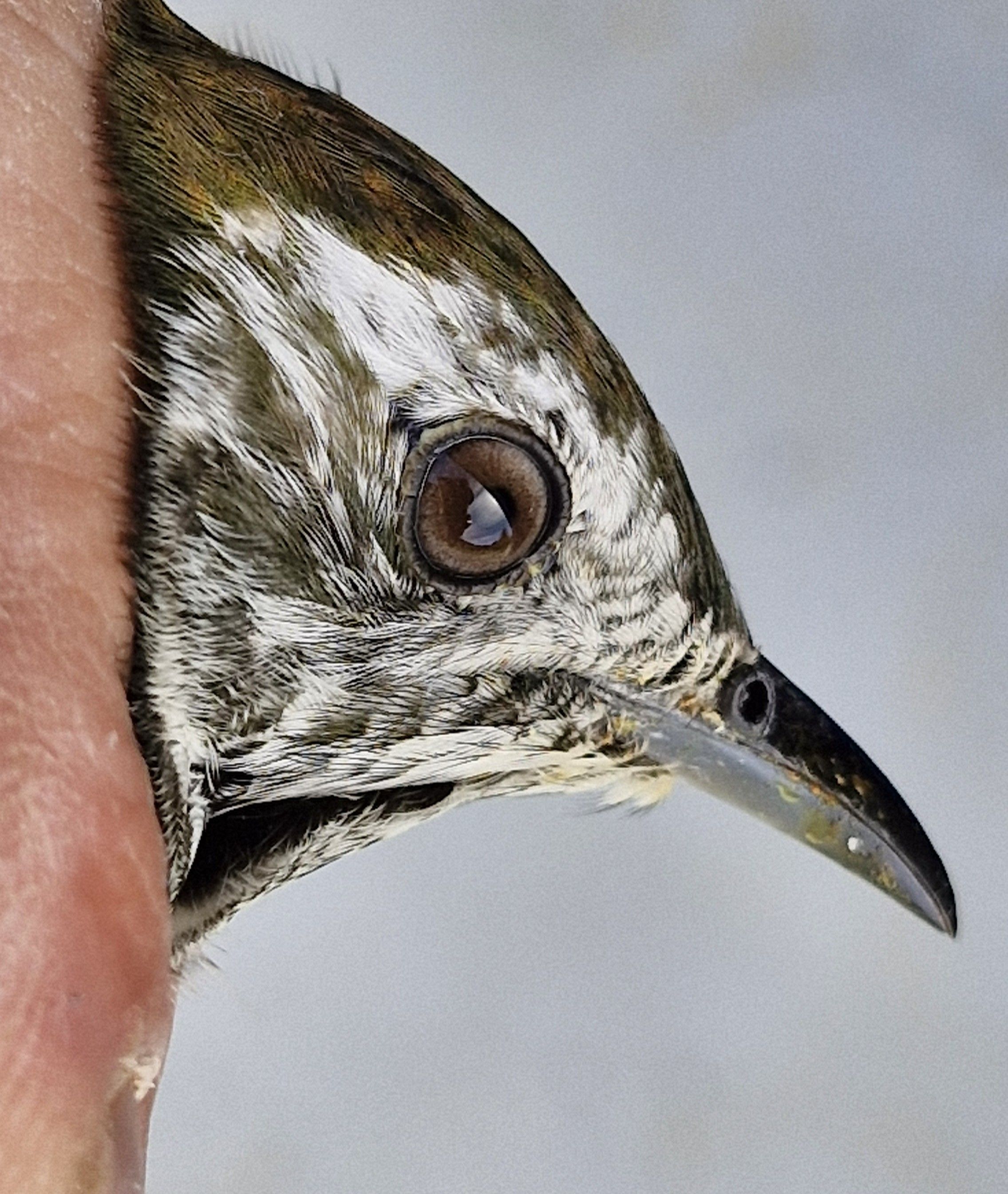
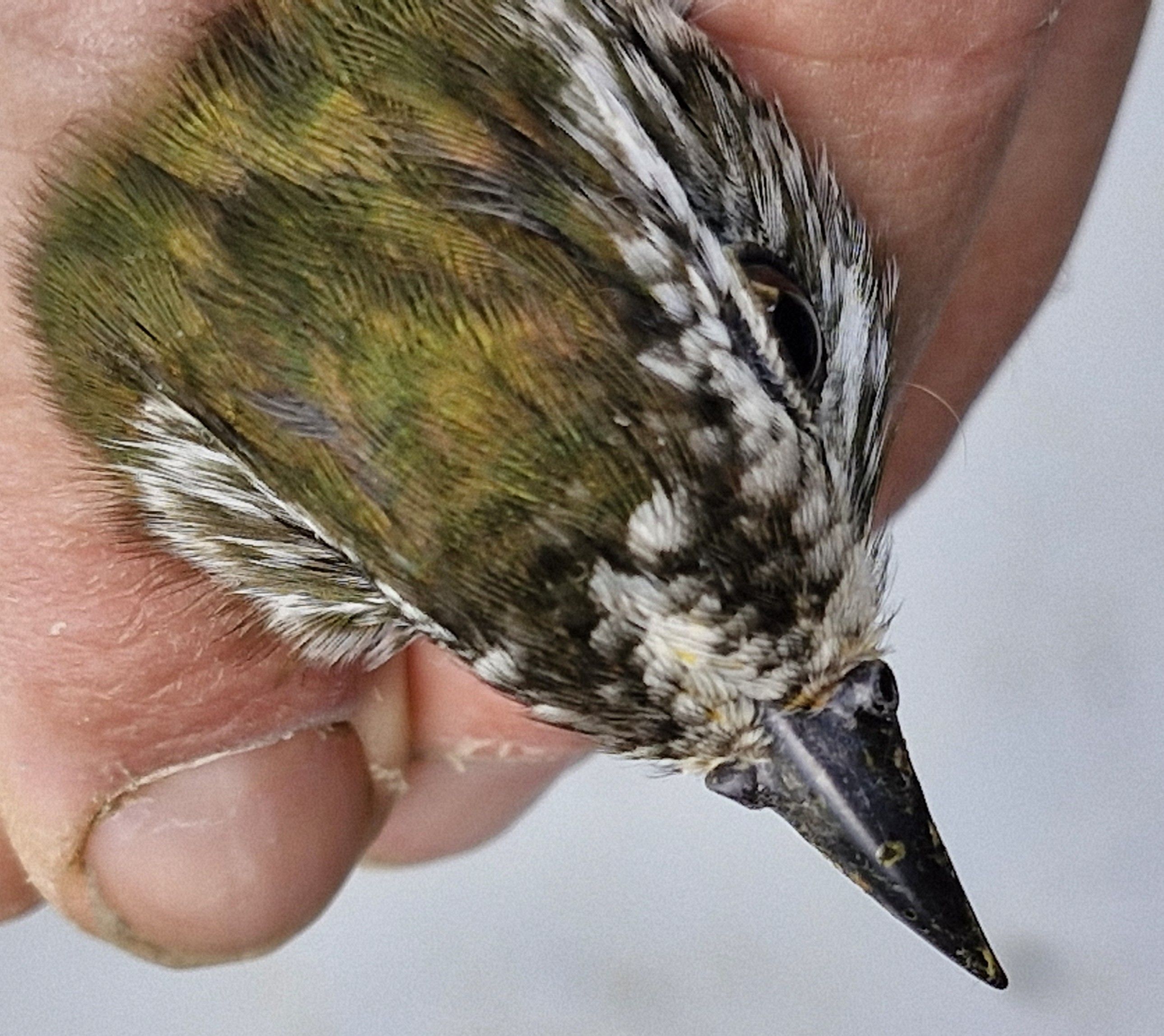
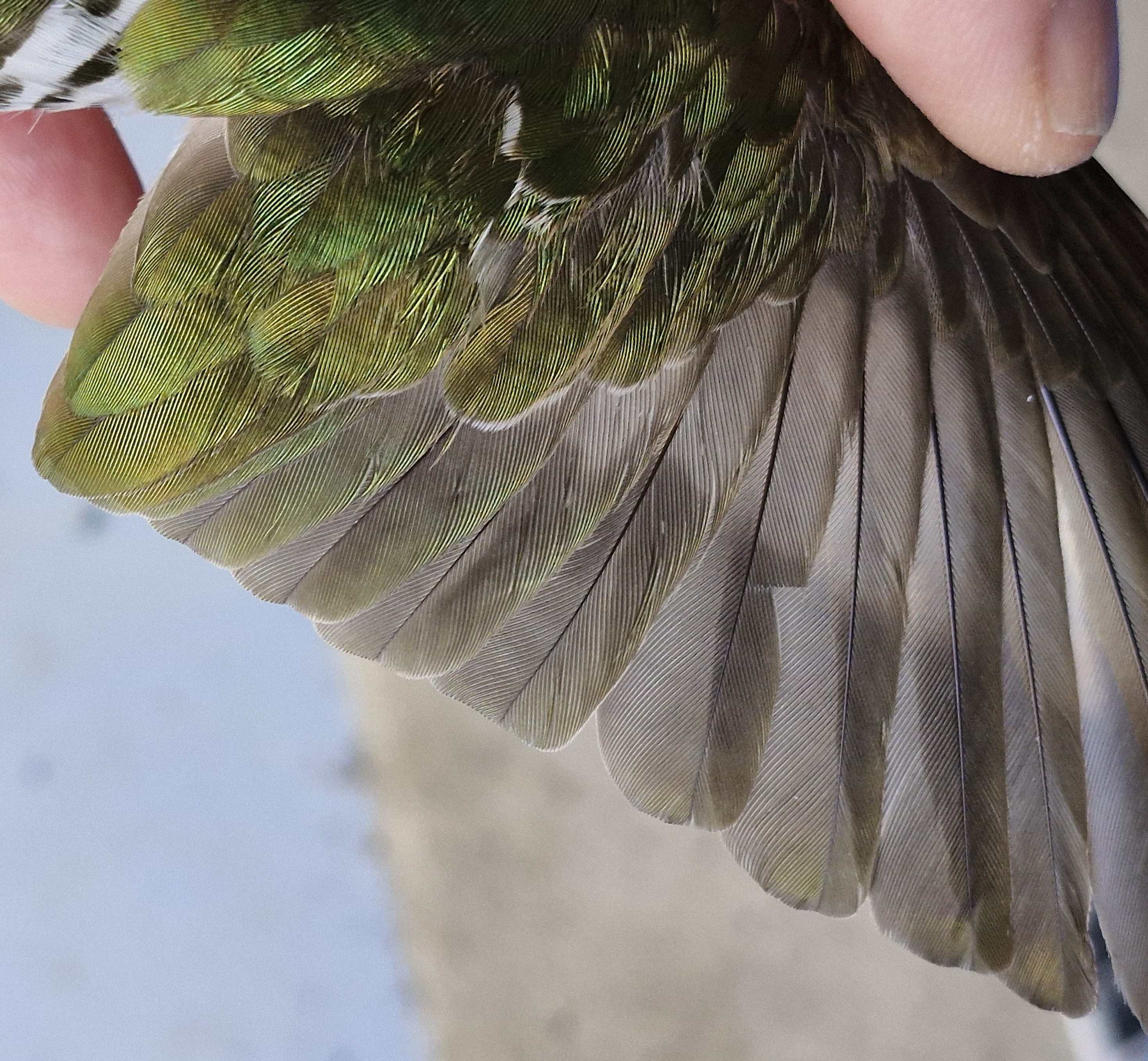
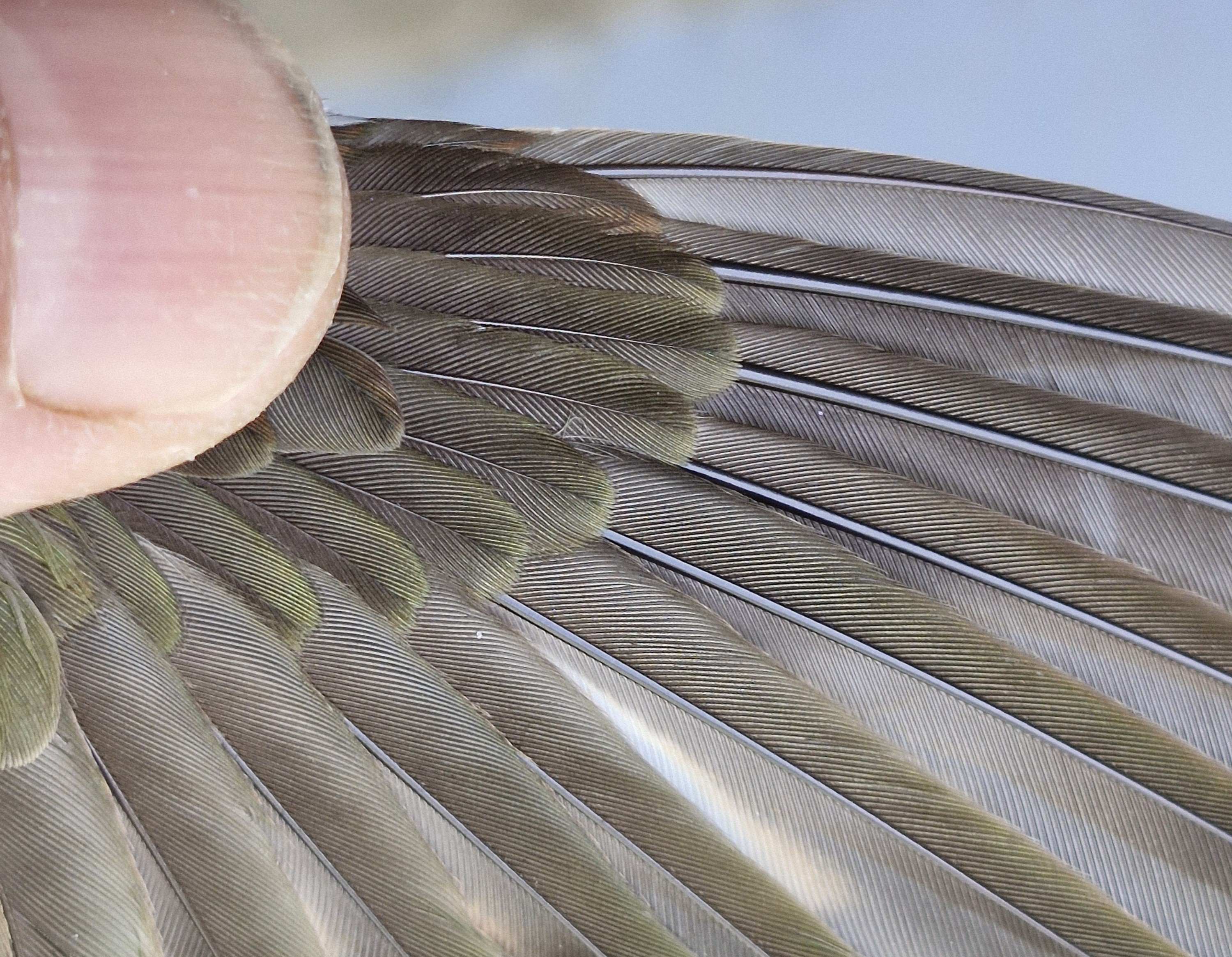
BP29403 Male age 1+, Nelson, October 2025
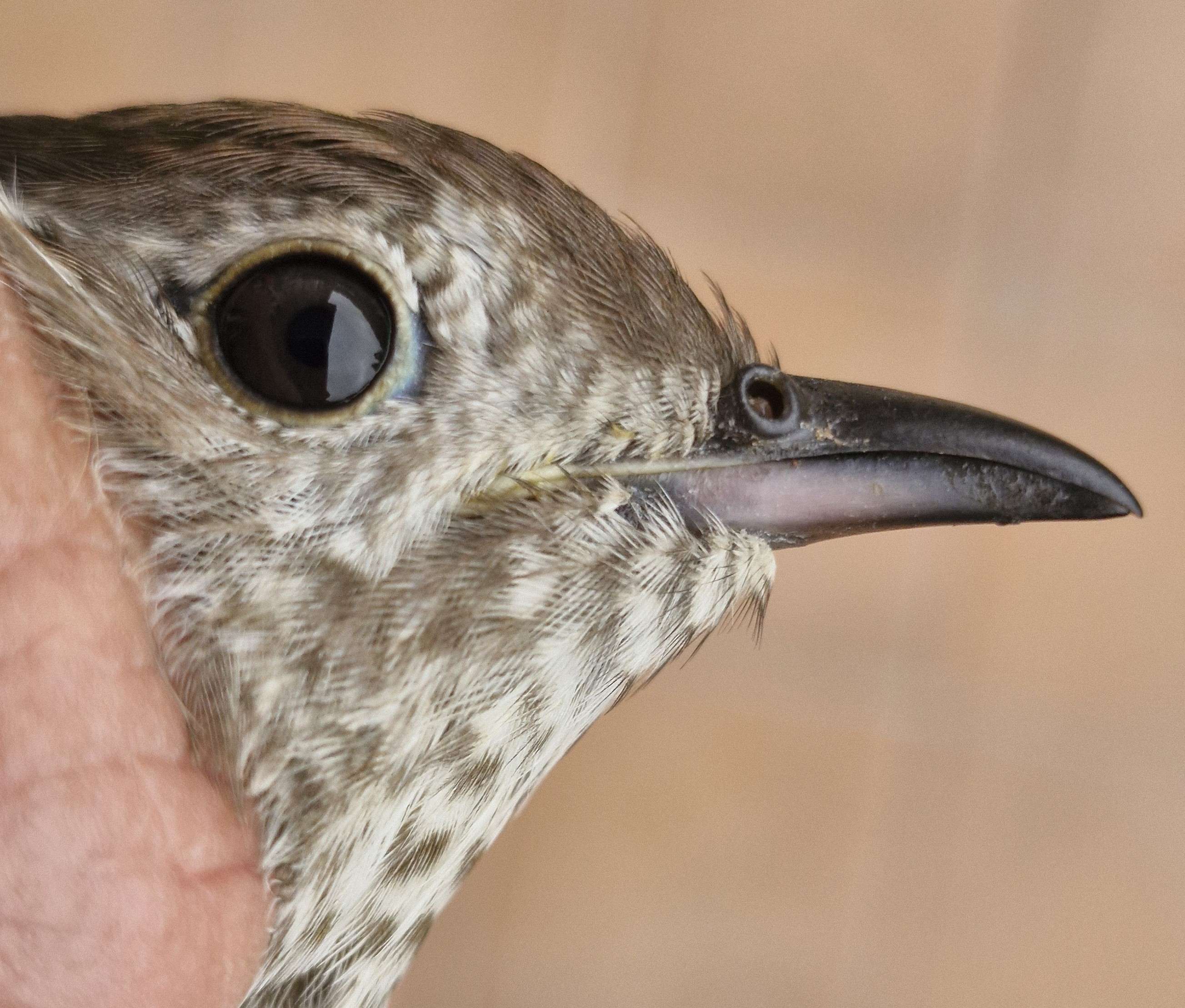
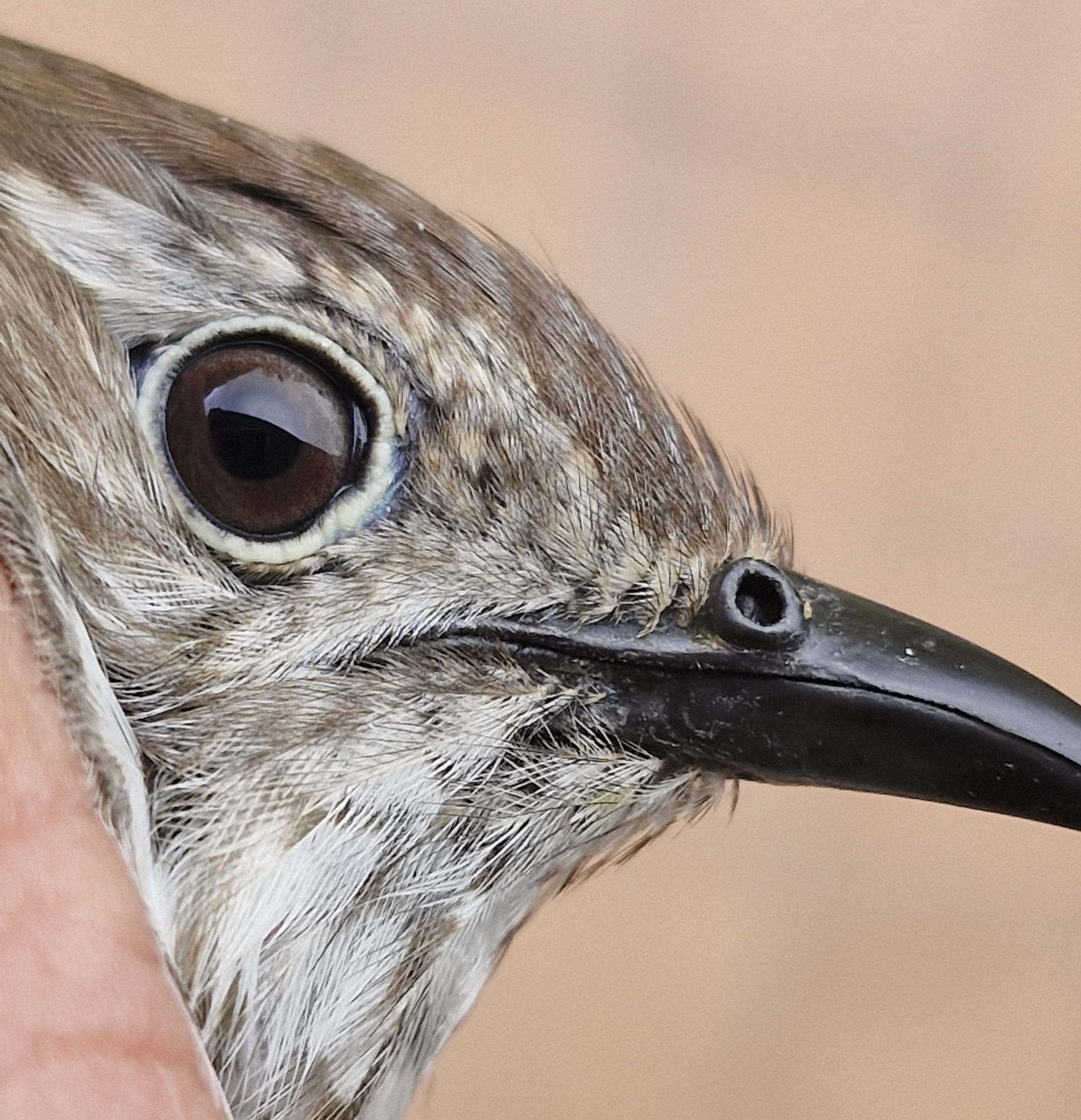
Pale iris colour and moult around the orbital ring
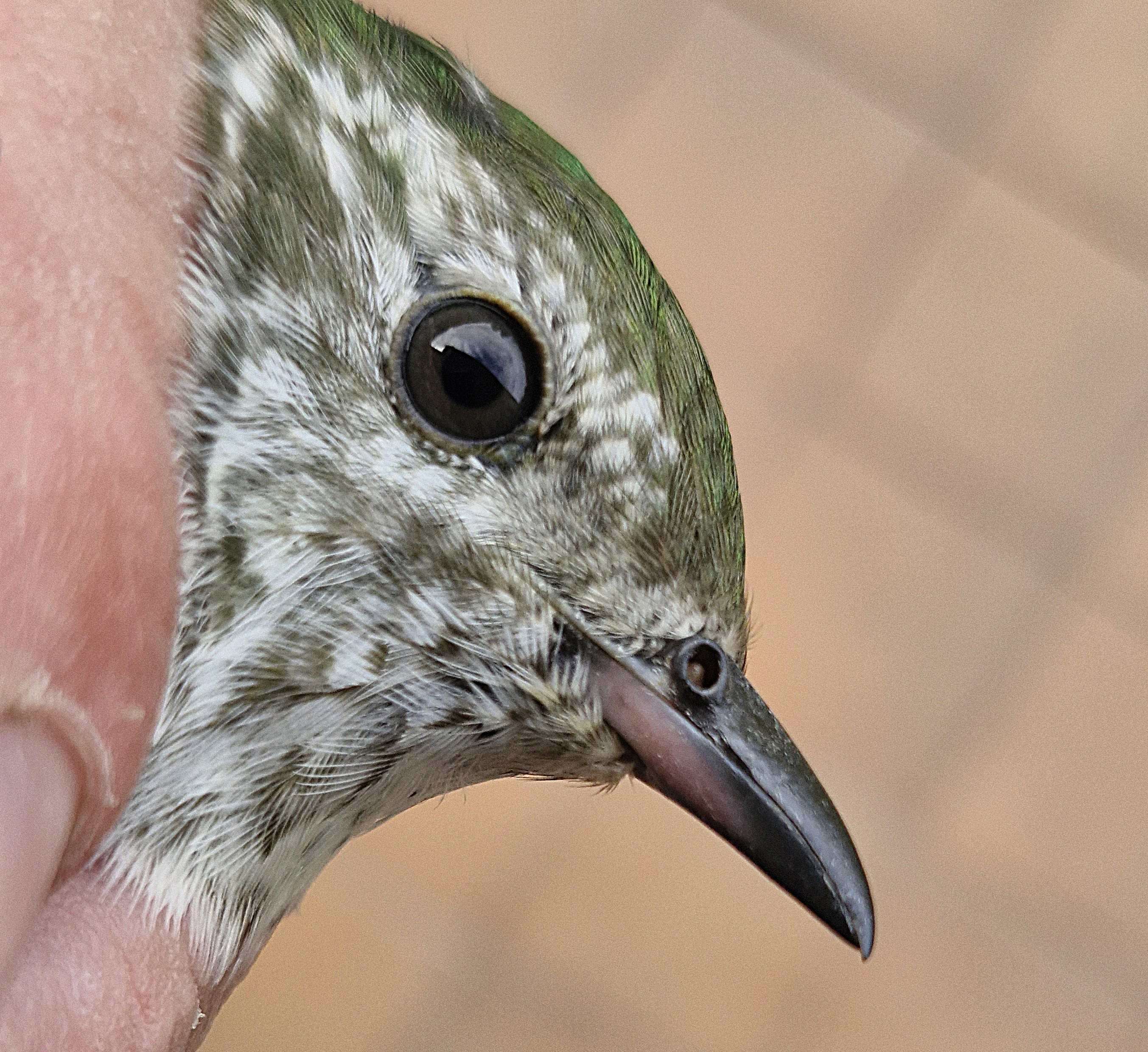
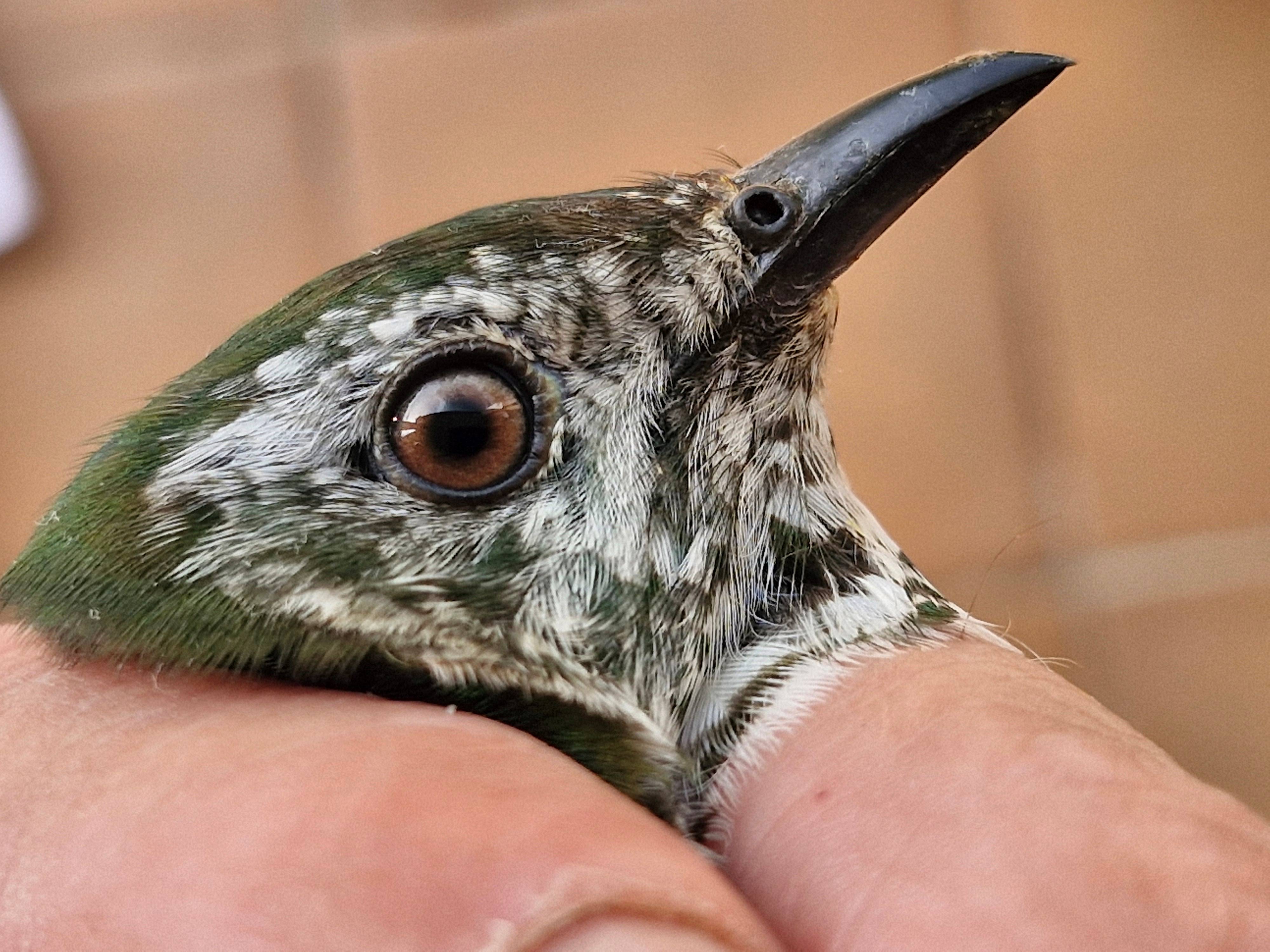
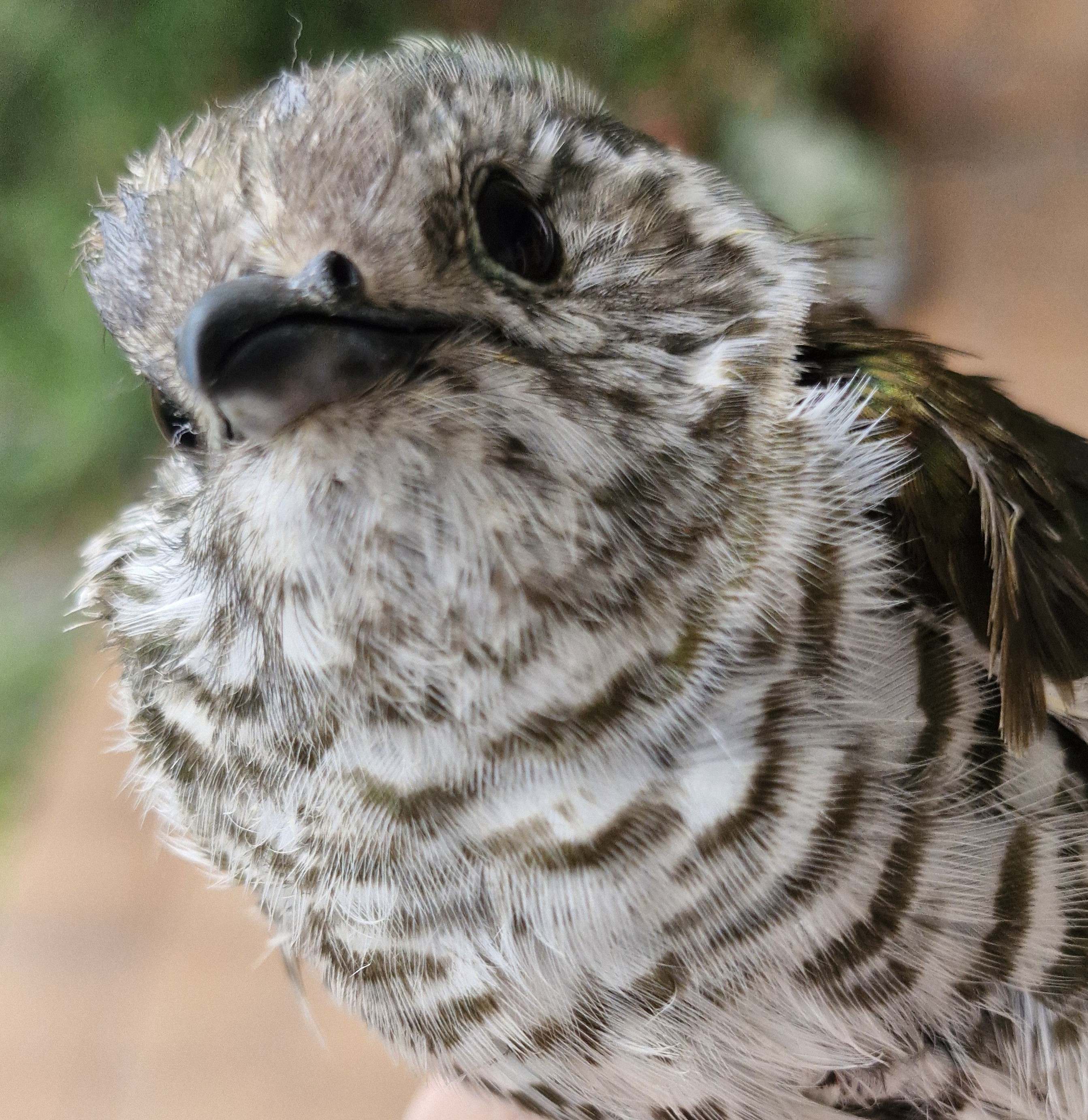
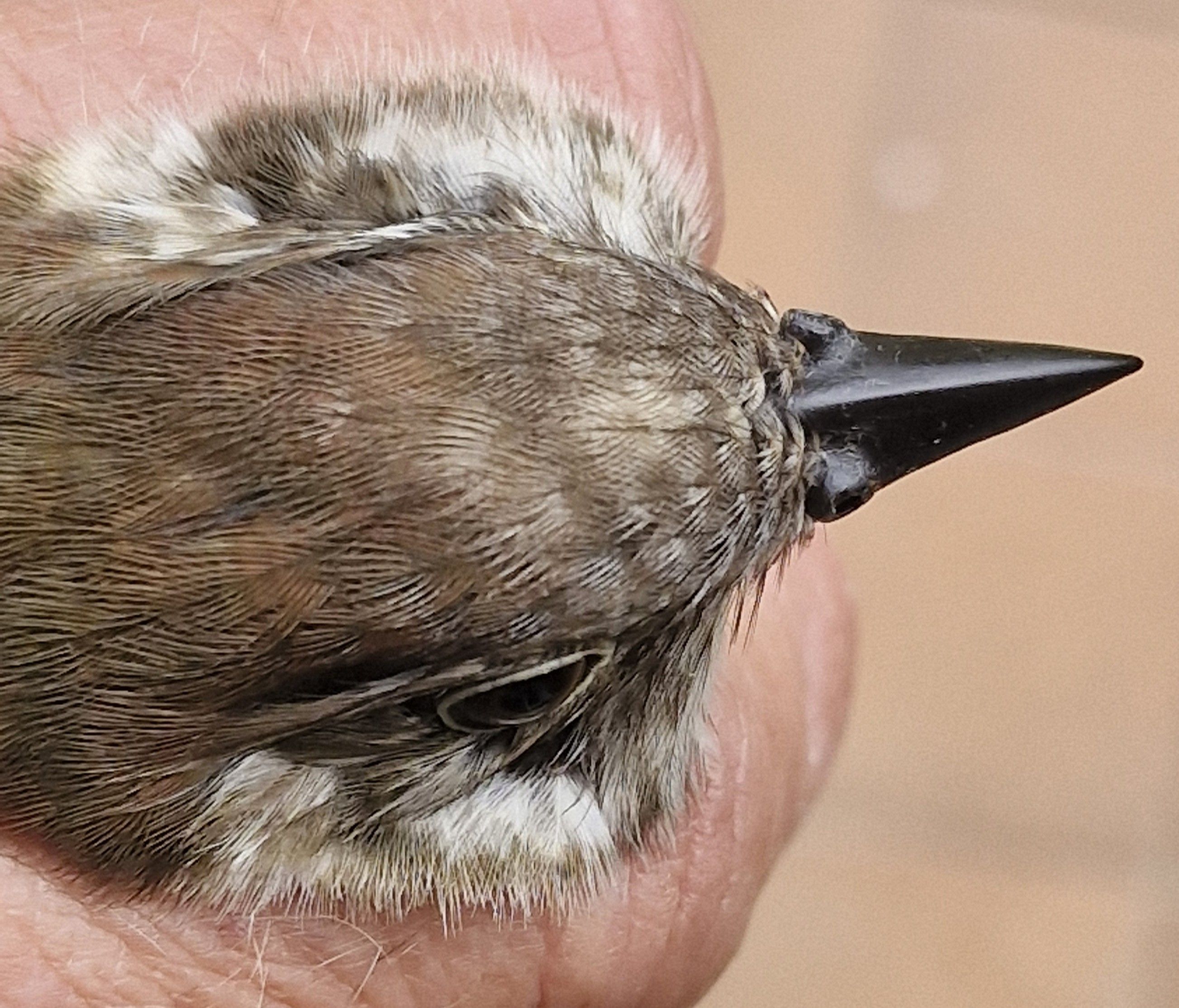
Green iridescent head with white flecks
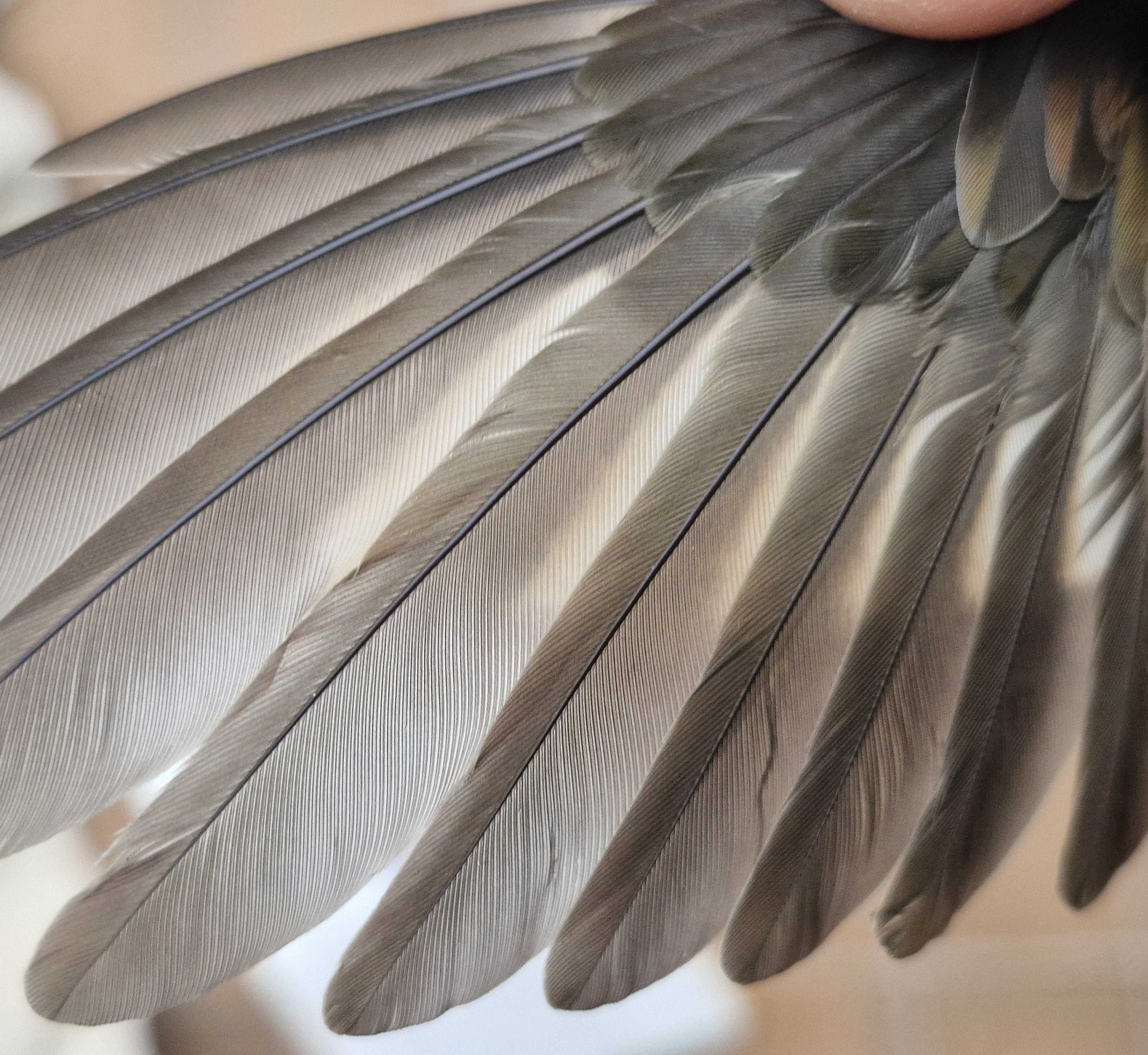
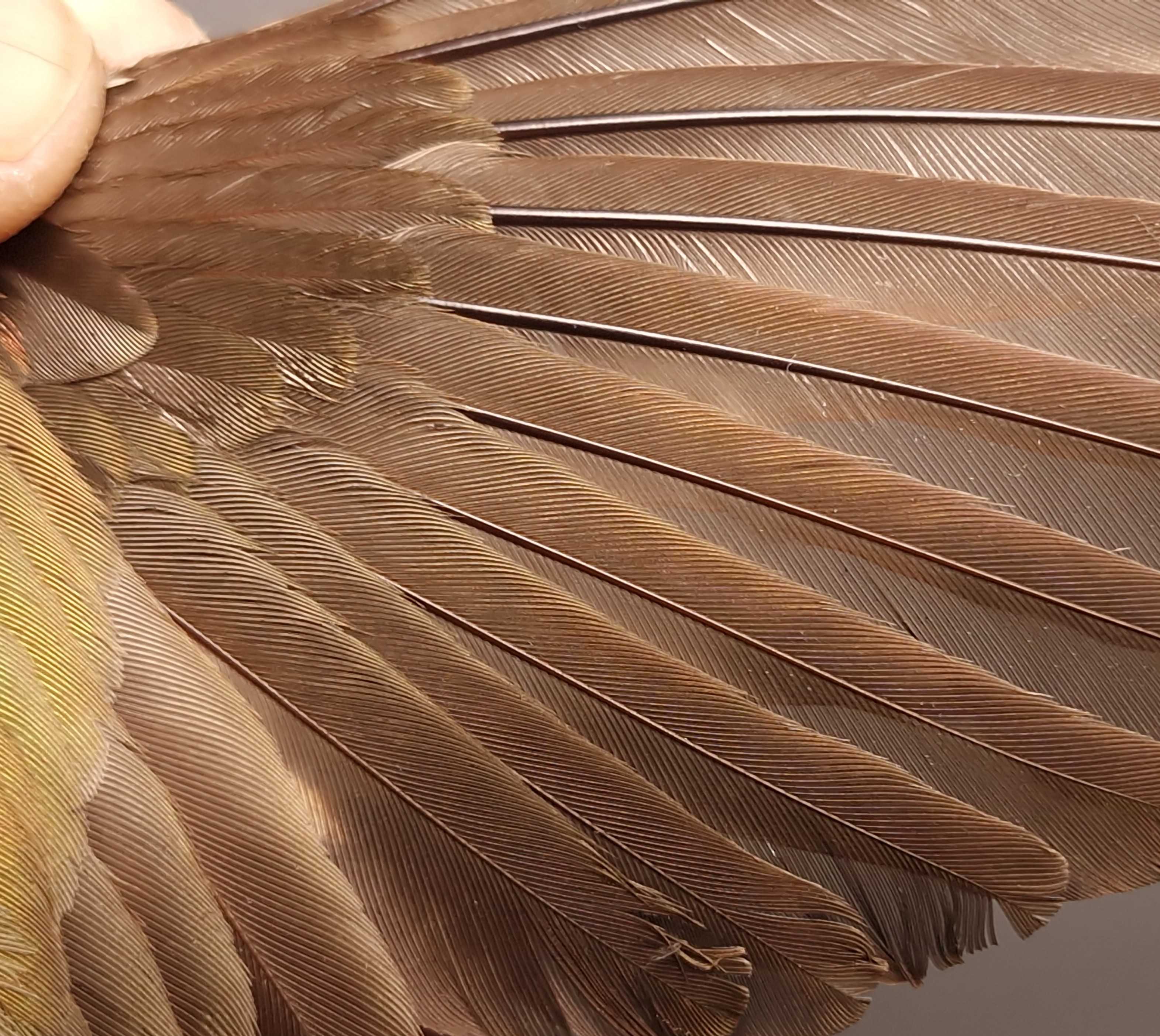
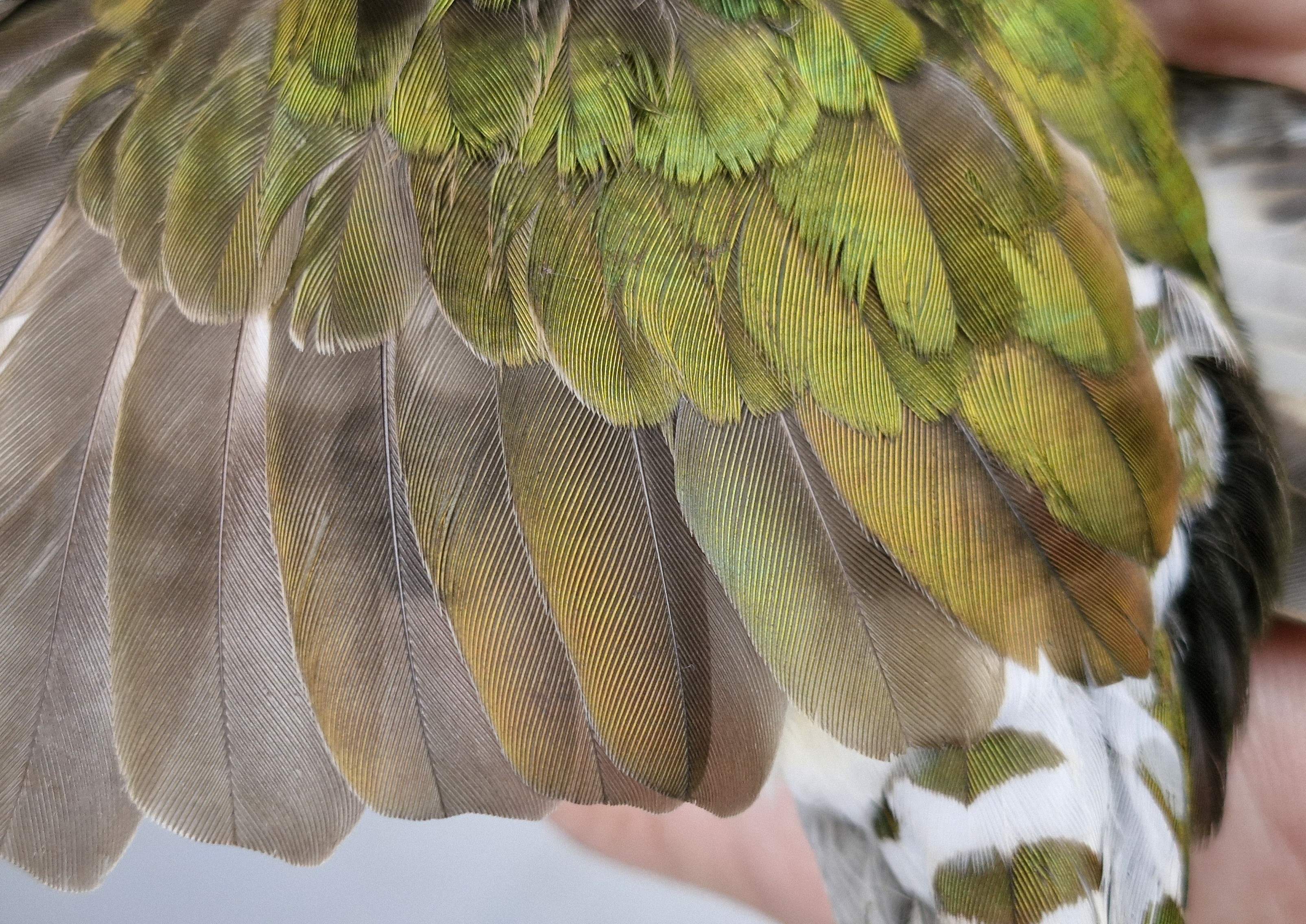
Uniform wear across primaries and coverts
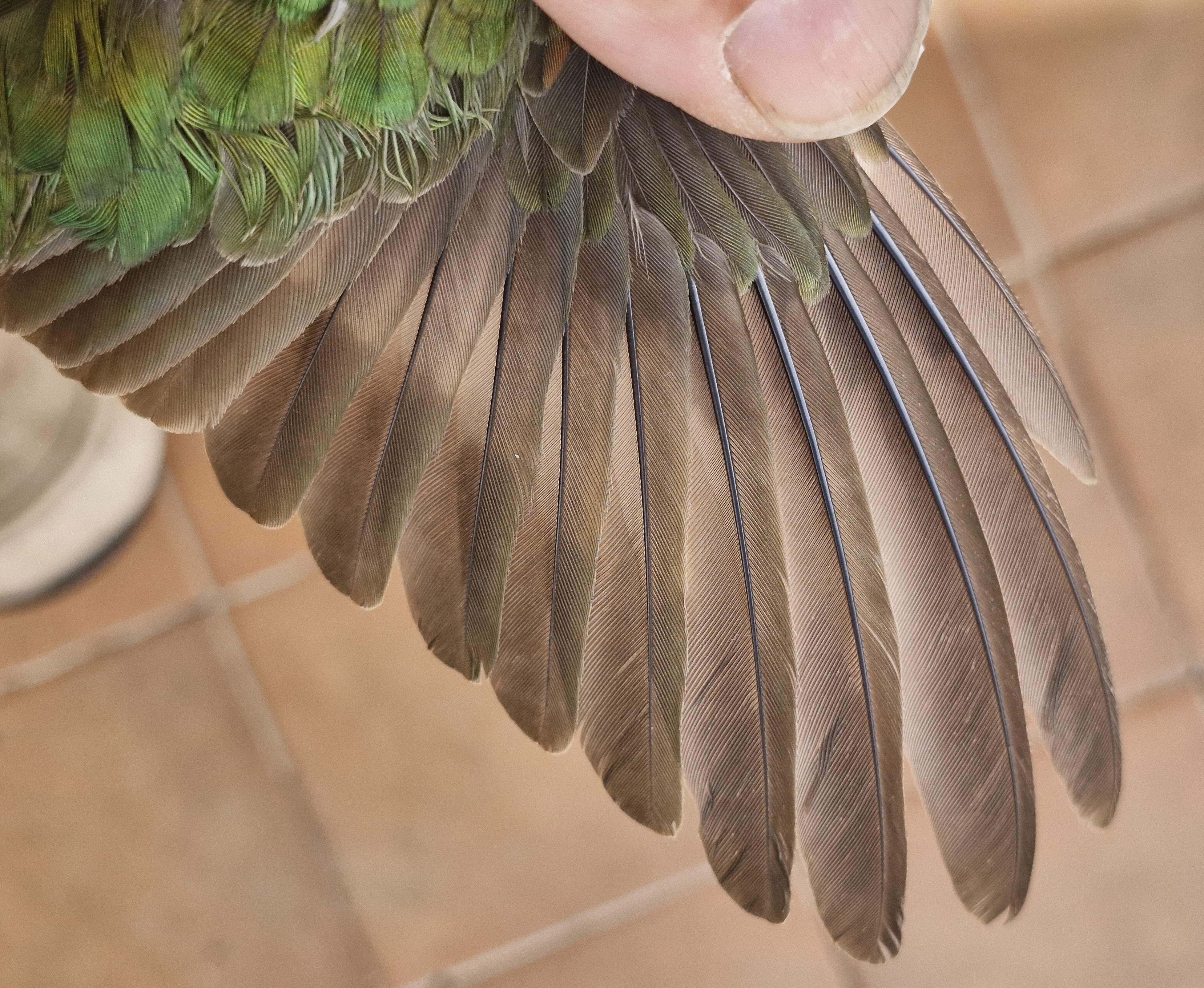
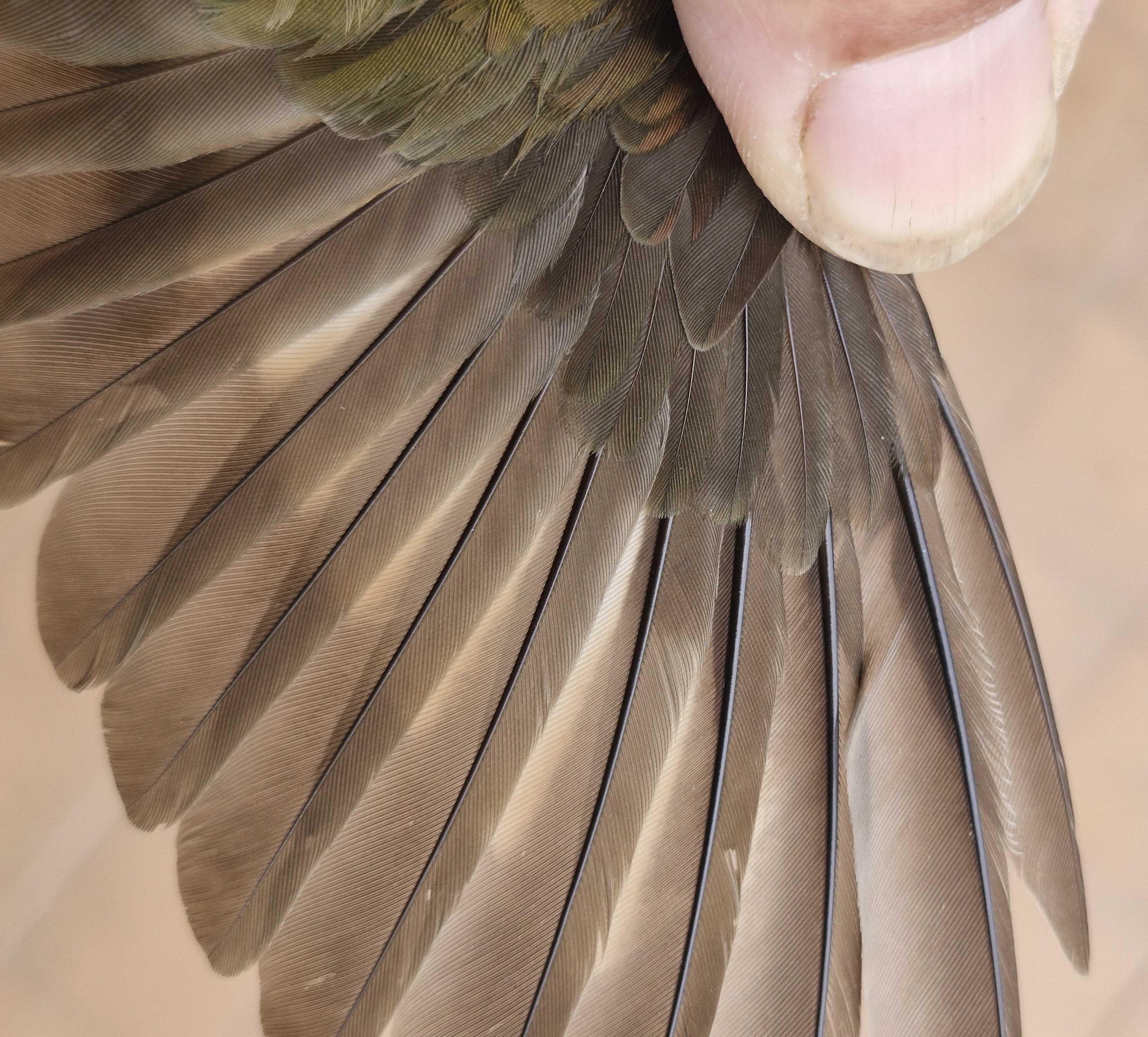
Same generation primaries with similar dark shafts and wear
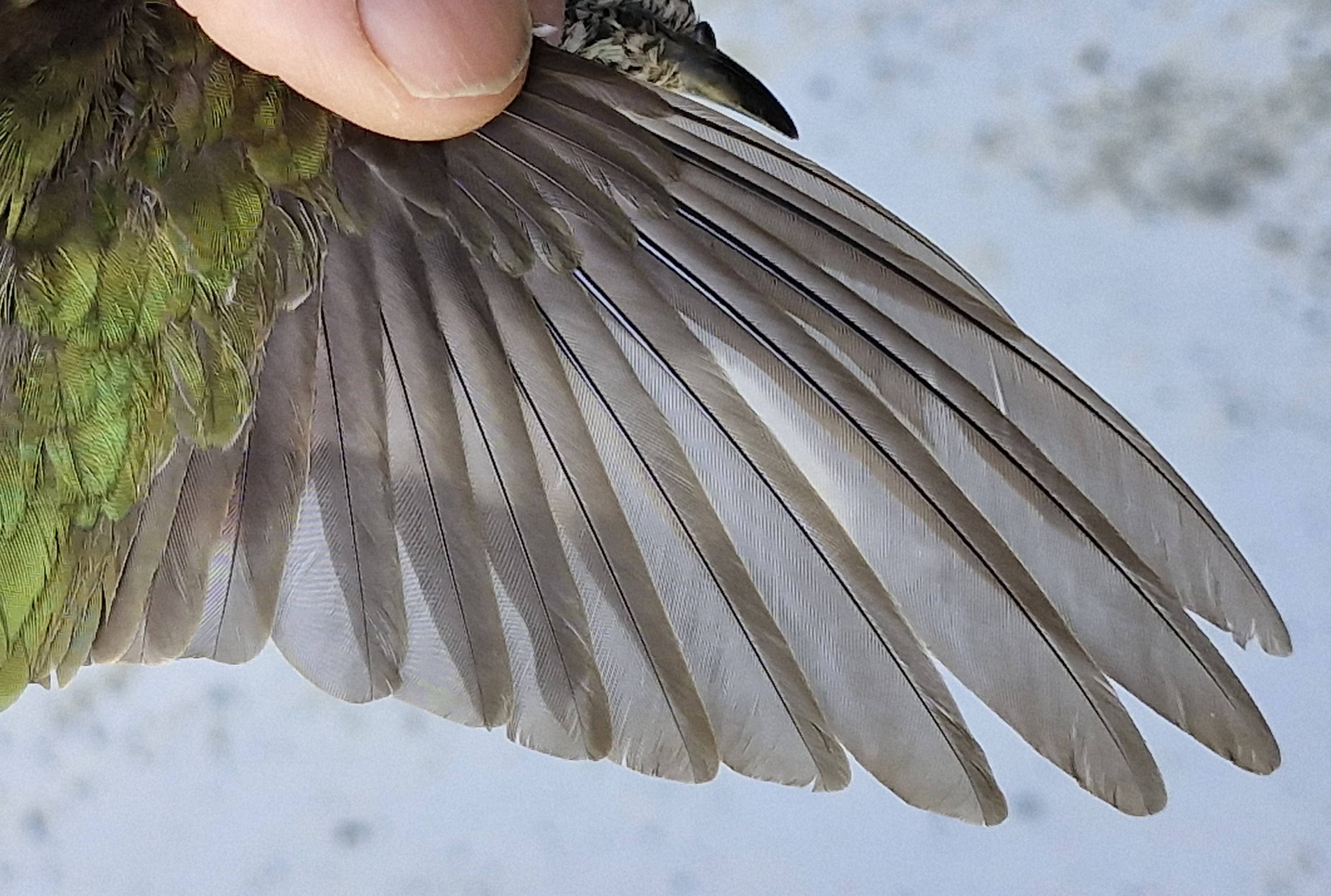
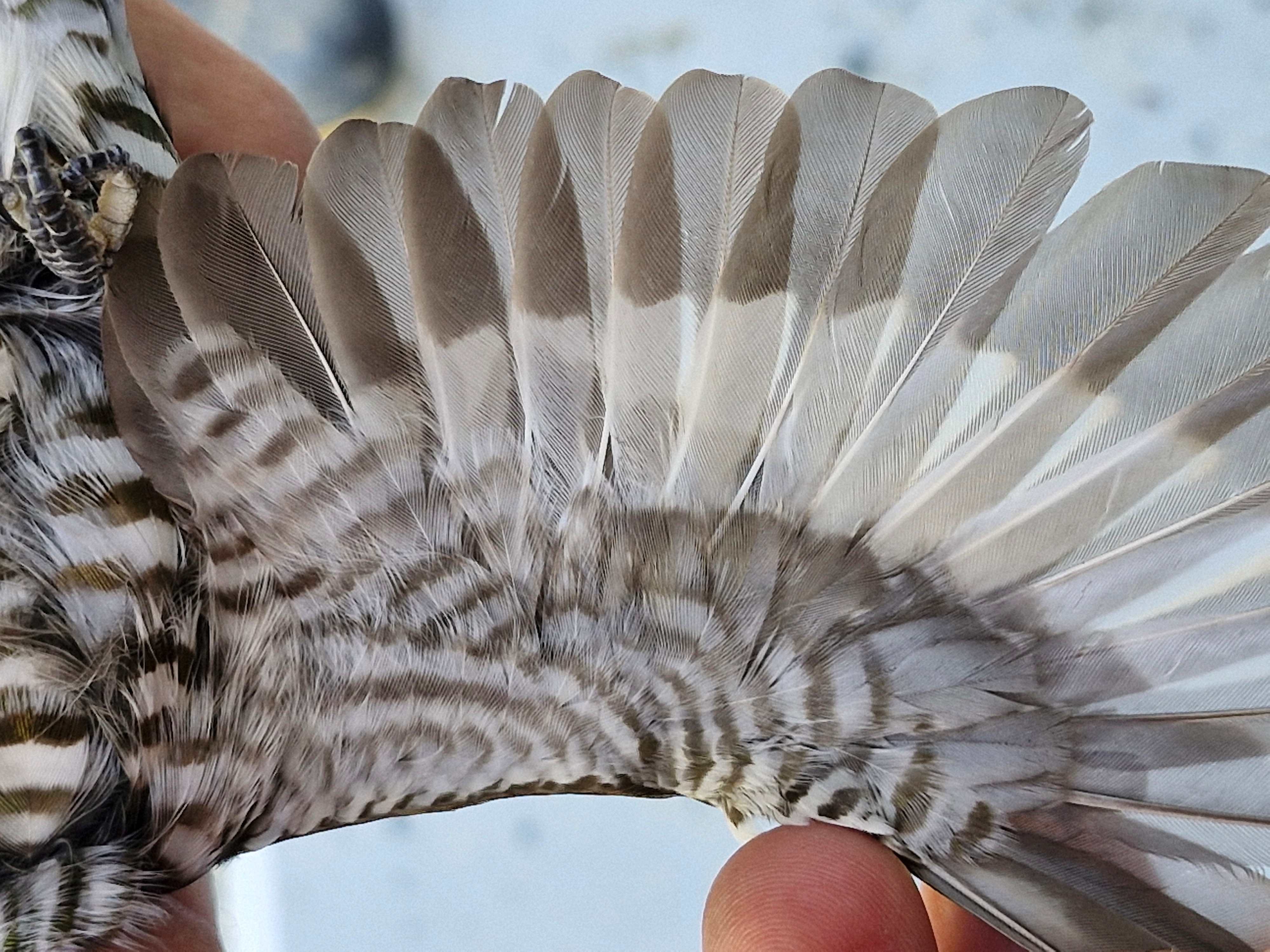
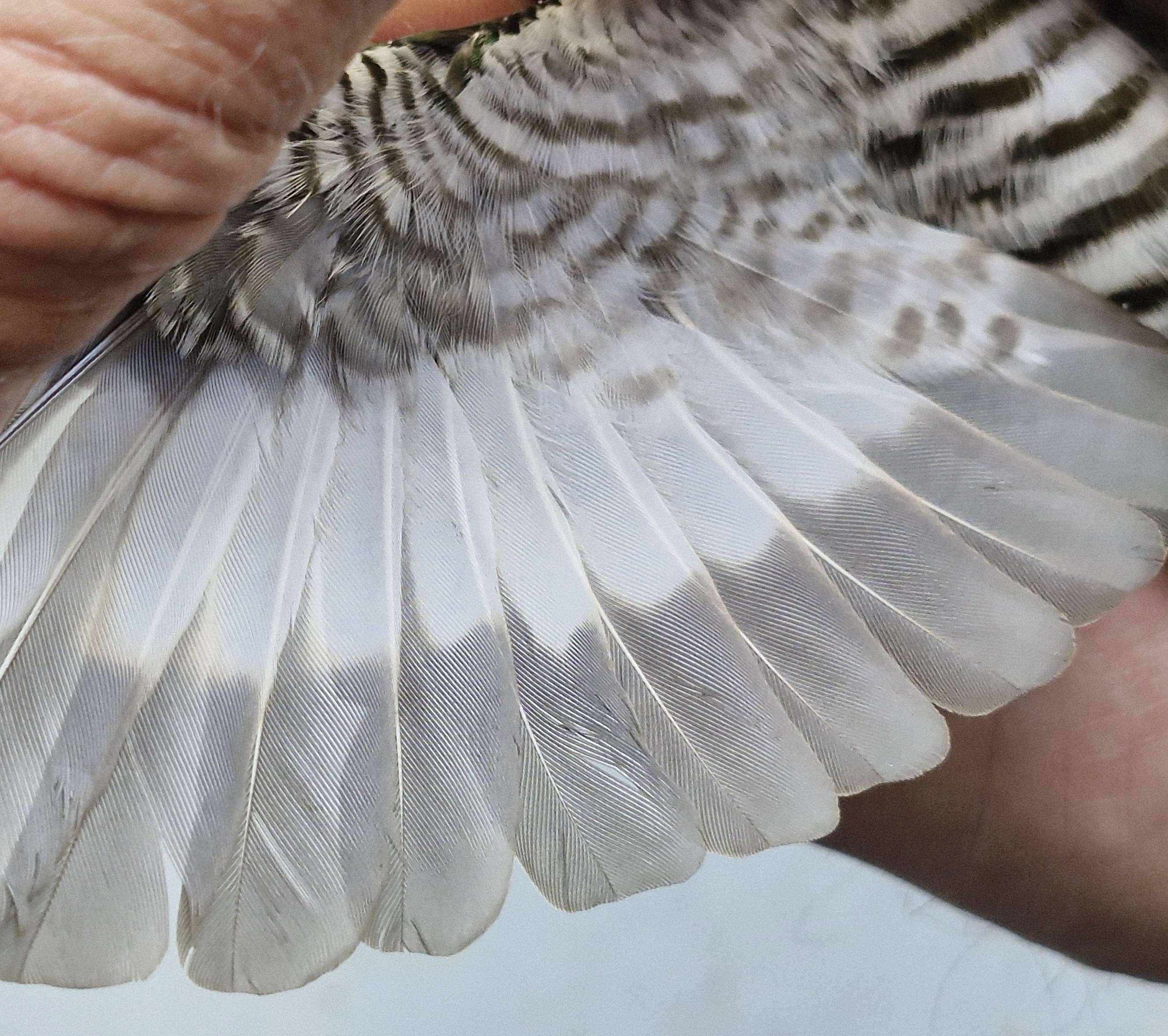
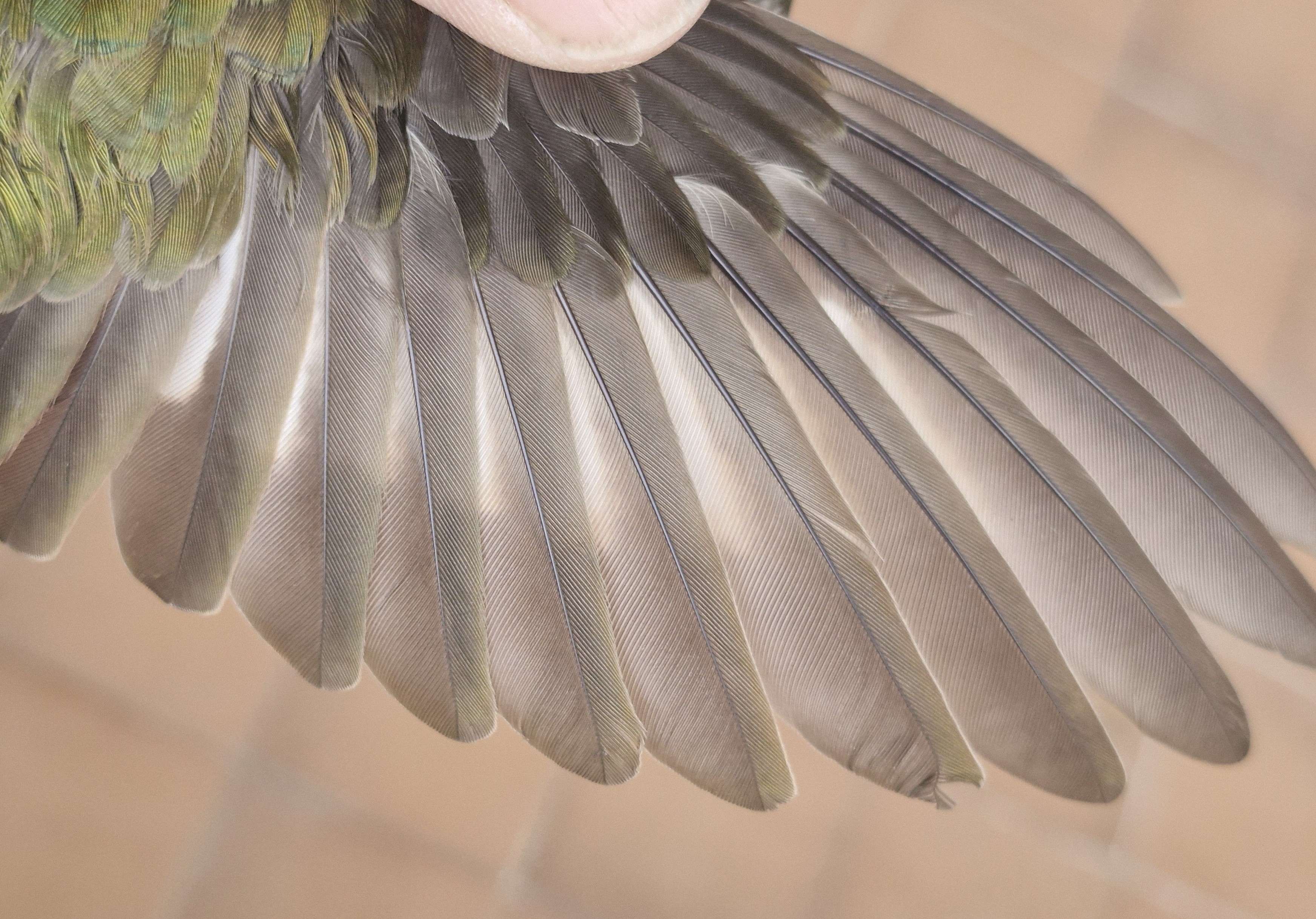
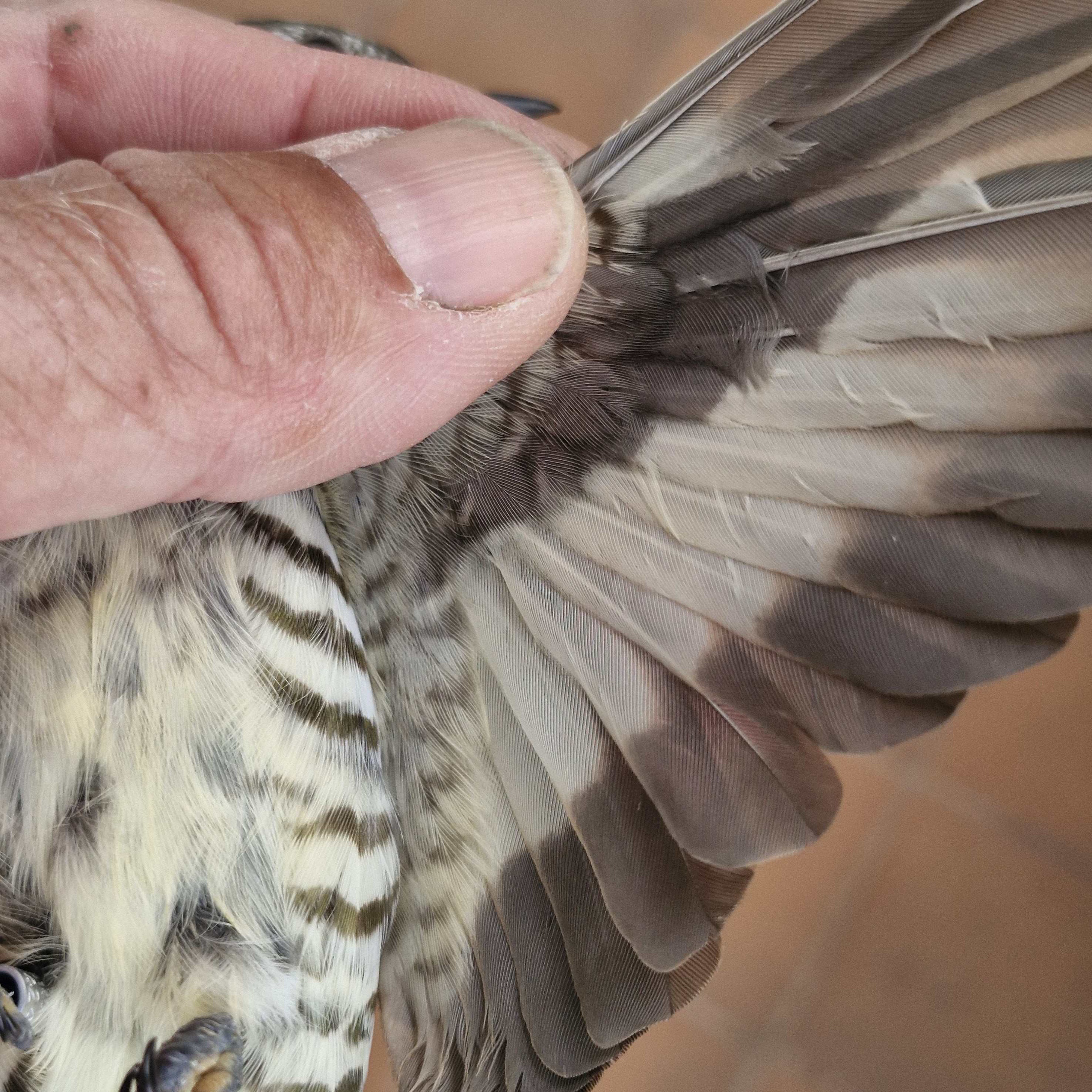
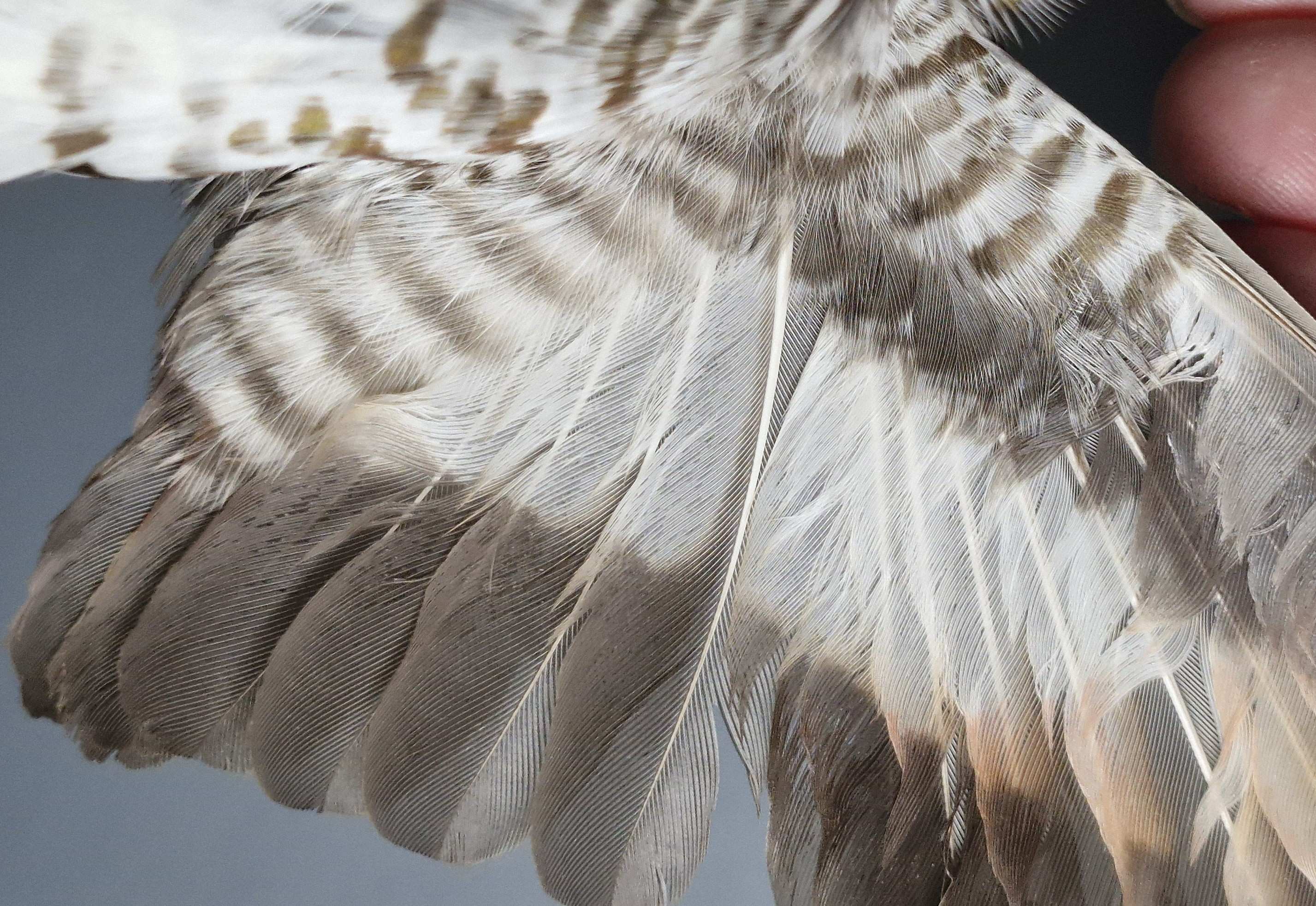
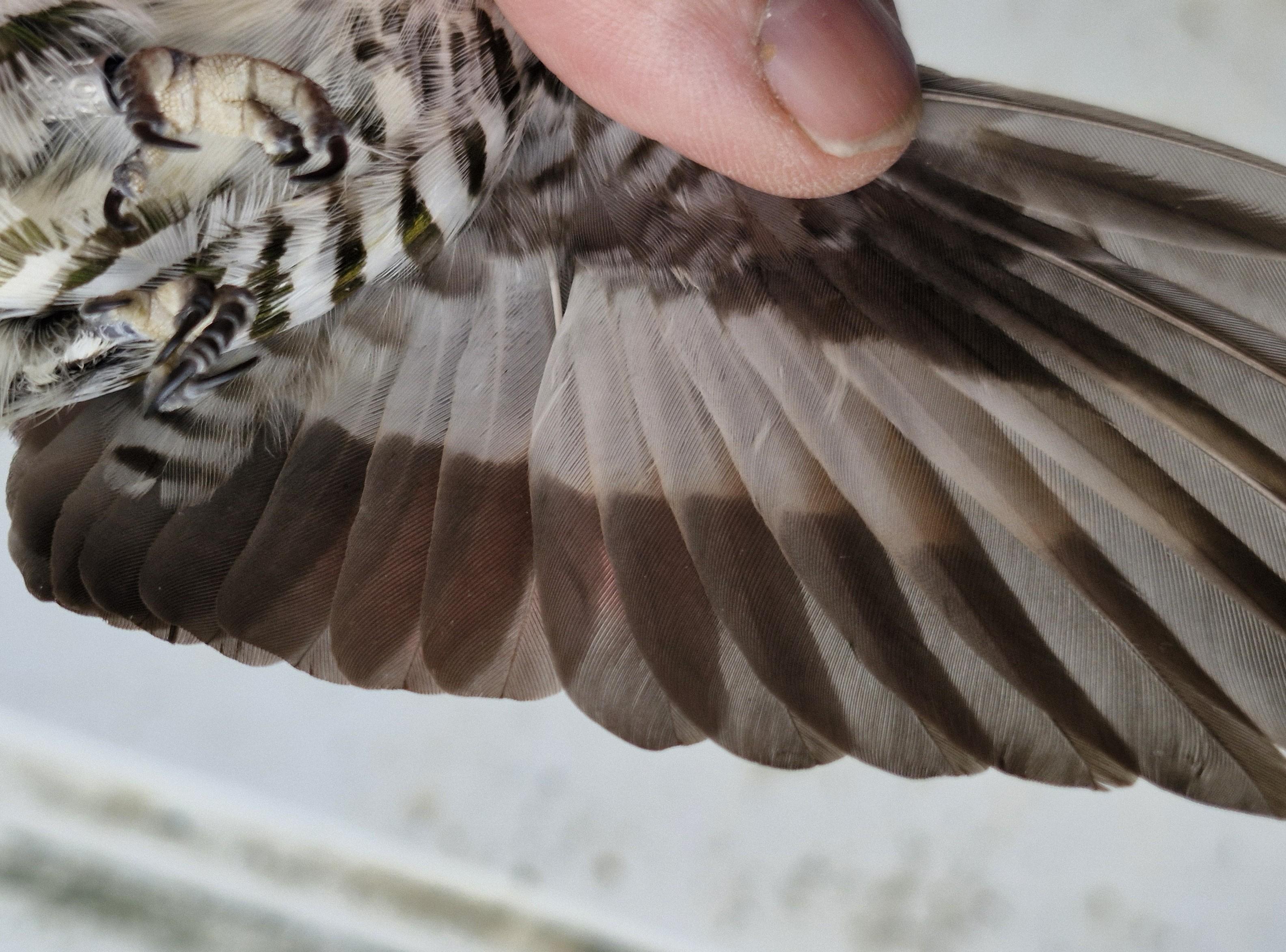
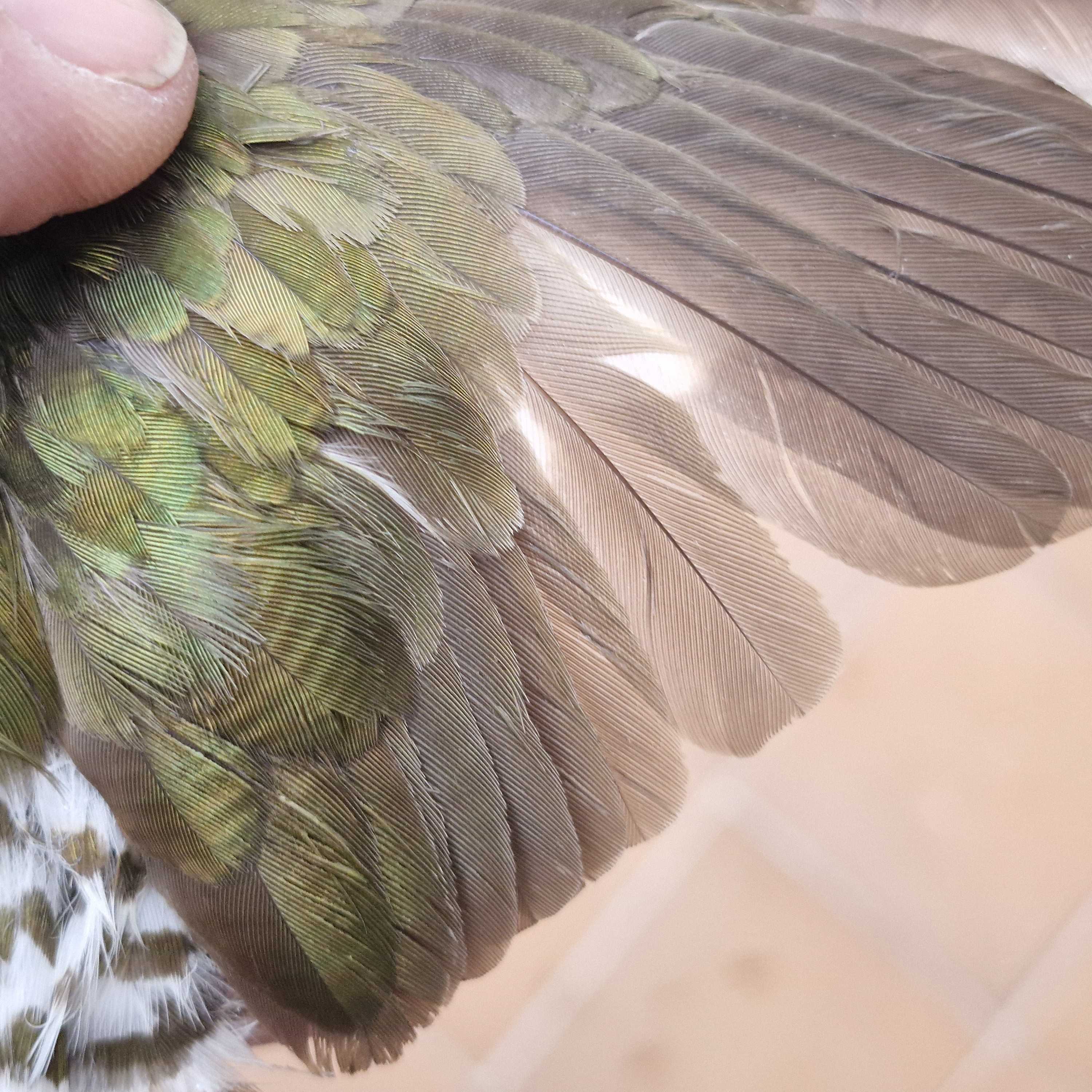
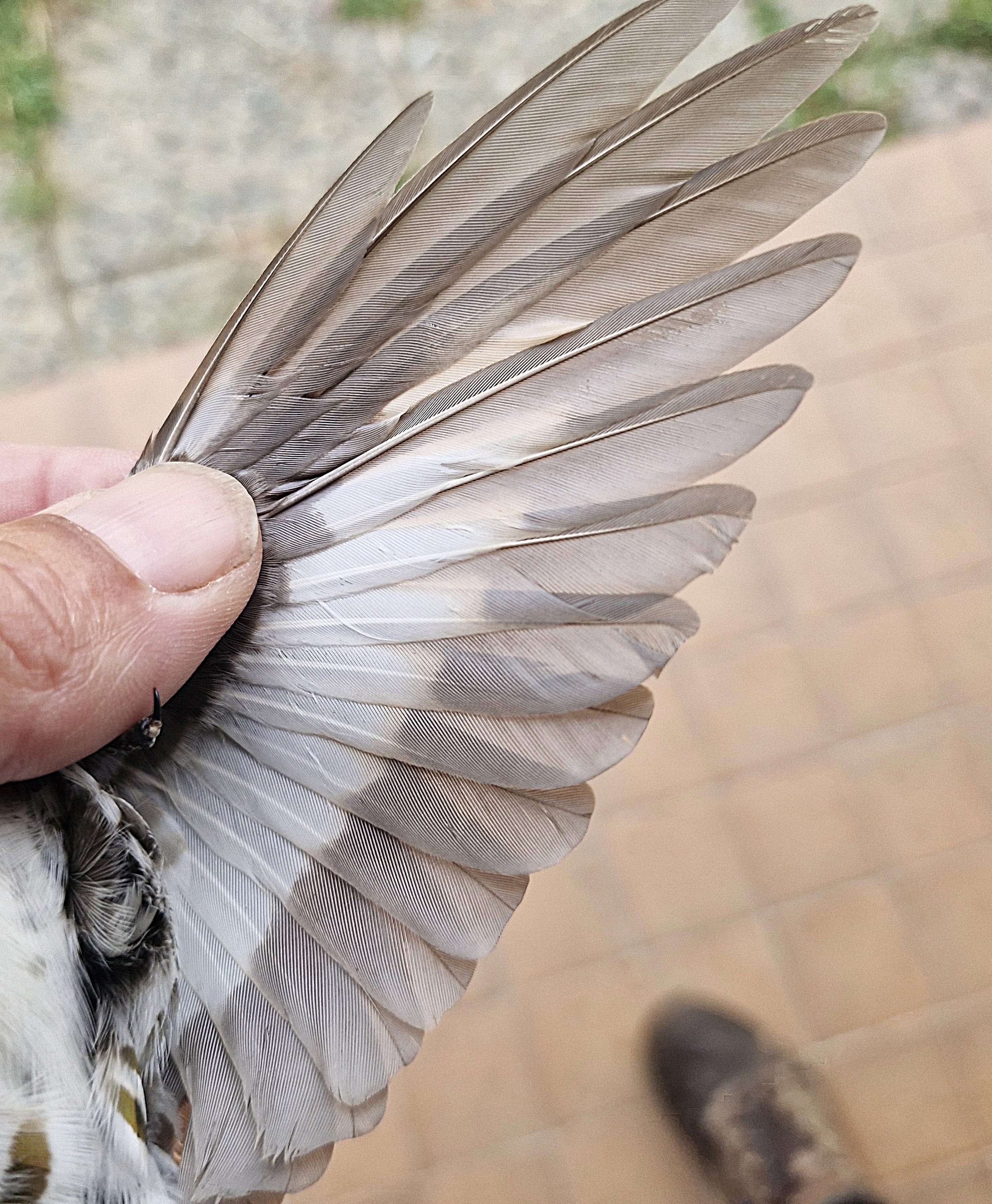
Pale grey underwing coverts
Dorsal view of white spots on rectrix R4
Notes: age (1+) uncertain with the pale lower mandible and head moult around the orbital in October
BP29402 Female age 1+, Nelson, October 2025
Bronze tinge flecks on head
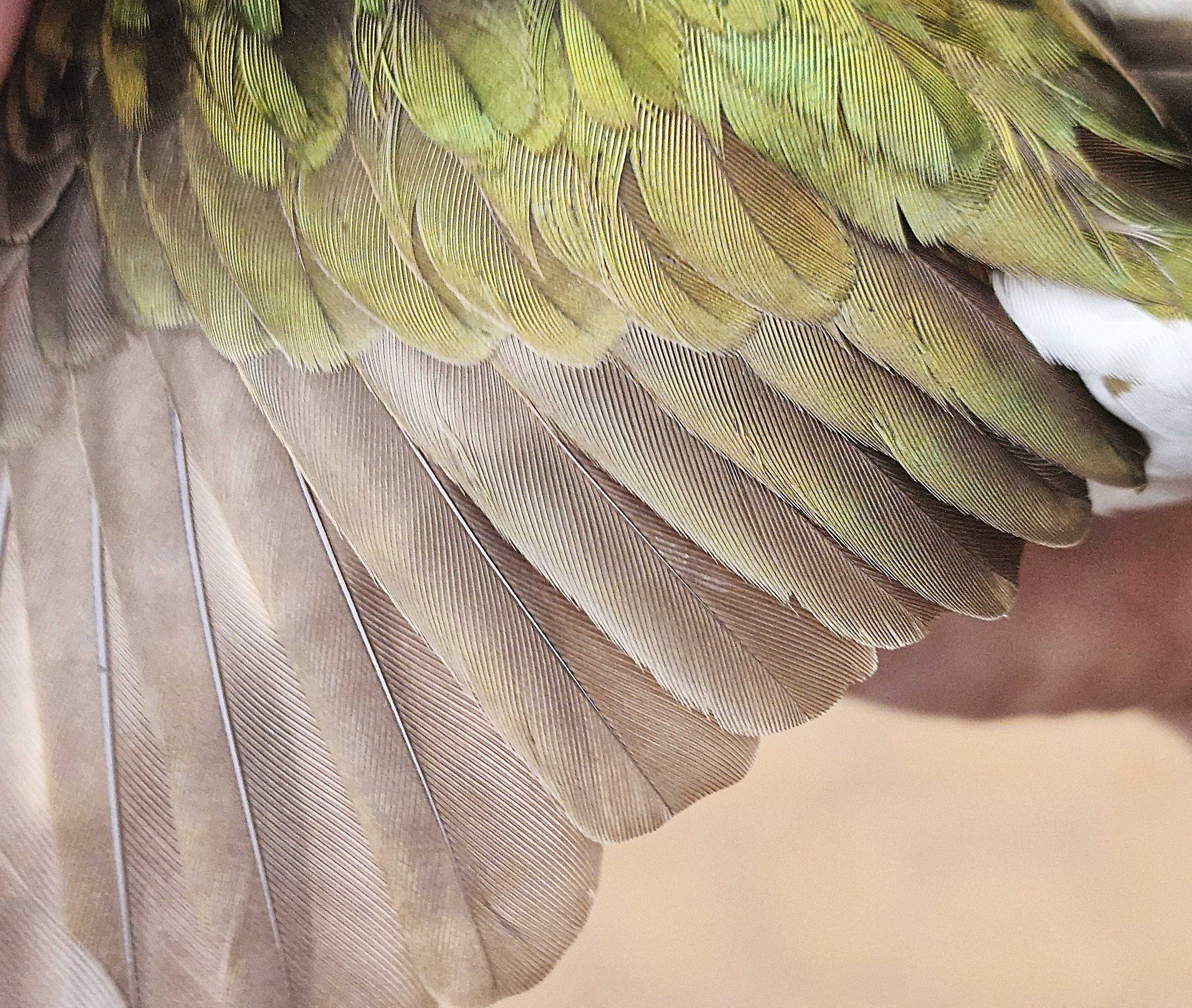
Secondaries and tertials similar feather wear
Pale grey underwing coverts
Dorsal view of rufus flashes on rectrix R4
Notes: potentially a second year bird with lower mandible partially melanised and patchy head plumage
BP29441 Juvenile Female, Nelson, Janauary 2026
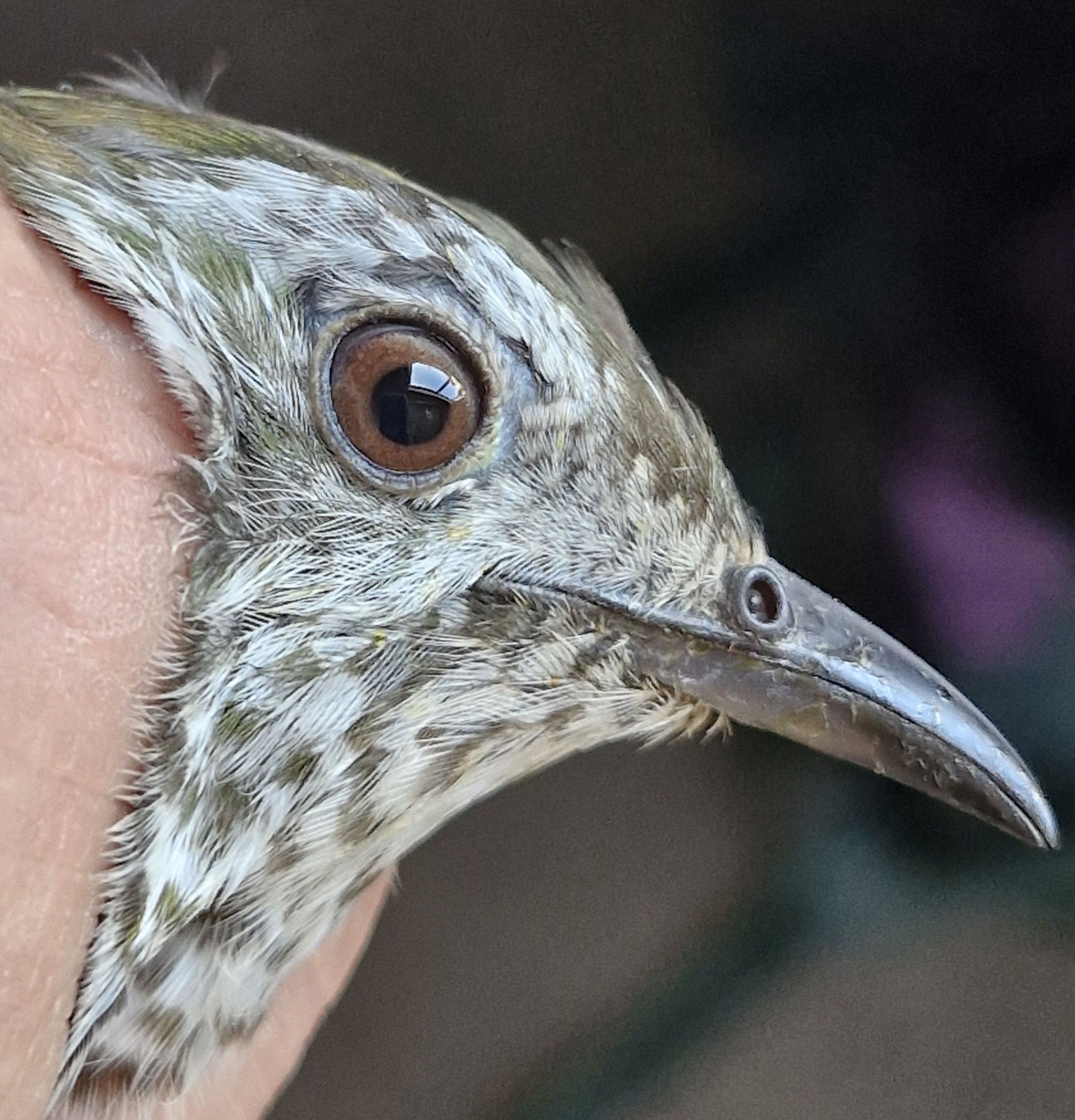
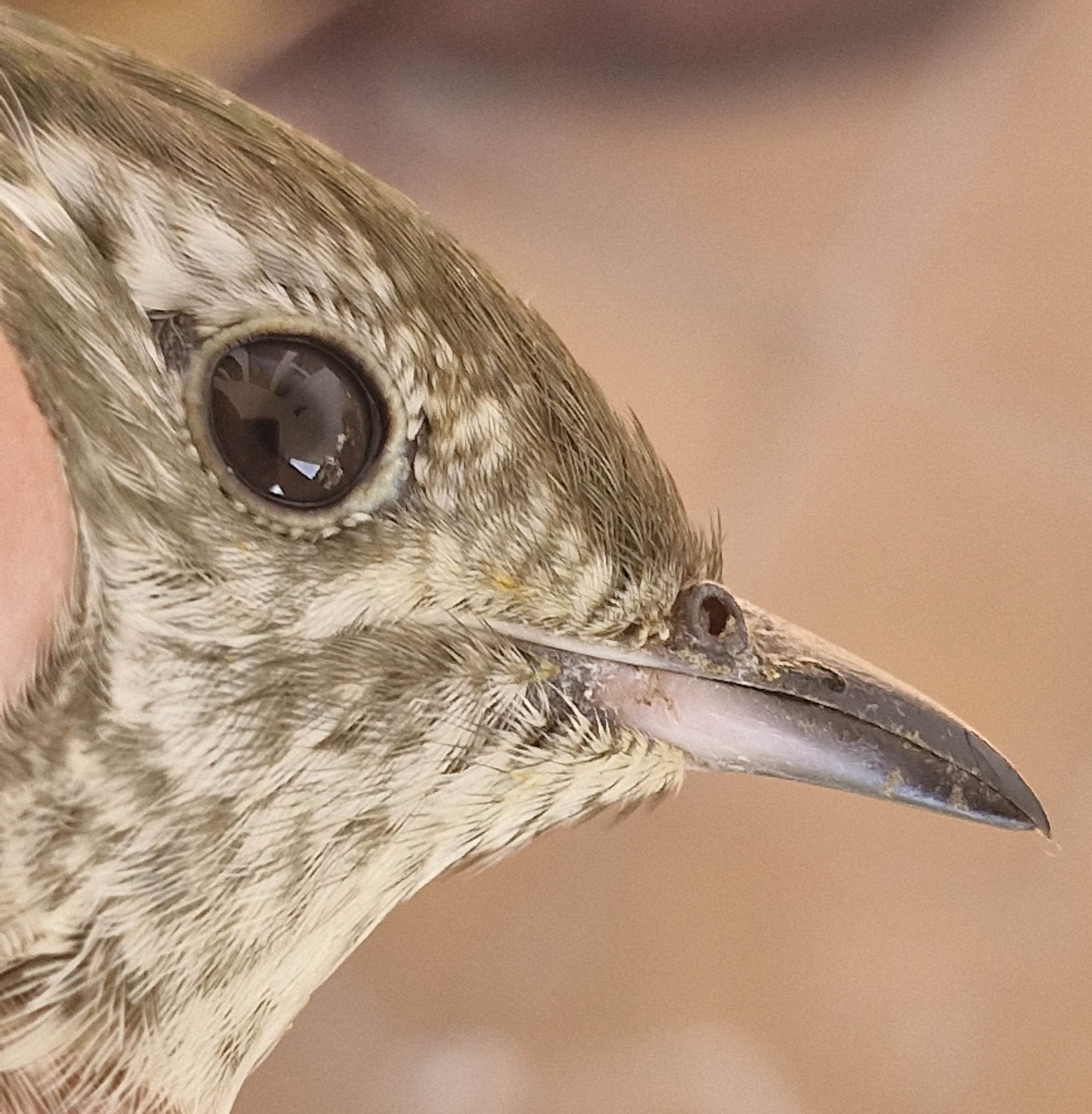
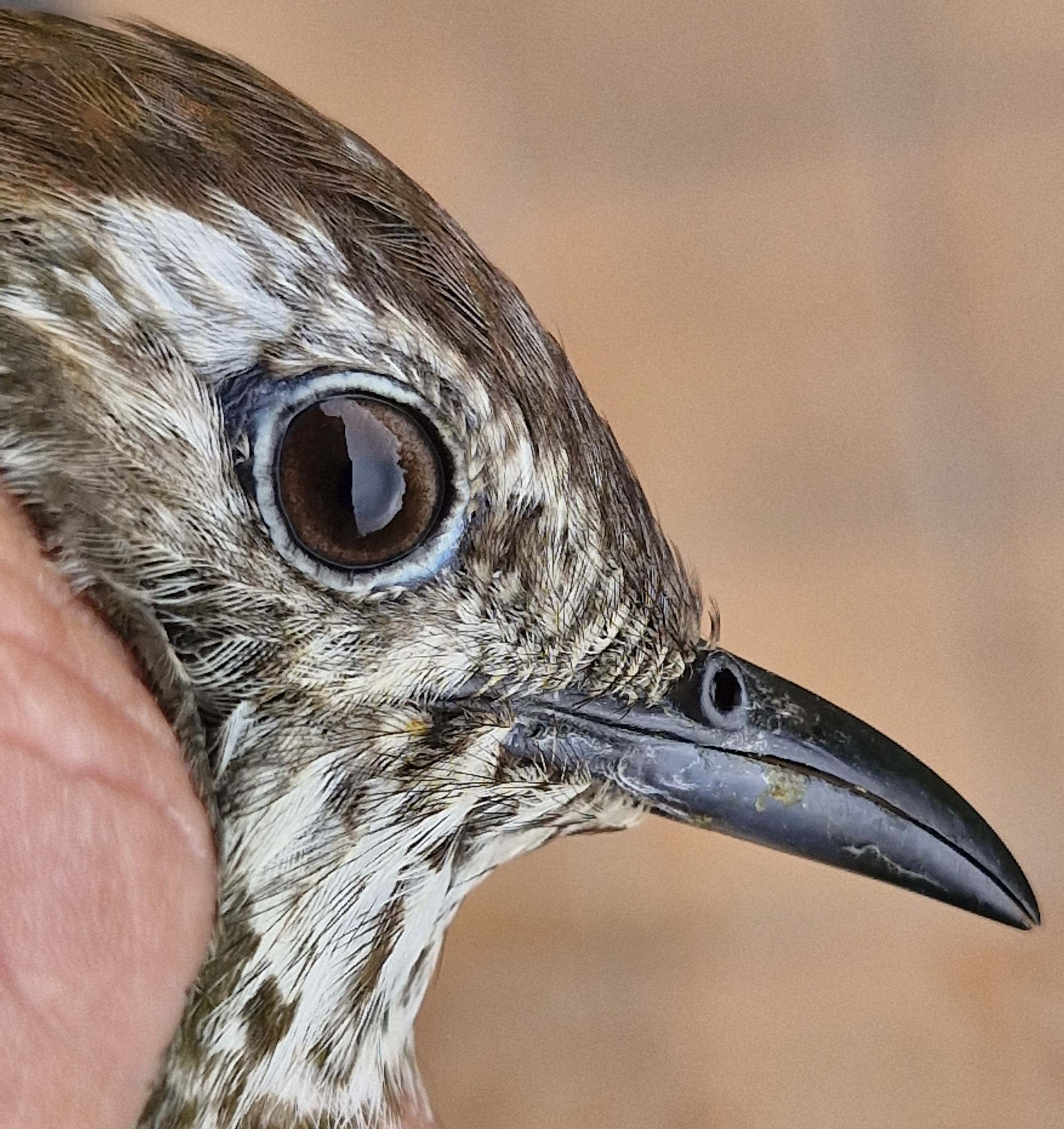
Dark iris colour, partially melanised lower mandible and pale yellow-grey gape and orbital ring
Fresh primary coverts and primaries with unifom wear
Dark brown underwing coverts
Ventral rufus flashes on rectrix R4
Dorsal faint rufus flash on rectrix R4
Brown tinges to head, no white flecks
Notes: juvenile with pale lime yellow tinge to underbelly and less distinct bars from chest to the throat
BP29424 Juvenile Male, Nelson, Janauary 2026
Dark iris colour, partially melanised lower mandible green tinged head
Fresh primary coverts and primaries with unifom wear
Dark grey underwing coverts
Ventral white spots on retrix R4
Dorsal white spots on rectrix R4
Green tinges to head with fine white fleck
Notes: juvenile with pale lime yellow tinge to underbelly and less distinct bars from chest to the throat
Examples of standard lighting photographs (window strike cuckoo)
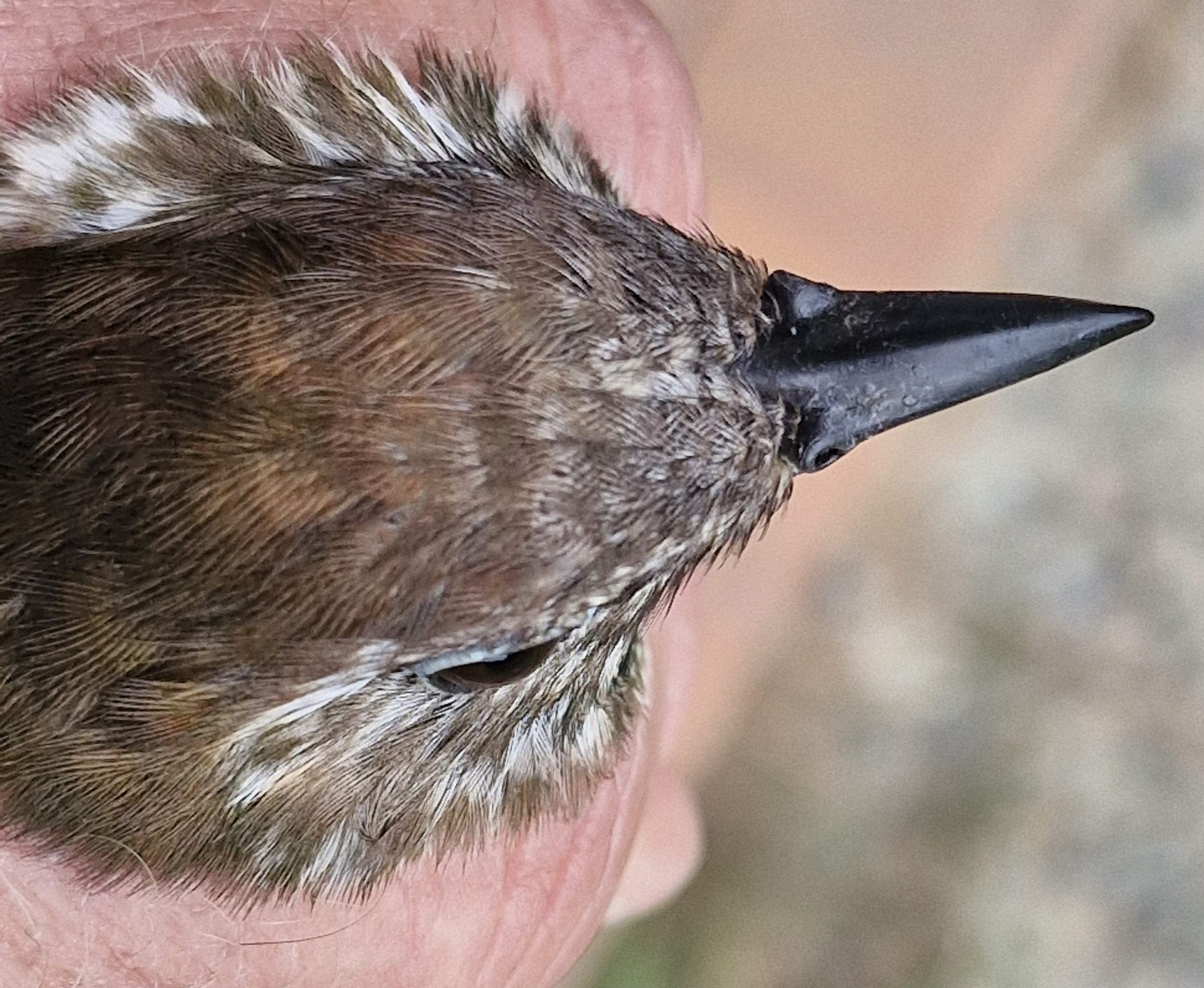
Iridescent bronze head and nape, fully dark melanised bill
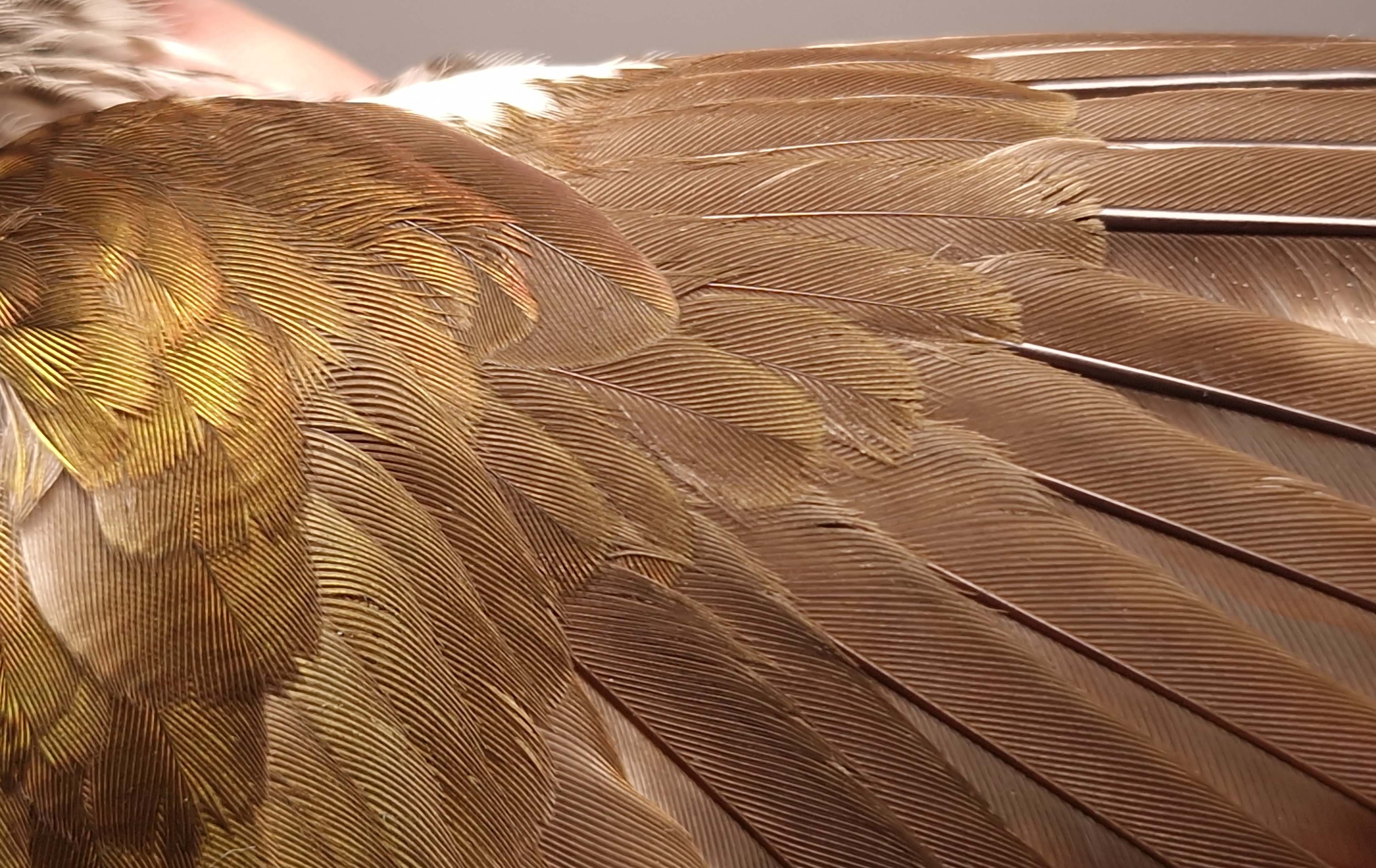
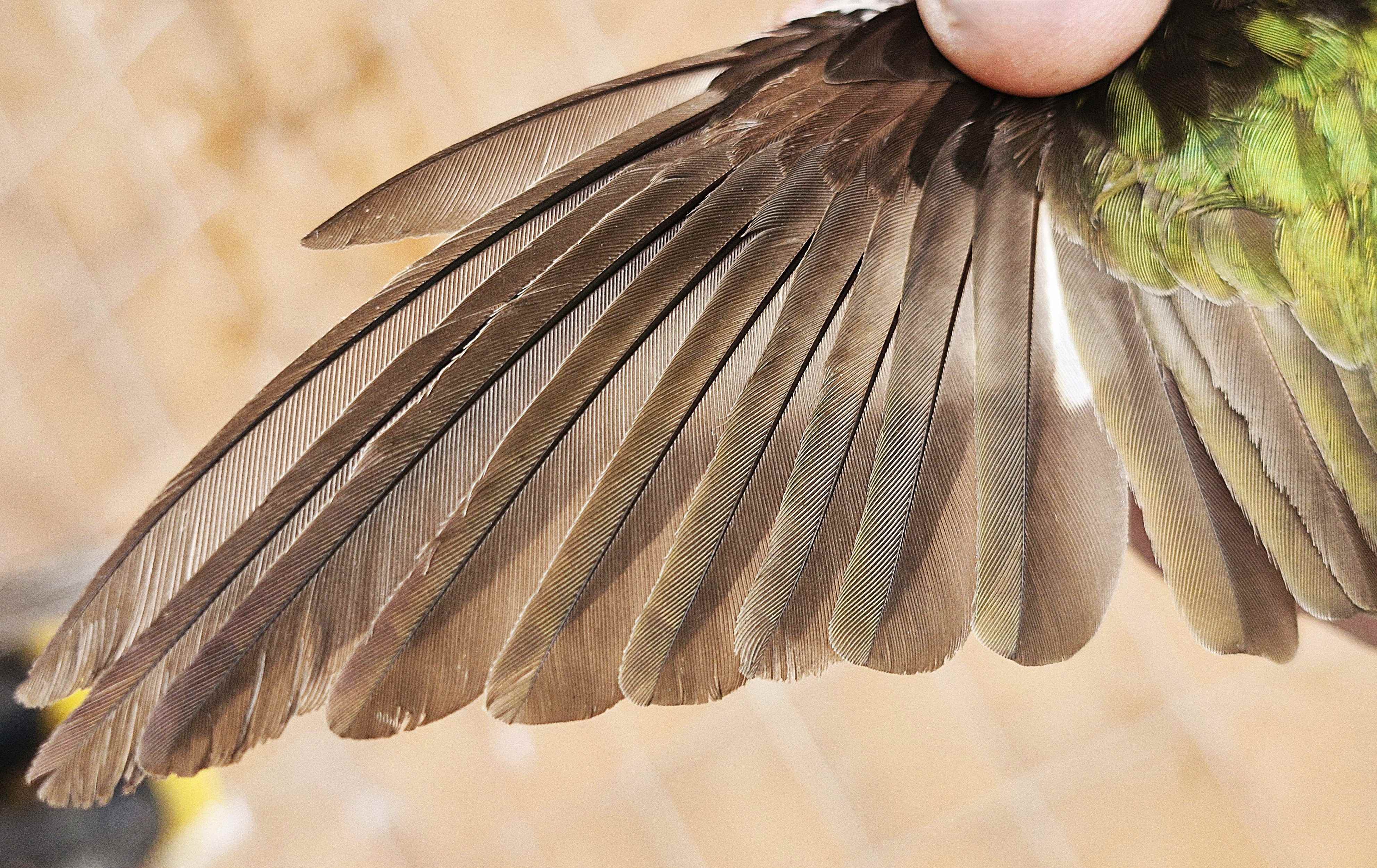
Left wing secondaries and greater coverts
Right wing secondaries and greater coverts
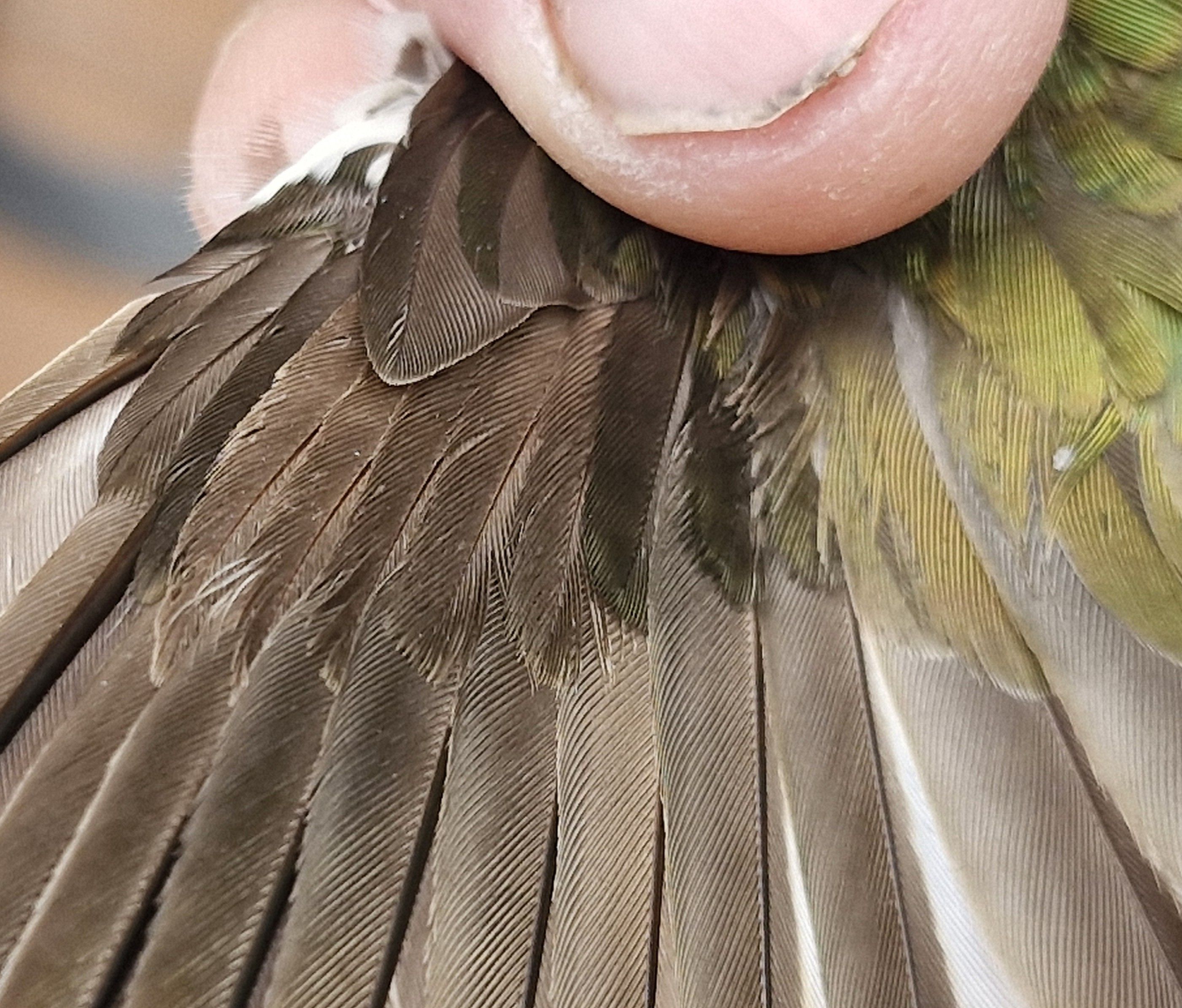
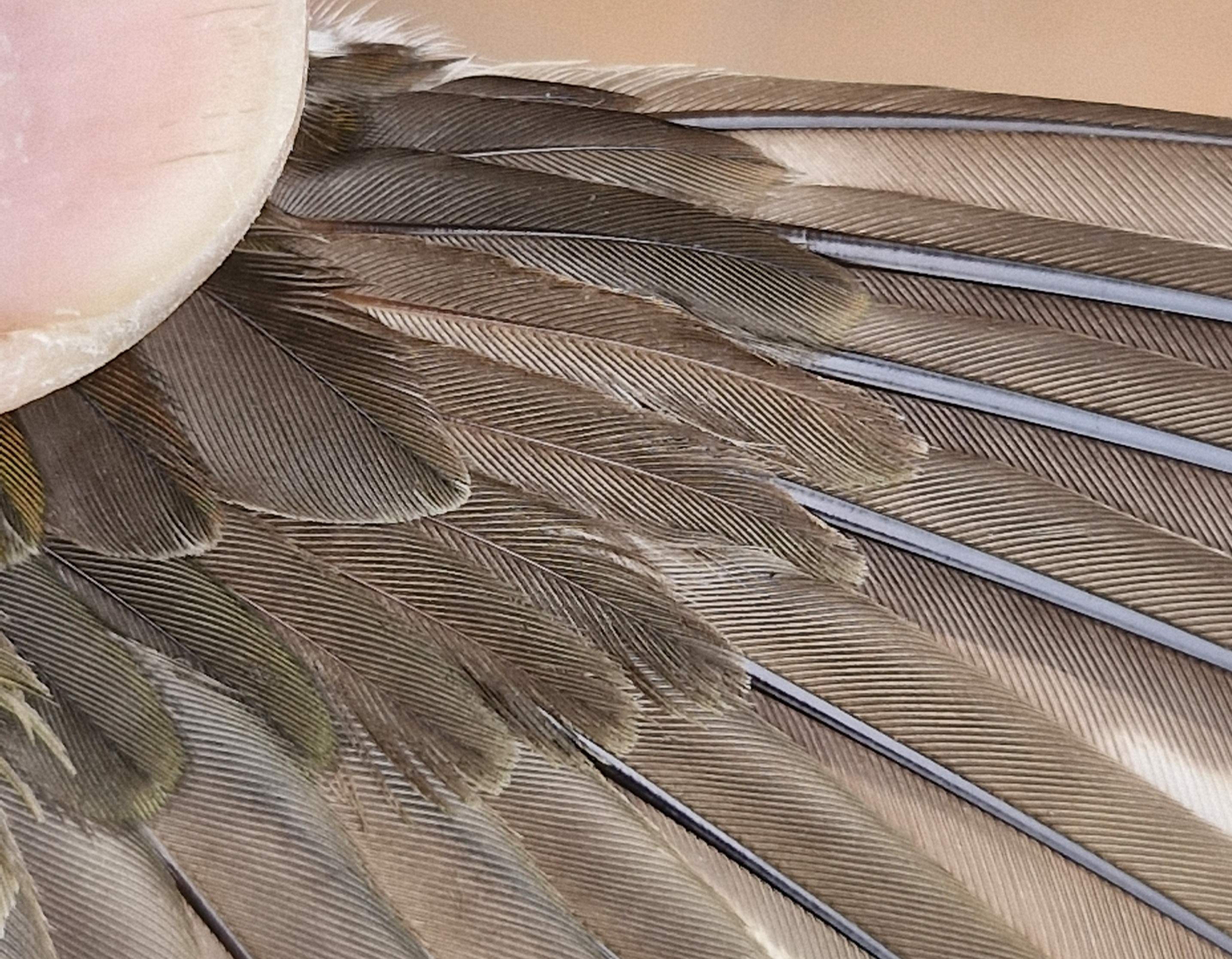
Primary coverts and primaries
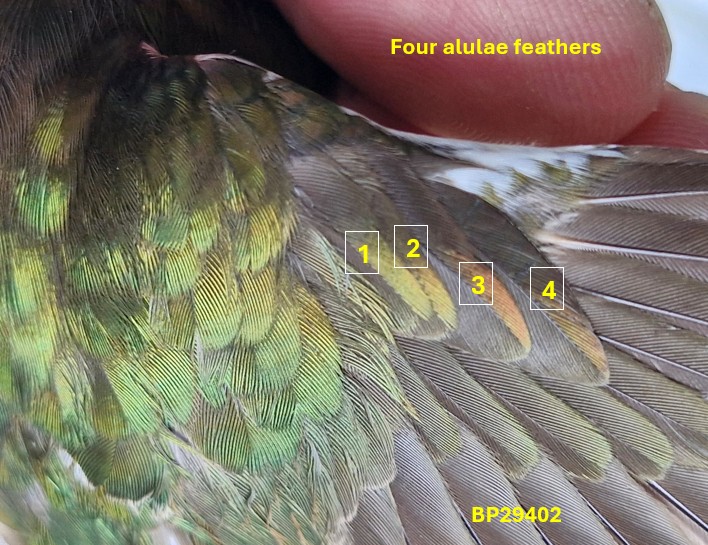
Primary coverts and four alulae
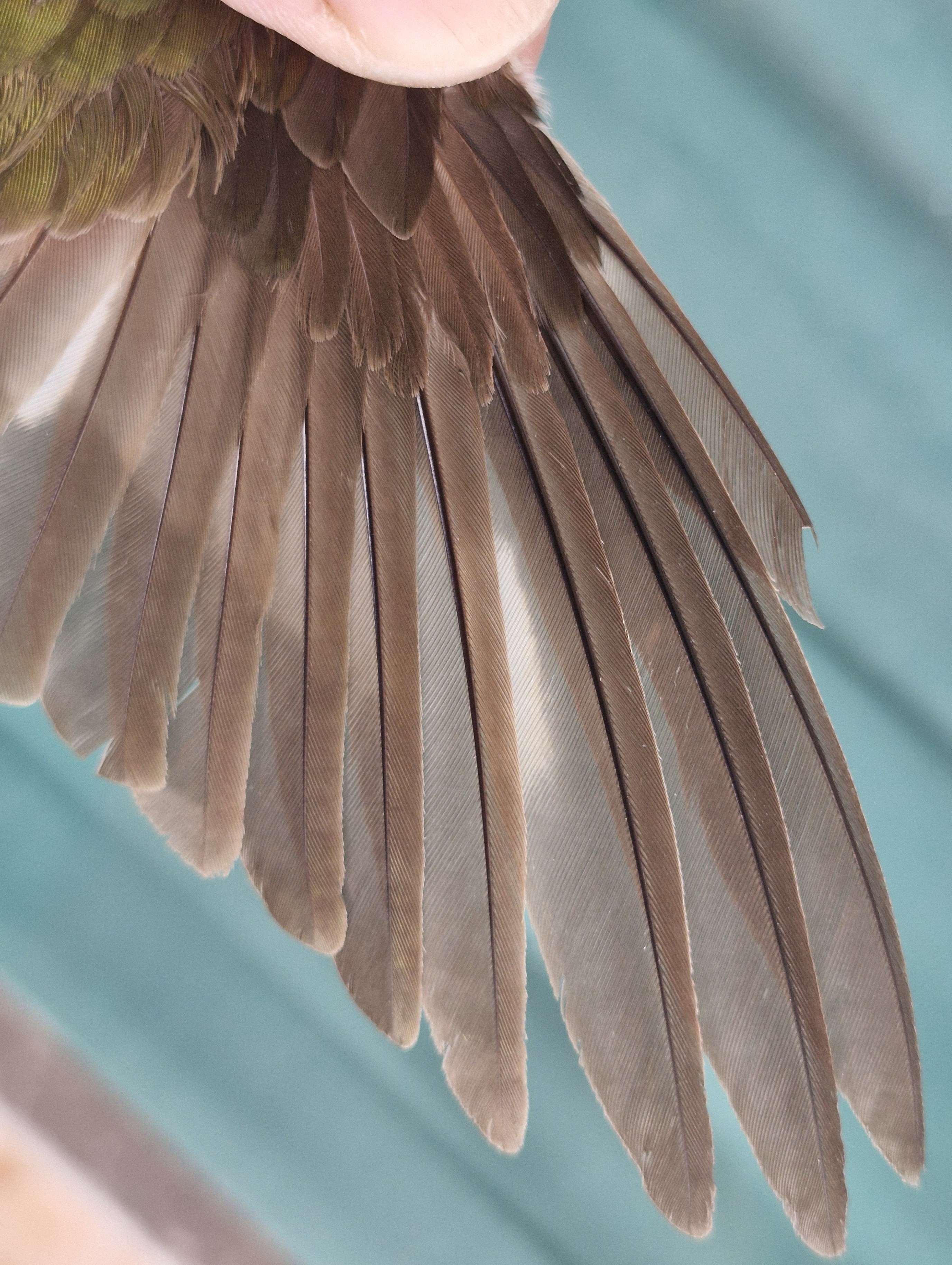
Ventral rufus flashes on rectrix R4
Dorsal rufus flashes on rectrix R4
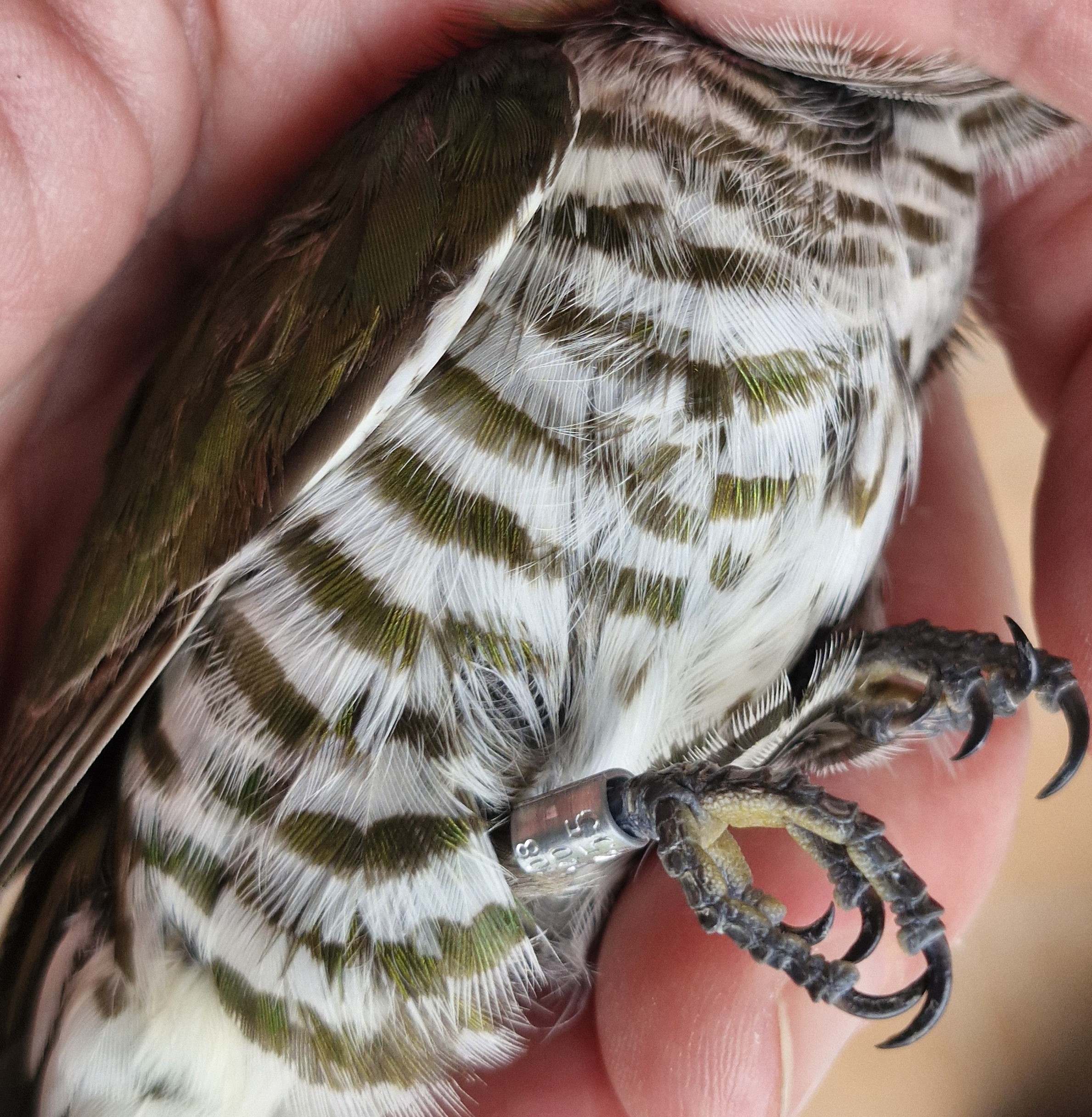
Matt brown under wing coverts
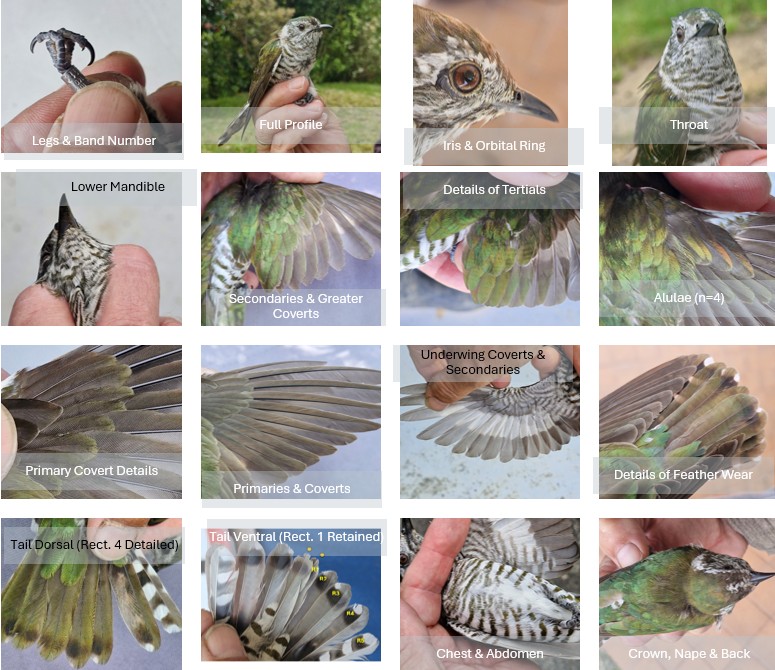
Guide to standard photos for adult birds
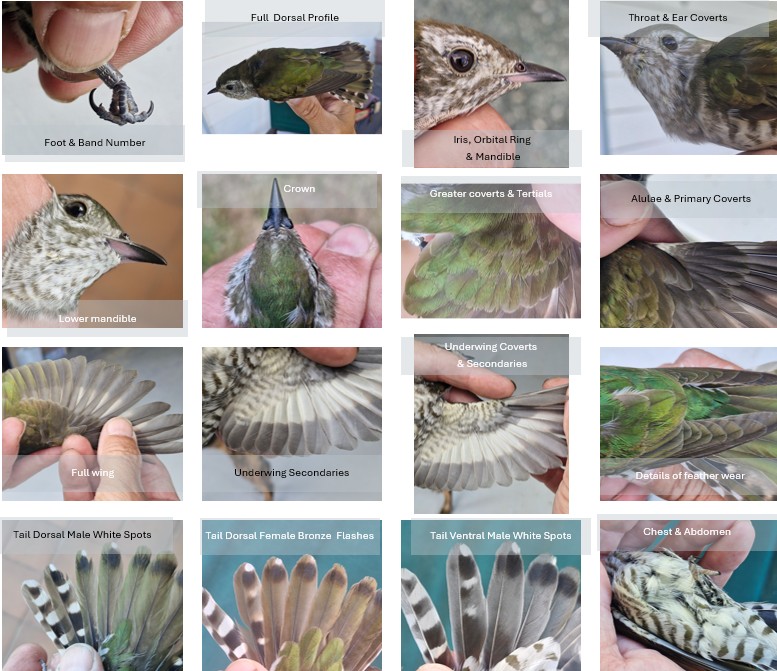
Guide to standard photos for juvenile birds
BP29418 age 1+ male photographed in shade
BP29418 age 1+ male photographed in sunlight showing plumage irridesence
Notes: Light box images with Smallrig LED and 20% grey background following the guidance by
Klaassen et al., 2025
Feather numbers, wing and tail moult sequence
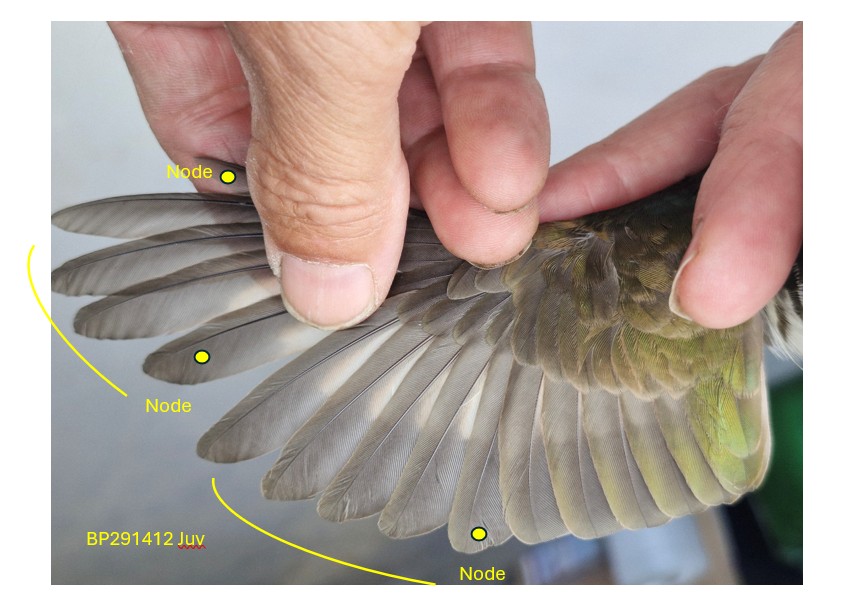
Moult progresses independently from multiple nodes, P1, P6 and P10
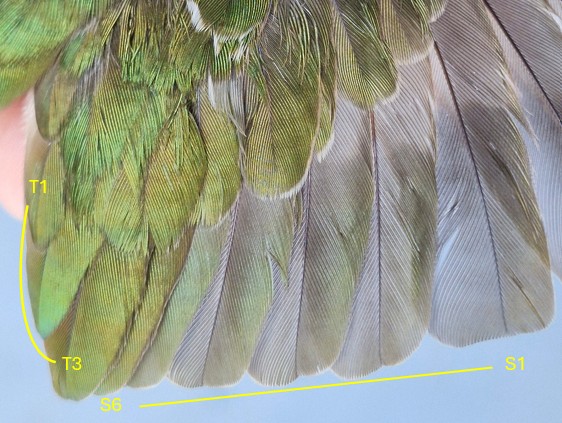
Secondary and tertial feather numbers and moult sequence
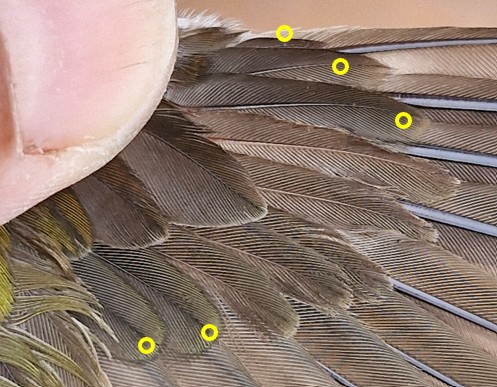
Four alulae feather numbers and moult sequence
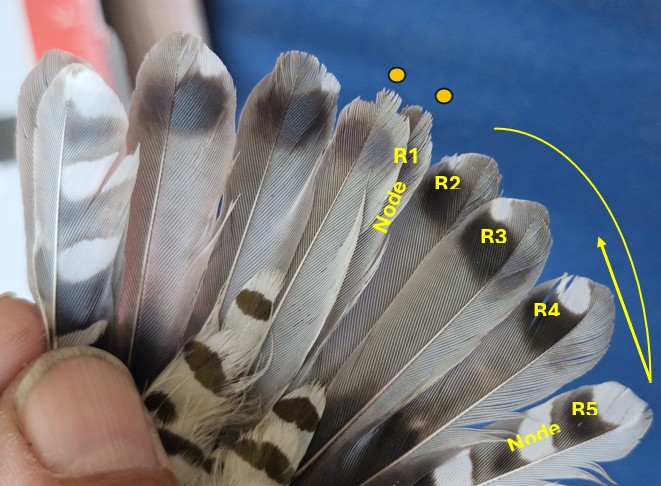
Moult nodes at rectrix 1(inner feather, R1) and rectix 5, moulting inwards to R1
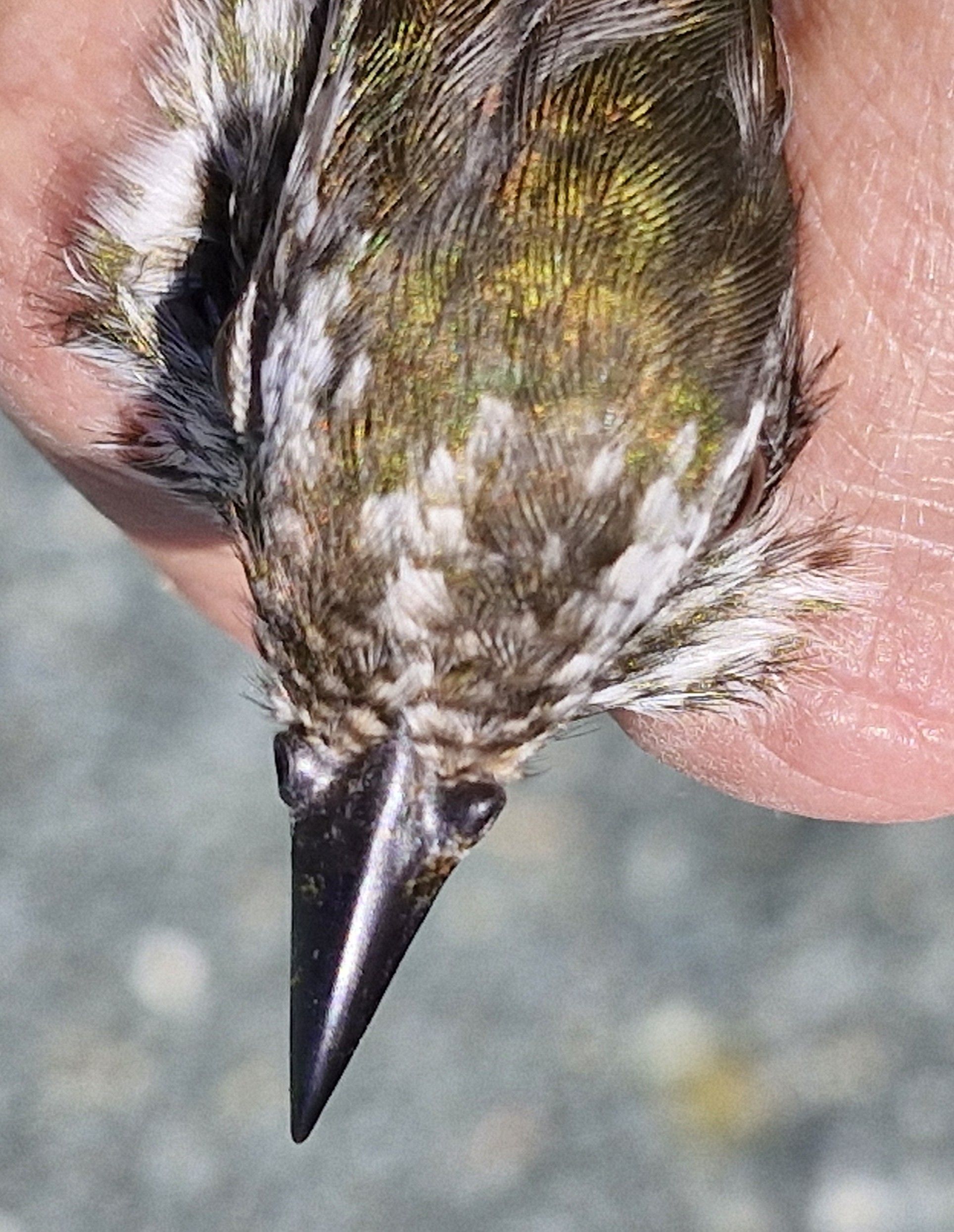
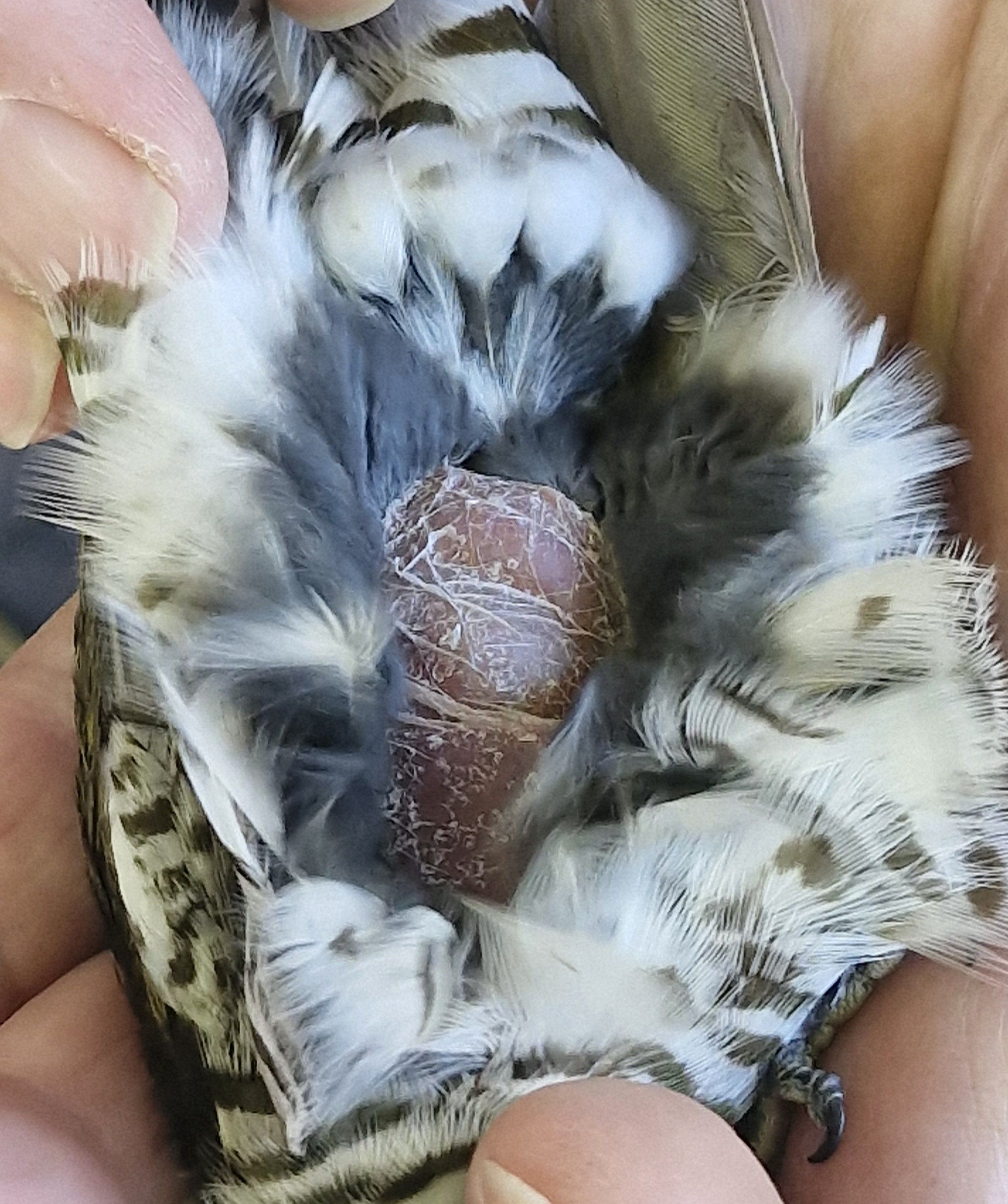
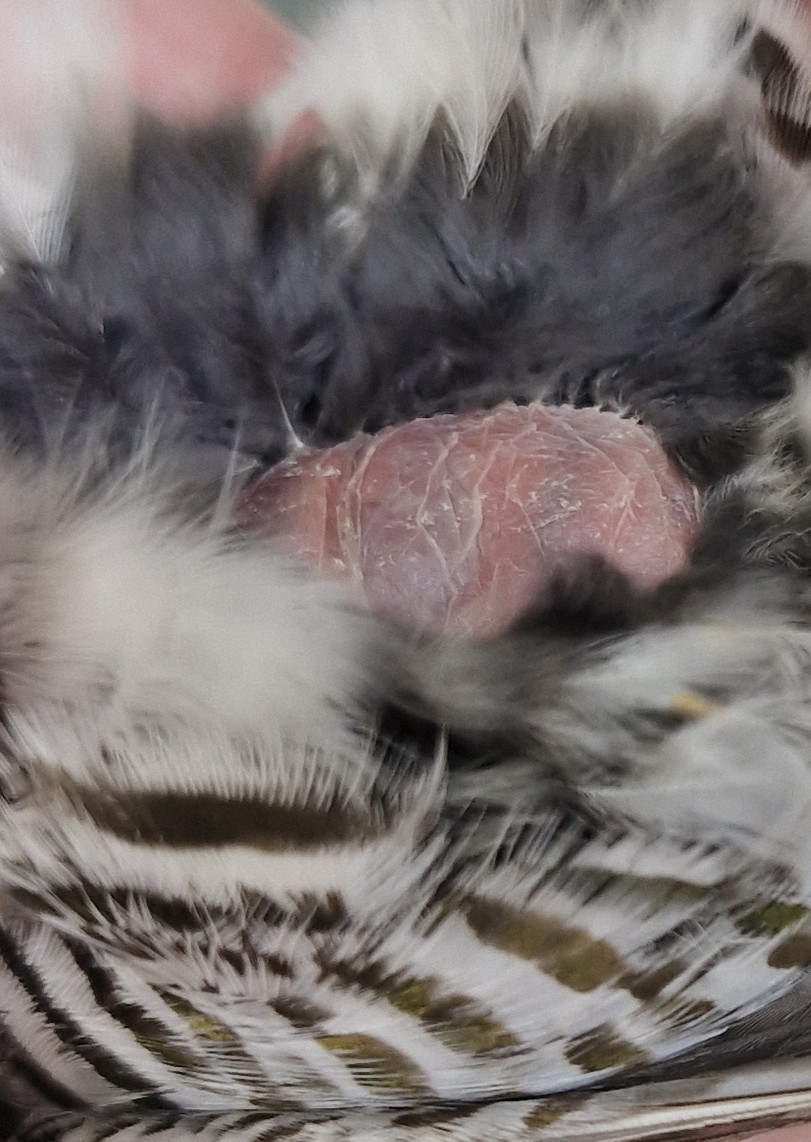
Ventral apteria, refer to the guide on describing a brood patch
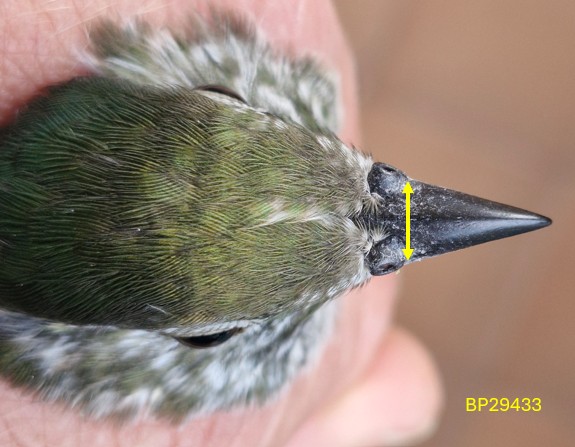
Museums measure bill width from infront of the nostril
Notes: refere to the Shining Cuckoo Project guide for more details on assessing moult and morphometrics for ageing and sexing birds
Examples of moult phenotypes in cuckoos
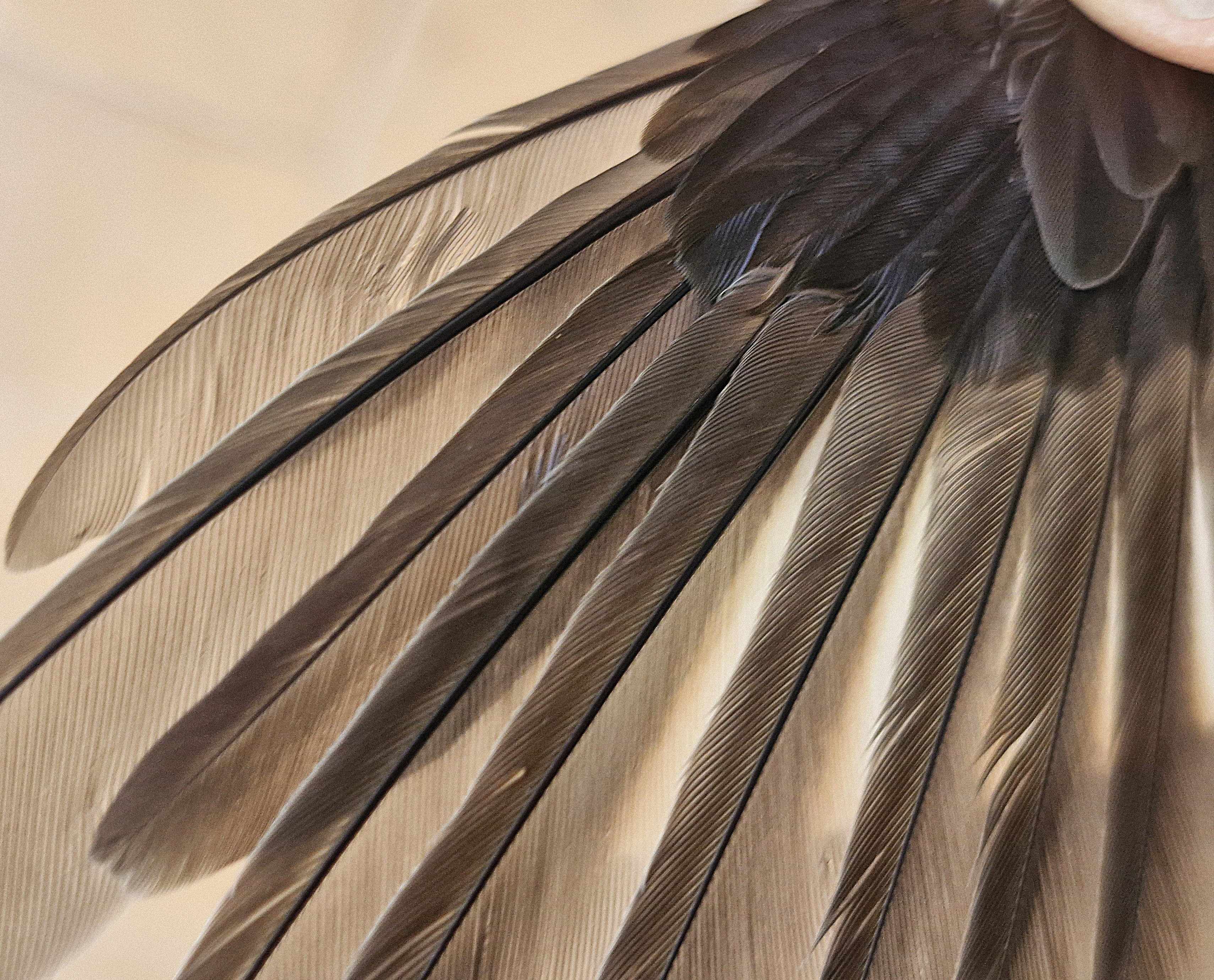
Dark rachis on primaries P6 to P9 indicate recently replaced and suspended moult
Older generation worn primaries visible at P4 and P9 (right) and P4 and P7 (left wing)
Juvenile growing primary P8 only on left wing, adventitious moult
Primary coverts PC3 to PC7 older worn feathers, suspended moult
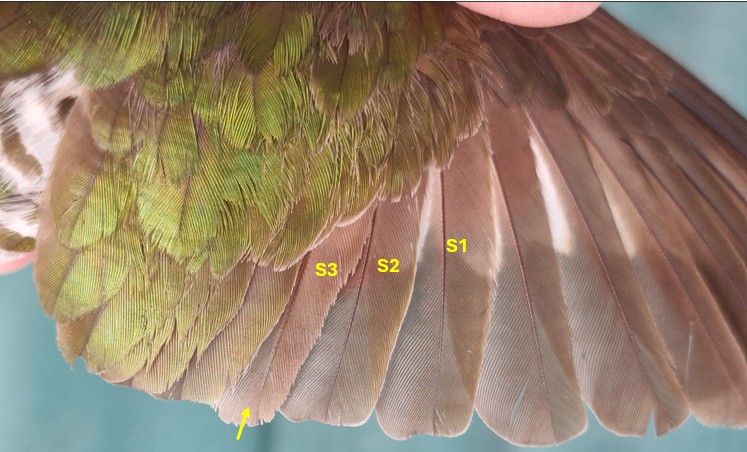
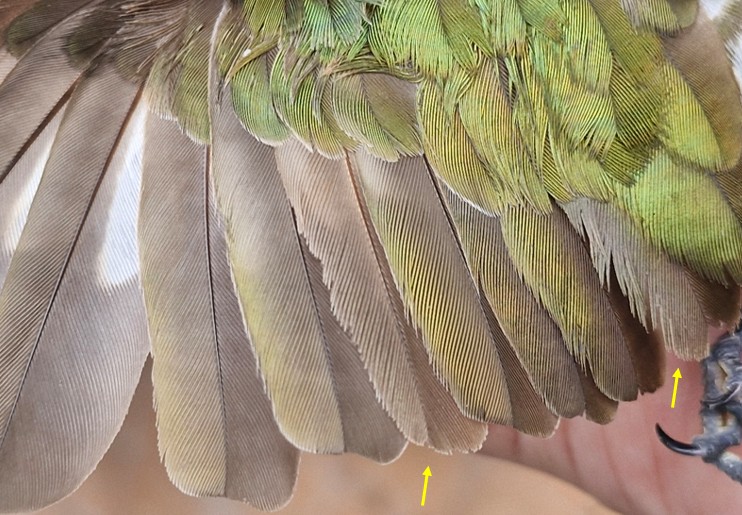
Right wing secondary S3 older worn feather, suspended moult
Left wing secondaries S3 and S6 older worn feathers, suspended moult
Notes: refere to the Shining Cuckoo Project guide for more details on assessing moult and morphometrics for ageing and sexing birds
Feather replacement and moult in rectices
BP29405 age 1+, male with white spots and faint rufus flashes on rectrix R4
BP29437 age 1+, female with white and faint rufus flashes on rectrix R4
BP29401 age 1+ male, no white spots on rectrix R4
BP29452 juvenile female, rufus flashes on rectix R4
Juvenile male, replacing left rectrices R3 to R5
BP29418 age 1+ male, left rectrix R3 old, right R4 damaged
Notes: Care is required to distinguish between adventious feather loss/replacement and moult of rectrices. Feather wear and loss is highly varialble in juvenil and older birds. Outer replacement feathers typically have relatively larger white terminal spots than adjacent feathers
BP29401 Male age 1+, Nelson, October & December 2025
Secondary feather wear, December 2026
S6 retained, October 2026
Dark grey underwing coverts
Well defined terminal white spot outer rectrix
No white spots on rectrix R4
Notes: potentially a second year bird with worn inner and outer secondaries and no defined spots on rectrix 4
BP29458 Juvenile Female, Nelson, January 2026
Juvenile plumage with bronze tinges on the nape
Juvenile dark iris with pale gape and lower mandible
Primary feathers showing wear to tips and leading edges
Extensive wear to secondary feathers
Under wing showing wear to secondaries and dark brown undercoverts
Dorsal view of rectrices with pale rufus flashes to rectrix 4
Notes: potentially an early fledgling with extensive wear to remiges
BP29455 Second Year Female (TBC) with immature characters; dark iris, melanised bill and incomplete (post juvenile) moult, Nelson, January 2026
Juvenile dark iris and with fully melanised bill (3+ months old)
Head and body with brown colouring
Intermediate plumage - well defined chest bars but dappled cheek (juvenile)
Wrinkeld (residual) brood patch but no engorgment
Left wing fresh (darker) primary coverts PC1-2 and PC8-10, juvenile greater covert 1
Right wing fresh (darker) primary coverts PC1-2 and PC8-10
Left wing, primaries P1 and P2 fresh, secondary S3 worn (juvenile)
Right wing, all primaries show wear to tips, P3 and P6 most faded brown (juvenile)
Age 1+ with pale white belly and well defined bars
Dorsal left rectrices, pale rufus flashes to rectrix R4
Ventral right rectrcies, R5 and R4 replaced with larger terminal white spots
Ventral left rectrices with pale rufus flashes to rectrix R4 and rectrix R1 growing in (shorter)
Notes: more study required to confirm the age and plumage characteristics
BP29420 Juvenile/Second Year Female with immature characters, Nelson, December 2025
Juvenile dark iris and with partially melanised lower mandible
Head and body with brown colouring
Chest with defined bars becoming mottled on the cheeks
Consistent wear across greater coverts and secondaries
Simiar feather wear across remiges, primary P8 with the most wear to the tip
Ventral left rectrices with pale rufus flashes to rectrix R4 and rectrix R1 growing in (shorter)
Notes: more study required to confirm the age and plumage characteristics of post juvenile birds
BP29435 Juvenile/Second Year Female with immature characters, Nelson, January 2026
Juvenile dark iris and with fully melanised bill (early fledgling+)
Head and body with brown colouring
Primary coverts with similar feather wear, slight colour fade to outer coverts
Slight feather wear to primary 8 (right) and primary 7 (left- not shown)
Slight feather wear to secondaries S2 and S3
Ventral left rectrices with pale rufus flashes to rectrix R4 and rectrix R1 growing in (shorter)
Notes: more study required to confirm the age and plumage characteristics of post juvenile birds
×
![Enlarged view]()